
Ehime Hidden Gems
Ehime faces the Inland Sea along a long, sunny coastline and grows citrus on nearly every south-facing slope of it — the prefecture leads the country in several varieties, and the terraced groves above Yawatahama are stone-walled and steep enough that growers use monorails to move the crop. Matsuyama, the largest city on Shikoku, has an original castle on a hill in the middle of it, reached by ropeway or a climb, and Dogo Onsen at its foot, which appears in the eighth-century chronicles and is plausibly the oldest hot spring in continuous use in Japan; the 1894 bathhouse building is the one Soseki wrote about. The prefecture also anchors the Shimanami Kaido at Imabari, and the Uwakai coast in the southwest is a ria shoreline of pearl rafts and fish farms with almost no through traffic. Uchiko, inland, kept a merchant street and a working Taisho-era theatre built on the money that Japanese wax once earned there.
11 spots
Climate & Best Season
Mild and sunny on the coast, wetter and cooler in the southern mountains. Good year-round; citrus peaks in winter.
Famous For (Food)
- Mikan and other citrus
- Taimeshi (sea bream rice)
- Jakoten
- Botchan dango
Signature Sights
- Dogo Onsen
- Matsuyama Castle
- Shimanami Kaido
- Uchiko historic street
When to Go
The Inland Sea side is mild and dry — January highs near 10°C, little snow — while the southern mountains are wetter and cooler. Citrus season runs from November through the winter, with different varieties ripening into spring, and roadside stands appear along the coast. Summer is hot above 32°C but the coast gets a breeze. The Shimanami Kaido is best cycled in May or October, when the humidity and the wind are both manageable. Dogo Onsen is pleasant year-round and less crowded on weekday mornings. Matsuyama Castle's cherry blossoms open in late March.
Getting Around
Matsuyama Airport is the quickest way in, about an hour and a half from Haneda. By rail, the Shiokaze limited express runs from Okayama to Matsuyama in about two and a half hours after the Sanyo Shinkansen; there are also ferries from Hiroshima, with the fast boat taking a little over an hour. In the city, trams run to the castle and to Dogo, including a replica steam tram. The Shimanami Kaido starts at Imabari with bicycle rental and one-way returns. The Uwakai coast in the southwest is slow by train and much easier by car, as are the inland gorges at Omogokei.
Local Food
Mikan and its relatives — iyokan, dekopon, setoka — are the prefecture's crop, and the winter roadside stands sell varieties that never reach Tokyo supermarkets. Taimeshi comes in two versions: in Matsuyama the sea bream is cooked whole with the rice, while on the Uwajima coast it is served raw over rice with a soy and egg sauce. Jakoten is small fish ground whole, bones included, and fried into flat cakes, eaten as a snack in Uwajima. Botchan dango, three-coloured skewered dumplings, is a Dogo Onsen fixture named after the novel.
Mitsuhama-yaki
Mitsuhama-yaki is a layered okonomiyaki, close to the Hiroshima style, which arrived because Mitsuhama and Hiroshima wer…
Mitsu Ferry
A boat crosses eighty metres of harbour between Mitsu and Minatoyama in Matsuyama, on demand, from seven in the morning…
Tobe Pottery
Tobe-yaki is Ehime's signature ceramic style, characterized by thick white porcelain hand-painted with indigo-blue botan…

Taimeshi
Taimeshi (鯛めし, 'sea bream rice') is Ehime's signature dish, existing in two completely different regional styles: Matsuy…

Dogo Onsen Honkan
Dogo Onsen Honkan stands three stories tall in dark wood and white plaster, looking like a castle designed for bathing i…

Matsuyama Castle
Matsuyama Castle occupies the 132-meter summit of Mt. Katsuyama in central Matsuyama City, one of only twelve Japanese c…
Ishite-ji Temple
Ishite-ji is Temple #51 of the 88-temple Shikoku Pilgrimage, a large Buddhist complex featuring a towering three-story p…
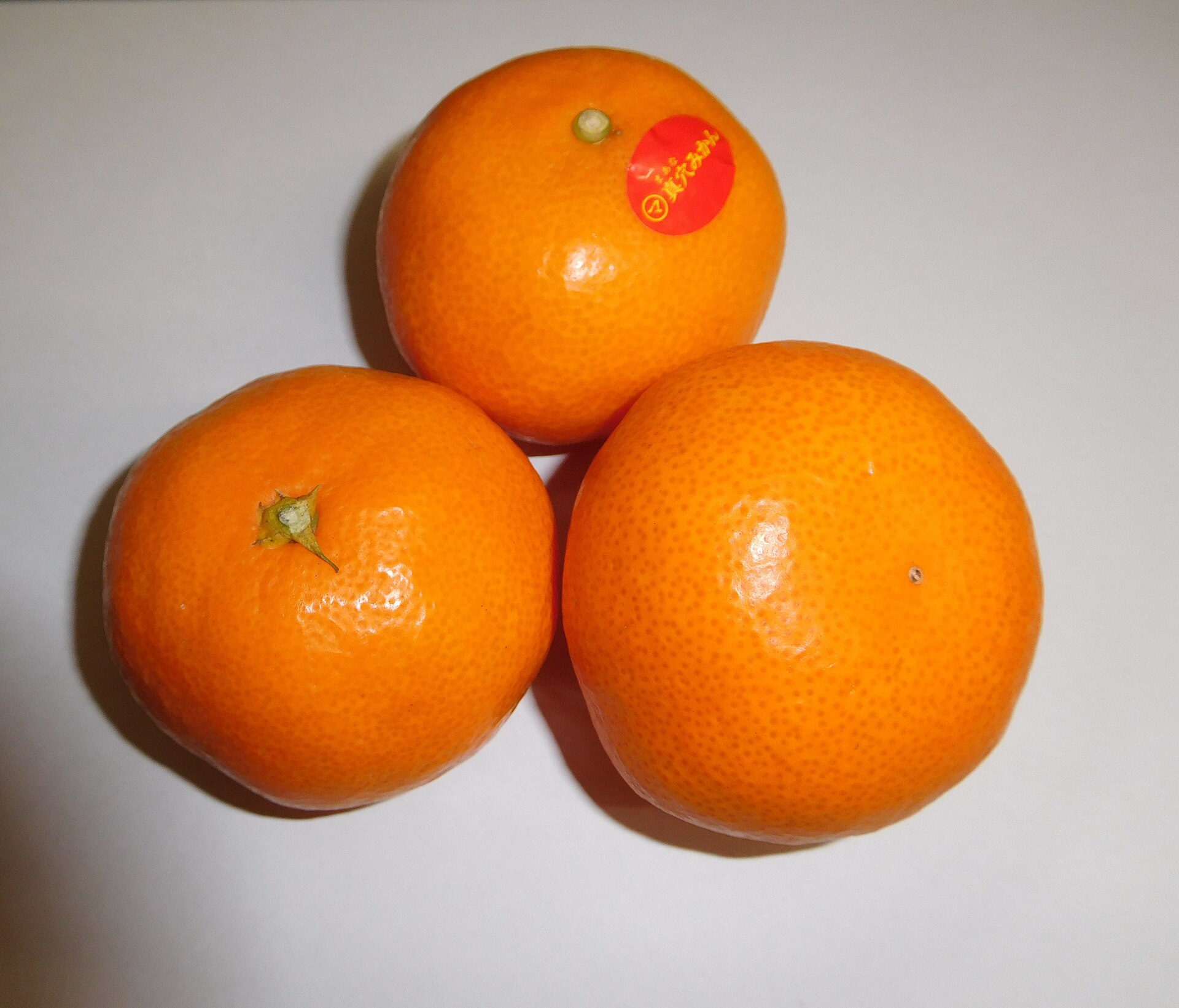
Ehime Mikan
Ehime Prefecture produces 20% of Japan's mikan (mandarin oranges), making citrus the region's defining agricultural prod…
Botchan Ressha
The Botchan Ressha is a restored vintage steam locomotive (actually diesel-powered replica) operating as a tourist tram…
Nanrakuen Garden
Nanrakuen is a traditional Japanese landscape garden built in 1688 for the lord of Matsuyama Domain, featuring seasonal…
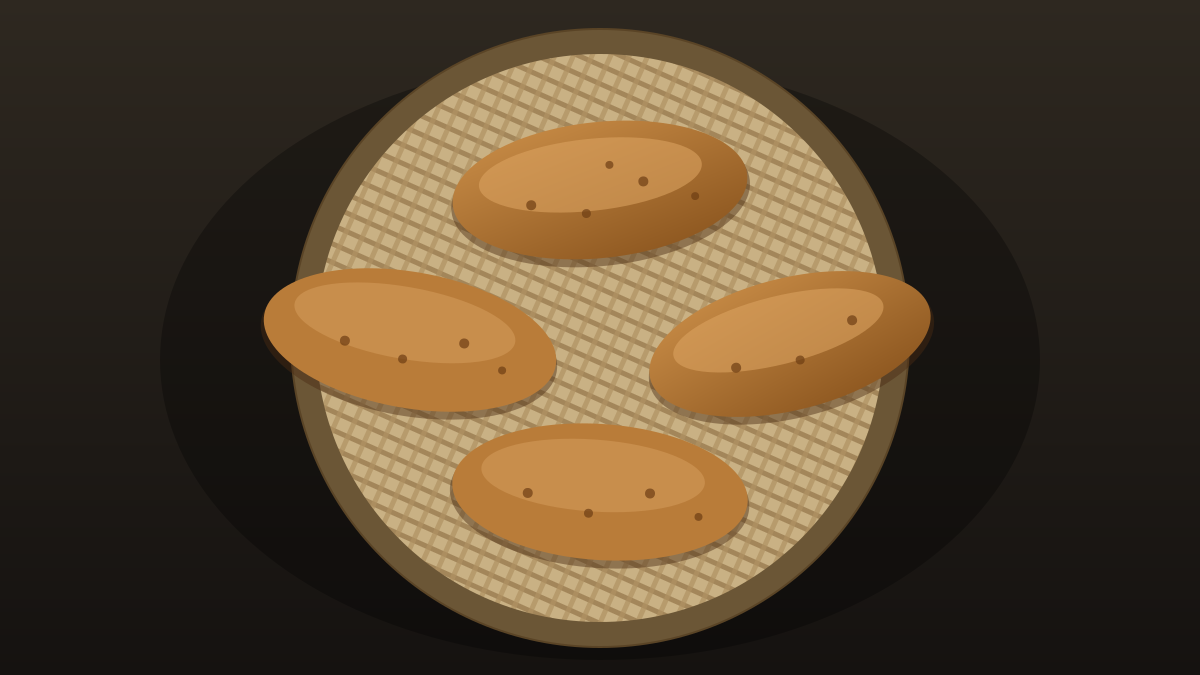 Illustration — not a photograph
Jakoten
Jakoten (じゃこ天) is Ehime's signature fish cake made from small fish (jako — tiny sardines or anchovies) ground whole with…