
Dogo Onsen Honkan
Facts verified: August 2026 · Sources: dogo.jp, ja.wikipedia.org

Photo: lienyuan lee / Wikimedia Commons (CC BY 3.0)
Dogo Onsen Honkan stands three stories tall in dark wood and white plaster, looking like a castle designed for bathing instead of warfare. Completed in 1894 and designated an Important Cultural Property in 1994, it draws on springs that emperors are said to have soaked in. Hayao Miyazaki used this building as his model for Spirited Away's bathhouse — the multi-level structure, the steam rising from roof vents, the worn wooden floors creaking under bathers' feet.
The main bath, Kami-no-yu ('water of the gods'), fills granite tubs with alkaline spring water that leaves your skin slick and smooth. Entry costs ¥700 for ground-floor communal bathing. The Rei-no-yu courses cost more and add a rest room upstairs, a yukata robe, and tea served on tatami while you cool down. The building went through preservation and earthquake-reinforcement work from January 2019 and returned to full operation in July 2024, with its original character intact — same wooden architecture, same spring water, same steam clouds drifting across the roof.
The bathhouse sits at the center of Dogoyunomachi, a hot spring district that has grown up around it over more than a century, and the two are hard to separate: the covered shopping street leading to the entrance, the ryokan with their own smaller baths fed by the same springs, the public foot bath where you can soak your feet for free while waiting for a table. A wooden drum tower on the roof has sounded the hours since the building opened, a detail that gives the whole neighborhood a rhythm most modern onsen towns lack. Visitors tend to arrive expecting a museum piece and leave having used it exactly as intended — as a working bathhouse that happens to be well over a century old, still run by the same logic of communal soaking, tea afterward, and a slow walk home in a yukata.
Essential Information
Opening Hours
6:00 AM – 11:00 PM (Kami-no-yu ground-floor bath) | 6:00 AM – 10:00 PM (other courses)
Closed: Open daily except the annual maintenance closure in late February. Check Dogo Onsen official website for exact closure dates.
Entrance Fee
¥700 adults / ¥350 children (Kami-no-yu ground-floor bath) | ¥2,000 / ¥1,000 (Rei-no-yu with 2nd-floor seating) | ¥2,500 / ¥1,250 (Rei-no-yu with 3rd-floor private room)
Best Season
Year-round. Autumn and winter are less crowded than summer tourist season. The 1894 exterior is especially photogenic in early morning mist.
Visit Duration
Basic bath: 30–45 minutes. Premium Yushinden course: 60–90 minutes. Allow additional 30 minutes for the Dogo Haikara Street shops after bathing.
Getting There
Access Information
Detailed Access & Timing
Nearest Station
Dogo Onsen Station (Matsuyama City Tram Line 5), 5-minute walk to the bathhouse. Tram from Matsuyama City Station: 20 minutes.
Travel Time
From Matsuyama Station: tram Line 5 to Dogo Onsen (20 min, ¥180). From Tokyo: fly to Matsuyama Airport (75 min) then airport bus to Matsuyama (15 min) then tram. From Osaka: Shinkansen to Okayama then limited express Shiokaze (2.5 hrs).
How to Get There
Matsuyama City Tram Line 5 from Matsuyama City Station or JR Matsuyama Station. Taxi from Matsuyama Station ¥900–1,200. Bus from Matsuyama Airport to city center then tram.
Best Time to Visit
6:00–8:00 for the pre-crowd morning experience alongside locals. Or 21:00–22:30 for the quiet late-evening atmosphere when day tourists have departed.
Crowd Avoidance Tips
Weekends and summer holidays (July–August) are the busiest — 30+ minute queues in the afternoon. The premium Yushinden course requires advance purchase and significantly reduces wait time.
Parking Information
No dedicated parking at the bathhouse. Use Dogo Park nearby parking (¥150/30 min) or walk from tram stop — driving to Dogo Onsen is not recommended due to narrow streets and limited parking.
Insider Guide
Book Your Stay Nearby
Find accommodation close to Dogo Onsen Honkan on these trusted booking platforms:
Nearby Spots
The closest hidden gems to Dogo Onsen Honkan, by straight-line distance.
Ishite-ji Temple
Ishite-ji is Temple #51 of the 88-temple Shikoku Pilgrimage, a large Buddhist complex featuring a towering three-story p…

Matsuyama Castle
Matsuyama Castle occupies the 132-meter summit of Mt. Katsuyama in central Matsuyama City, one of only twelve Japanese c…
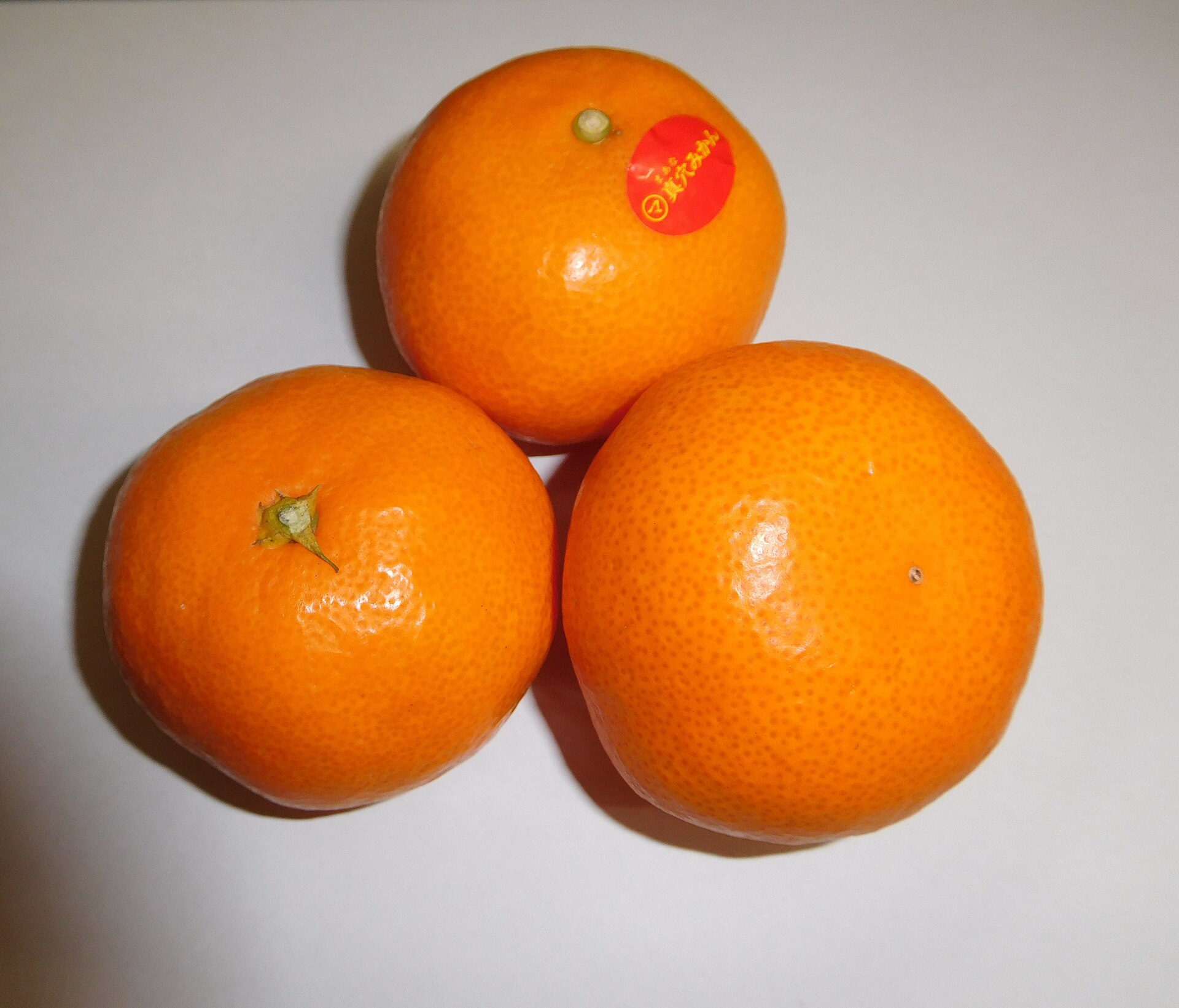
Ehime Mikan
Ehime Prefecture produces 20% of Japan's mikan (mandarin oranges), making citrus the region's defining agricultural prod…
Botchan Ressha
The Botchan Ressha is a restored vintage steam locomotive (actually diesel-powered replica) operating as a tourist tram…

Taimeshi
Taimeshi (鯛めし, 'sea bream rice') is Ehime's signature dish, existing in two completely different regional styles: Matsuy…
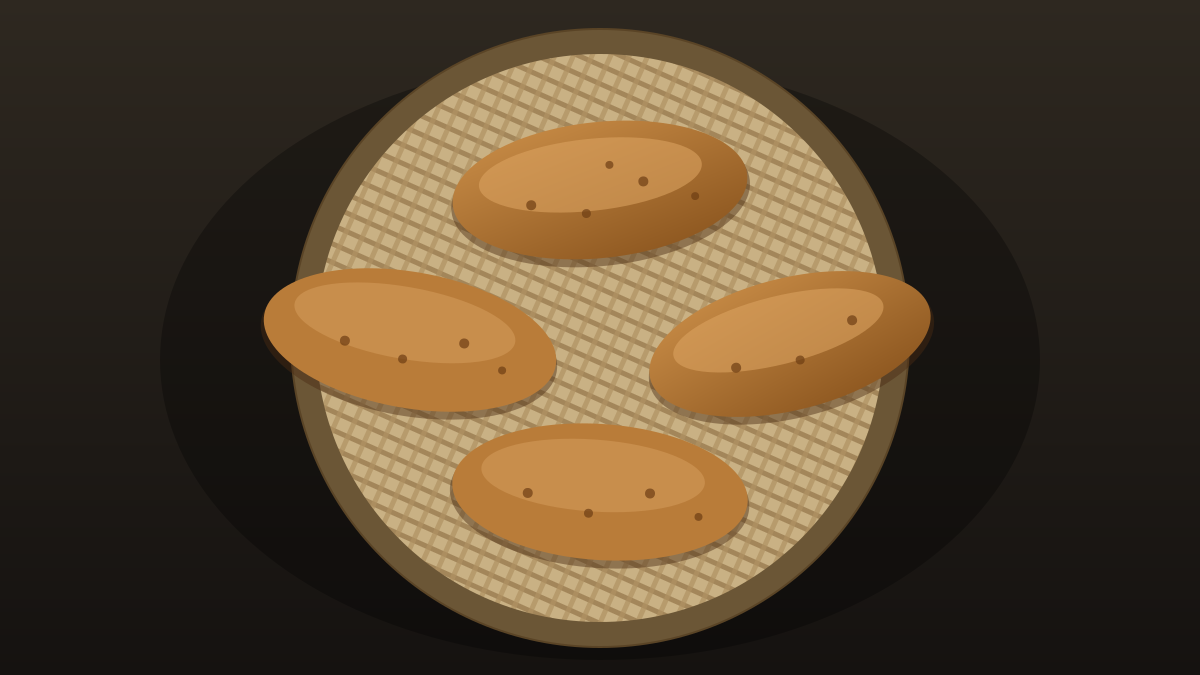 Illustration — not a photograph
Jakoten
Jakoten (じゃこ天) is Ehime's signature fish cake made from small fish (jako — tiny sardines or anchovies) ground whole with…
More in Ehime
Imabari Towels
Imabari produces approximately 60% of Japan's towels, a textile industry dating to 1894 when the region's soft water (fr…
Garyu Sanso Villa
Garyu Sanso is a refined villa and tea house built in 1907 by a wealthy merchant, perched on a cliff overlooking the Hij…
Mount Ishizuchi
Mount Ishizuchi (石鎚山, 1,982m) is the highest peak in western Japan and one of Japan's seven sacred mountains, a Shugendo…