
Ehime Hidden Gems
Ehime faces the Inland Sea along a long, sunny coastline and grows citrus on nearly every south-facing slope of it — the prefecture leads the country in several varieties, and the terraced groves above Yawatahama are stone-walled and steep enough that growers use monorails to move the crop. Matsuyama, the largest city on Shikoku, has an original castle on a hill in the middle of it, reached by ropeway or a climb, and Dogo Onsen at its foot, which appears in the eighth-century chronicles and is plausibly the oldest hot spring in continuous use in Japan; the 1894 bathhouse building is the one Soseki wrote about. The prefecture also anchors the Shimanami Kaido at Imabari, and the Uwakai coast in the southwest is a ria shoreline of pearl rafts and fish farms with almost no through traffic. Uchiko, inland, kept a merchant street and a working Taisho-era theatre built on the money that Japanese wax once earned there.
37 spots
Climate & Best Season
Mild and sunny on the coast, wetter and cooler in the southern mountains. Good year-round; citrus peaks in winter.
Famous For (Food)
- Mikan and other citrus
- Taimeshi (sea bream rice)
- Jakoten
- Botchan dango
Signature Sights
- Dogo Onsen
- Matsuyama Castle
- Shimanami Kaido
- Uchiko historic street
When to Go
The Inland Sea side is mild and dry — January highs near 10°C, little snow — while the southern mountains are wetter and cooler. Citrus season runs from November through the winter, with different varieties ripening into spring, and roadside stands appear along the coast. Summer is hot above 32°C but the coast gets a breeze. The Shimanami Kaido is best cycled in May or October, when the humidity and the wind are both manageable. Dogo Onsen is pleasant year-round and less crowded on weekday mornings. Matsuyama Castle's cherry blossoms open in late March.
Getting Around
Matsuyama Airport is the quickest way in, about an hour and a half from Haneda. By rail, the Shiokaze limited express runs from Okayama to Matsuyama in about two and a half hours after the Sanyo Shinkansen; there are also ferries from Hiroshima, with the fast boat taking a little over an hour. In the city, trams run to the castle and to Dogo, including a replica steam tram. The Shimanami Kaido starts at Imabari with bicycle rental and one-way returns. The Uwakai coast in the southwest is slow by train and much easier by car, as are the inland gorges at Omogokei.
Local Food
Mikan and its relatives — iyokan, dekopon, setoka — are the prefecture's crop, and the winter roadside stands sell varieties that never reach Tokyo supermarkets. Taimeshi comes in two versions: in Matsuyama the sea bream is cooked whole with the rice, while on the Uwajima coast it is served raw over rice with a soy and egg sauce. Jakoten is small fish ground whole, bones included, and fried into flat cakes, eaten as a snack in Uwajima. Botchan dango, three-coloured skewered dumplings, is a Dogo Onsen fixture named after the novel.
Tonaru
Besshi was worked for copper from 1691 to 1973, for two hundred and eighty-two years, and it built the Sumitomo group. T…
Iwayaji
Iwayaji is the forty-fifth station of the Shikoku pilgrimage and one of the hardest — the walk up from the road is twent…
Oyamazumi Shrine
Oyamazumi is the head shrine of some ten thousand Mishima and Yamazumi shrines and the deity is the god of mountains, se…
Nametoko Gorge
Nametoko is a granite gorge in the Ashizuri-Uwakai National Park where the river runs over continuous sheets of smooth r…
Futami Seaside Park
The Futami coast faces due west across the Iyo-nada, and the town built a park around that single fact. There is a 380-m…
Omogo Gorge
Omogo is the gorge at the foot of Mt. Ishizuchi, the highest mountain in western Japan, cut into granite so that the riv…
Ohanahan Street
Ozu was a castle town on the Hiji river and kept its Edo street plan, and Ohanahan-dori is the best-preserved lane in it…
Kamihaga Residence
Uchiko's money came from mokuro — Japan wax, pressed from the berries of the haze tree and used for candles, hair oil, p…

Yawatahama Champon
Champon travelled from Nagasaki through Kurume to Hita in Oita, and then across the Bungo channel by ferry to Yawatahama…

Kirinomori Daifuku
Shingu, in the mountains of Shikokuchuo, grows tea without agricultural chemicals, and the daifuku made from it has beco…
Mitsuhama-yaki
Mitsuhama-yaki is a layered okonomiyaki, close to the Hiroshima style, which arrived because Mitsuhama and Hiroshima wer…
Yusu Mizugaura Terraced Fields
The Uwajima coast is a drowned ria shoreline — steep hills dropping straight into deep water, with almost no flat land.…
Mitsu Ferry
A boat crosses eighty metres of harbour between Mitsu and Minatoyama in Matsuyama, on demand, from seven in the morning…
Shimonada Station
A single unstaffed platform on the Yosan Line with a wooden bench, a corrugated shelter, and the Iyo-nada sea directly b…
Kirosan Observatory Park
Kirosan is a 301-metre hill at the southern tip of Oshima, looking down on the Kurushima Strait — one of the three faste…
Uchikoza
Uchikoza was built in 1916 by eighteen local businessmen who had made money from wax and wanted somewhere to watch kabuk…
Kurushima Strait Tidal Cruise
The Kurushima Strait is one of the three fastest tidal channels in Japan, alongside Naruto and Kanmon, and the current t…
Uchiko Town
Uchiko's merchants made fortunes in the 18th and 19th centuries by harvesting waxy berries from haze trees, crushing the…
Ozu Castle Town
Ozu is a well-preserved castle town along the Hijikawa River, featuring Edo-period merchant houses, samurai residences,…
Bessho Onsen (Ehime)
Bessho Onsen is a secluded hot spring resort nestled in the mountains near Mt. Ishizuchi, known for its milky-white sulf…
Shimanami Kaido (Imabari side)
The Shimanami Kaido runs 70 kilometers from Honshu to Shikoku, crossing the Seto Inland Sea by hopping six islands conne…
Mount Ishizuchi
Mount Ishizuchi (石鎚山, 1,982m) is the highest peak in western Japan and one of Japan's seven sacred mountains, a Shugendo…
Sada Misaki Peninsula
Sada Misaki is a narrow peninsula extending 40km into the Bungo Channel, forming Shikoku's westernmost point. The dramat…
Tobe Pottery
Tobe-yaki is Ehime's signature ceramic style, characterized by thick white porcelain hand-painted with indigo-blue botan…
Imabari Towels
Imabari produces approximately 60% of Japan's towels, a textile industry dating to 1894 when the region's soft water (fr…

Omishima Island
Omishima is the largest island on the Shimanami Kaido cycling route, home to Oyamazumi Shrine which houses Japan's most…

Taimeshi
Taimeshi (鯛めし, 'sea bream rice') is Ehime's signature dish, existing in two completely different regional styles: Matsuy…

Dogo Onsen Honkan
Dogo Onsen Honkan stands three stories tall in dark wood and white plaster, looking like a castle designed for bathing i…
Uwajima Castle
Uwajima Castle is one of only twelve Japanese castles retaining an original Edo-period tenshu (main keep), built in 1666…
Uwajima Bull Fighting
Uwajima is one of the few places in Japan where traditional togyu (bull sumo) continues — two bulls weighing 700–1,000kg…

Matsuyama Castle
Matsuyama Castle occupies the 132-meter summit of Mt. Katsuyama in central Matsuyama City, one of only twelve Japanese c…
Ishite-ji Temple
Ishite-ji is Temple #51 of the 88-temple Shikoku Pilgrimage, a large Buddhist complex featuring a towering three-story p…
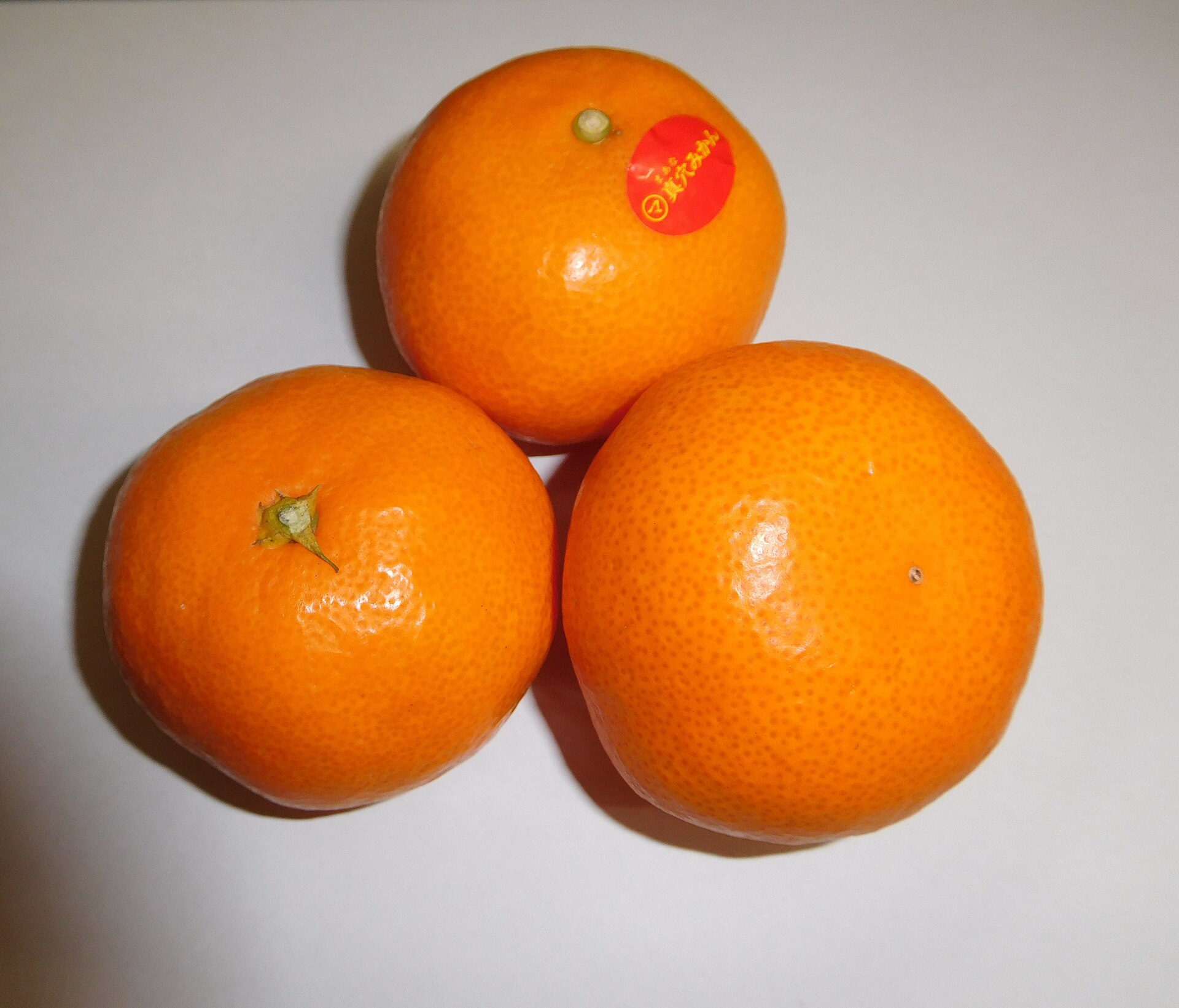
Ehime Mikan
Ehime Prefecture produces 20% of Japan's mikan (mandarin oranges), making citrus the region's defining agricultural prod…
Botchan Ressha
The Botchan Ressha is a restored vintage steam locomotive (actually diesel-powered replica) operating as a tourist tram…
Nanrakuen Garden
Nanrakuen is a traditional Japanese landscape garden built in 1688 for the lord of Matsuyama Domain, featuring seasonal…
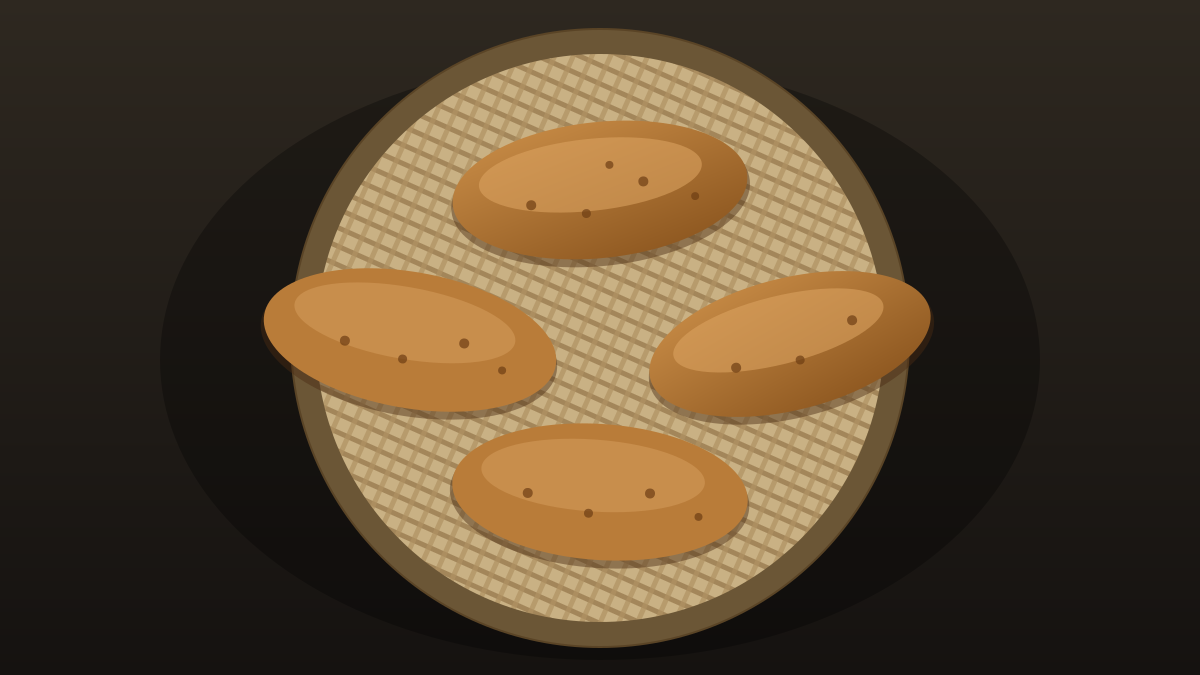 Illustration — not a photograph
Jakoten
Jakoten (じゃこ天) is Ehime's signature fish cake made from small fish (jako — tiny sardines or anchovies) ground whole with…
Garyu Sanso Villa
Garyu Sanso is a refined villa and tea house built in 1907 by a wealthy merchant, perched on a cliff overlooking the Hij…