
Kinosaki Winter Crab Kaiseki
Hyogo · Kinosaki Onsen
35.6262°N, 134.8083°E
The kaiseki arrives at 18:30 in your tatami room, carried by a staff member who kneels to arrange thirteen dishes across the low table. In the center: a whole Matsuba crab, still warm from steaming, its shell turned orange-red and measuring 18cm across the carapace. This is a male snow crab hauled from 200-meter depths off the Tottori coast yesterday afternoon, sold at Shibayama Harbor auction this morning for ¥9,000, now prepared eight different ways over the next two hours.
You start with the sashimi—raw crab leg meat sliced so thin it's translucent, arranged on shaved ice like white petals. The texture is fibrous but collapses instantly, tasting like cold seawater with a faint sweetness that lingers on your back molars. Next comes grilled legs over binchotan charcoal, the meat contracting and turning opaque, the flavor concentrating into something almost nutty. Then shabu-shabu: you swish paper-thin crab slices in kombu dashi for exactly four seconds until they curl and turn from clear to milky white.
The kani-miso arrives in the shell—a rust-orange paste of crab organs and roe that tastes like the ocean concentrated into butter. Half the diners at the ryokan scrape it eagerly onto rice; the other half leave it untouched. It's intensely briny, almost metallic, with a creamy texture that coats your tongue. The meal ends with zosui: the leftover shabu-shabu broth simmered with rice, egg, and scallions until it thickens into porridge. You've spent ¥38,000 on this crab plan, and by the final spoonful, you've eaten every extractable gram of that crustacean except the shell.
Essential Information
Opening Hours
Ryokan check-in: 3:00–5:00 PM | Kaiseki dinner: 6:30–9:00 PM | Day-visit restaurants: 11:30 AM – 2:00 PM, 5:30–9:00 PM
Closed: Crab season: November 6–March 20 only | Ryokan: open year-round (non-crab kaiseki off-season) | Individual restaurant days vary
Entrance Fee
Ryokan overnight crab plan: ¥25,000–60,000/person (room + crab kaiseki + breakfast + onsen) | Day-visit restaurant kaiseki: ¥14,000–18,000
Best Season
November–March (crab season) | December–January for peak crab quality (largest crabs, fullest miso) | February also ideal with onsen in cold weather
Visit Duration
2.5 hours (restaurant kaiseki) | 1 night (full ryokan experience with evening baths and breakfast)
Getting There
Access Information
Detailed Access & Timing
Nearest Station
Kinosaki-Onsen Station (JR Kinosaki Main Line) — most ryokan within 10-min walk | Some ryokan offer shuttle from station
Travel Time
From Osaka: JR Limited Express Kounotori direct to Kinosaki-Onsen (2.5 hrs, ¥5,820) | From Kyoto: JR Limited Express Kinosaki (2.5 hrs) | From Tottori: 1 hr by car
How to Get There
Train: JR Limited Express Kounotori from Osaka Umeda/Shin-Osaka to Kinosaki-Onsen Station (2.5 hrs, ¥5,820 reserved). Most ryokan within walking distance of station. Car: Maizuru-Wakasa Expressway to Toyooka IC (from Osaka 2 hrs). Free ryokan parking. Highway Bus: Willer Express from Osaka to Kinosaki (¥3,500, 3 hrs, limited departures).
Best Time to Visit
Arrive by 3:00 PM for ryokan check-in and early onsen bath (5:00–6:30 PM) before dinner service. Book September–October for November–January dates. Green-tag (premium) crabs require booking at top ryokan.
Crowd Avoidance Tips
Opening weekend (November 6–7) is crowded and festive but prices spike. Mid-November and January weekdays offer best value with still-excellent crabs. February sees lighter demand than December despite similar quality crabs.
Parking Information
Most ryokan: free parking for guests. Town center: limited street parking but not needed with ryokan stay. Day-visit restaurants near station have no dedicated parking — use the town pay lots (¥300/hour).
Insider Guide
Book Your Stay Nearby
Find accommodation close to Kinosaki Winter Crab Kaiseki on these trusted booking platforms:
Nearby Spots
The closest hidden gems to Kinosaki Winter Crab Kaiseki, by straight-line distance.

Kinosaki Onsen
Kinosaki Onsen (城崎温泉) is a traditional hot spring town famous for its seven public bathhouses (外湯, sotoyu) — each with d…
Kinosaki Onsen Town Stroll
Beyond the seven public baths, Kinosaki's charm lies in its walkable Edo-period streetscape — a 1.2km promenade along th…

Amanohashidate
Amanohashidate (天橋立, 'Bridge to Heaven') is a 3.6km pine-covered sandbar stretching across Miyazu Bay, ranked as one of…
Ametaki Falls
Forty metres of water off a lip of columnar basalt into a pool surrounded by beech and zelkova, at the foot of Mt. Ogino…
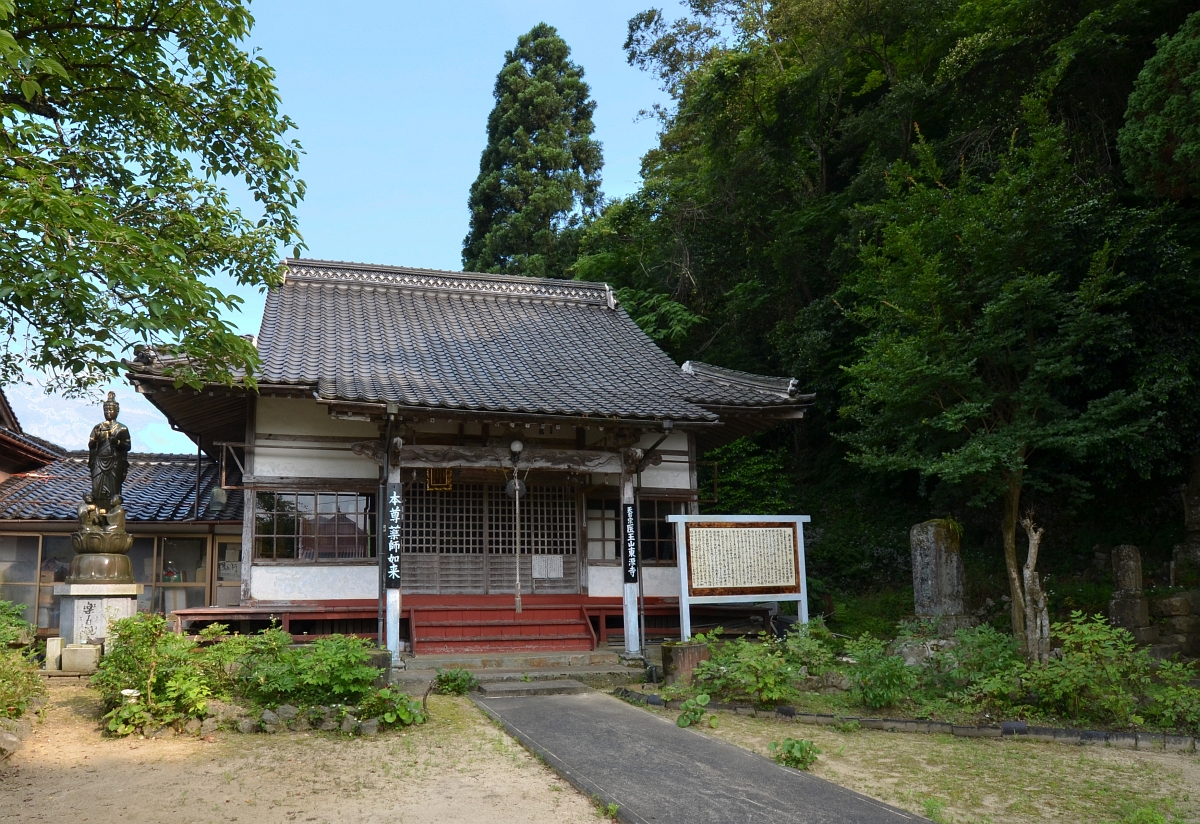
Iwai Onsen
Iwai is among the oldest hot springs in the San'in region, with about thirteen hundred years of recorded use, and it has…
Uradome Coast
The Uradome Coast stretches 15 kilometers of jagged volcanic cliffs, sea caves, and white-sand coves along the San'in Ka…
More in Hyogo

Kitano Ijinkan
Kitano Ijinkan (北野異人館) is a hillside district of European-style mansions built in the 1880s–1900s for Western merchants,…

Kobe Beef Teppanyaki
Walking into Mouriya's fourth-floor dining room, you hear the sizzle before you see it. The chef slides a 120g cut of ri…
Kobe Chinatown (Nankinmachi)
Nankinmachi (南京町) is Kobe's Chinatown, a compact 200-meter square district packed with 100+ Chinese restaurants, street…