
Kinosaki Onsen Town Stroll
Hyogo · Kinosaki Onsen
35.6262°N, 134.8083°E
Beyond the seven public baths, Kinosaki's charm lies in its walkable Edo-period streetscape — a 1.2km promenade along the Otani River lined with weeping willows, stone bridges, traditional three-story ryokan, and yukata-clad visitors. The town preserves old-fashioned onsen resort atmosphere: wooden architecture, latticed windows, lanterns lighting footpaths, and the sound of geta clacking on stone pavement.
The riverside walk connects all seven public baths, with detours to cafes, souvenir shops, and small shrines. Evening (18:00–21:00) is most atmospheric when guests leave their ryokan for bath-hopping — the streets fill with yukata-clad people carrying towels and wooden bath buckets, creating a procession of traditional Japanese resort culture. Even non-ryokan guests can rent yukata (¥3,000/day) to participate.
Essential Information
Opening Hours
Street: open 24/7 | Cafes and shops: 10:00 AM – 6:00 PM | Most atmospheric: 6:00–9:00 PM
Closed: Open year-round
Entrance Fee
Free | Yukata rental: ¥3,000/day (includes accessories)
Best Season
November–March (winter crab season) | Year-round for town stroll
Visit Duration
1–2 hours (town stroll) | Half-day (with bath-hopping)
Getting There
Access Information
Insider Guide
Nearby Spots
The closest hidden gems to Kinosaki Onsen Town Stroll, by straight-line distance.

Kinosaki Onsen
Kinosaki Onsen (城崎温泉) is a traditional hot spring town famous for its seven public bathhouses (外湯, sotoyu) — each with d…
Kinosaki Winter Crab Kaiseki
The kaiseki arrives at 18:30 in your tatami room, carried by a staff member who kneels to arrange thirteen dishes across…

Amanohashidate
Amanohashidate (天橋立, 'Bridge to Heaven') is a 3.6km pine-covered sandbar stretching across Miyazu Bay, ranked as one of…
Ametaki Falls
Forty metres of water off a lip of columnar basalt into a pool surrounded by beech and zelkova, at the foot of Mt. Ogino…
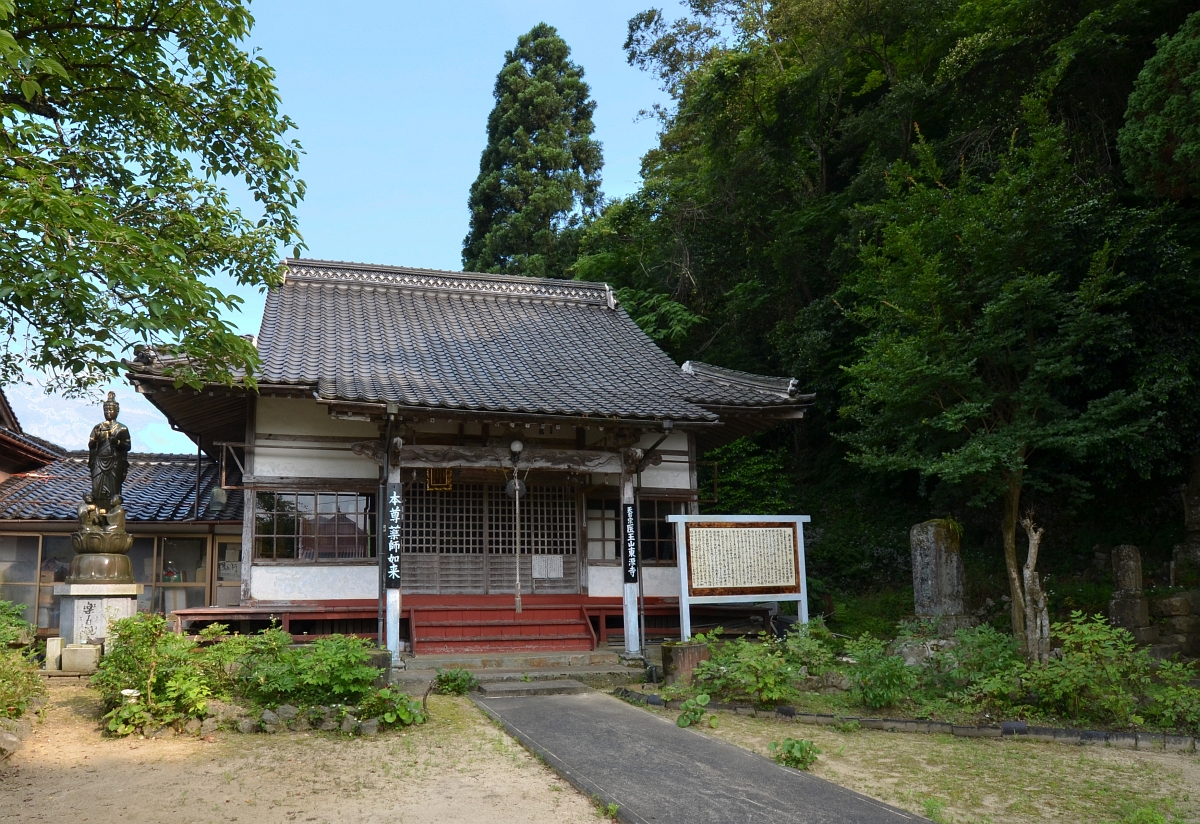
Iwai Onsen
Iwai is among the oldest hot springs in the San'in region, with about thirteen hundred years of recorded use, and it has…
Uradome Coast
The Uradome Coast stretches 15 kilometers of jagged volcanic cliffs, sea caves, and white-sand coves along the San'in Ka…
More in Hyogo

Akashi Kaikyo Bridge
The Akashi Kaikyo Bridge (明石海峡大橋) spans 3,911 meters across the Akashi Strait, holding the world record for longest cent…
Akashi Fish Market & Octopus Takoyaki
Akashi (明石) sits on the Akashi Strait where strong tidal currents create nutrient-rich waters, producing some of Japan's…
Shoshazan Engyoji Temple
Engyoji Temple (円教寺) sits atop Mt. Shosha (書写山, 371m), a sprawling mountain monastery founded in 966 CE. The complex inc…