
Kurashiki Denim Shopping
Okayama · Kurashiki
34.5956°N, 133.7729°E
Kurashiki's Bikan Historical Quarter has embraced the region's denim heritage, with numerous boutiques and craft shops in converted Edo-era warehouses selling artisan Japanese denim, handmade textile goods, and denim-themed accessories. Unlike Kojima's Jeans Street (focused on major brands and factory outlets), Kurashiki's denim shops emphasize small-batch artisan production, custom tailoring, and unique fusion of traditional indigo dyeing with contemporary fashion design.
Key shops include Denim Street Momotaro (Bikan district flagship), which occupies a 200-year-old renovated warehouse and sells premium Momotaro Jeans alongside limited-edition collaborations; Betty Smith Kurashiki, offering custom jeans fitting and on-site alterations; and numerous indie boutiques selling denim accessories — bags, wallets, aprons, hats, and even denim-covered notebooks. The shopping experience merges historical ambiance (traditional architecture, canal views) with modern craftsmanship, and many shops offer English-speaking staff accustomed to international denim enthusiasts. Prices are premium (jeans ¥20,000–50,000) but reflect artisanal quality, with selvedge denim, natural indigo dyeing, and hand-finished details. The concentration of denim retail in Kurashiki's picturesque setting makes shopping here a cultural experience rather than transactional errand.
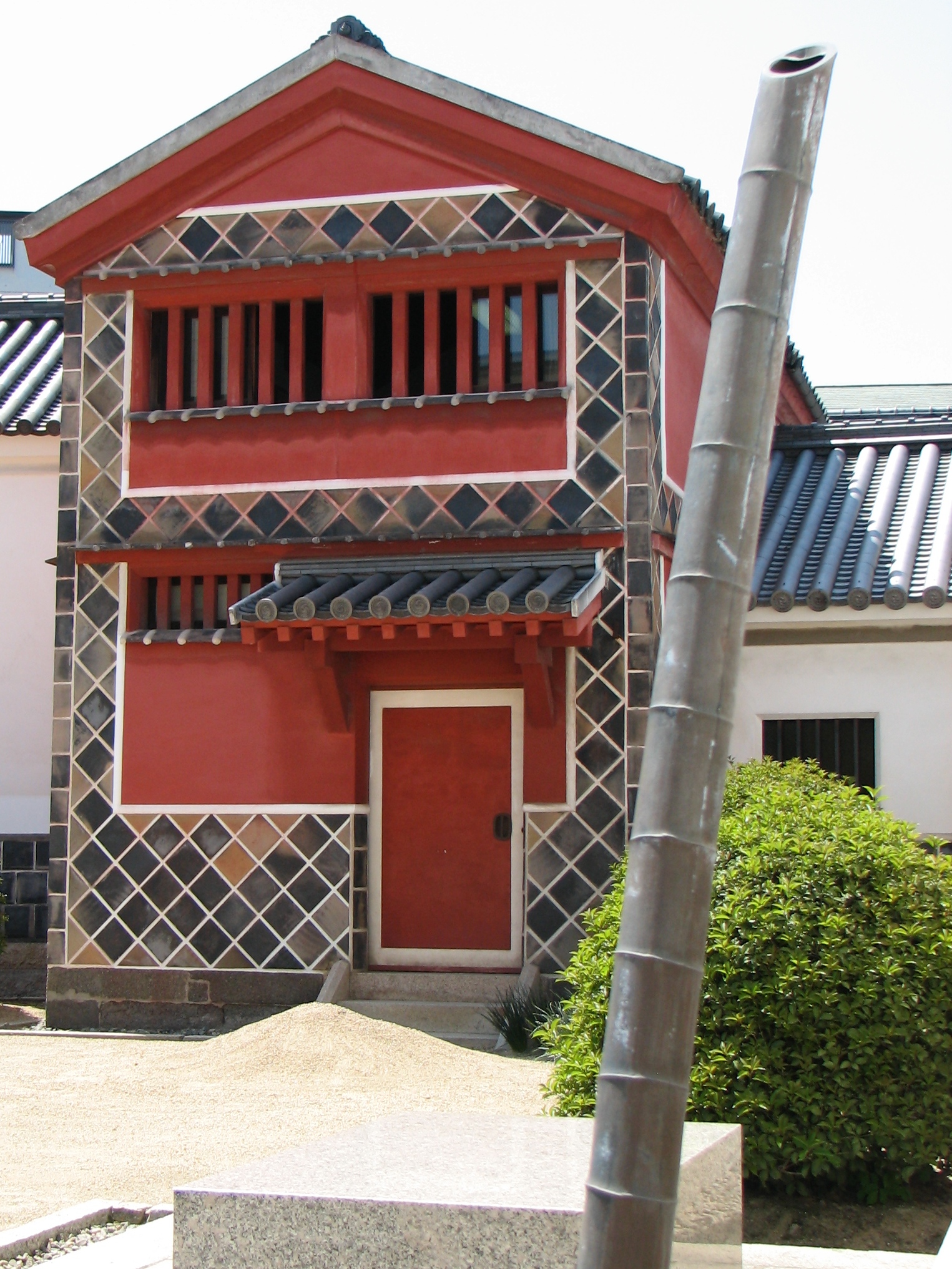
The pairing of denim craft with Edo-period architecture is not accidental — Kurashiki and neighboring Kojima share the same regional textile lineage, and many of the artisans now working in indigo-dyed denim trace their trade back through generations of cotton weavers who once supplied the very warehouses that now house their boutiques. Displaying modern denim inside centuries-old rice and cotton storehouses draws a direct, visible line between the region's historic textile economy and its present-day reputation for craftsmanship, something shoppers notice even without a detailed history lesson.
Beyond the flagship stores, smaller workshops in the district often keep their dyeing and stitching process visible to passersby, with vats of natural indigo dye and traditional sewing equipment set just inside open doorways. This transparency is part of a broader shift among Japanese denim makers toward foregrounding process rather than just product, since the labor-intensive techniques — hand-guided stitching, small-batch dyeing, and slow finishing — are precisely what justifies the premium pricing to an increasingly knowledgeable international clientele. Even visitors with no intention of buying jeans often find the district's blend of textile history and working craft demonstrations worth the detour from the main canal-side sights.
Essential Information
Opening Hours
Shops typically 10:00 AM – 6:00 PM. Momotaro Jeans Bikan 10:00 AM – 6:00 PM daily. Betty Smith Kurashiki 10:00 AM – 5:00 PM (closed Tuesday).
Closed: Some shops closed Wednesday or Thursday. Check individual shop schedules.
Entrance Fee
Browsing free. Jeans ¥15,000–50,000. Accessories ¥1,000–8,000. Custom jeans fitting starts ¥15,000.
Best Season
Year-round; combine with Bikan Historical Quarter walk for complete Kurashiki experience
Visit Duration
1–2 hours for thorough shopping; add 2–3 hours for Betty Smith custom jeans workshop
Getting There
Access Information
Insider Guide
Book Your Stay Nearby
Find accommodation close to Kurashiki Denim Shopping on these trusted booking platforms:
Nearby Spots
The closest hidden gems to Kurashiki Denim Shopping, by straight-line distance.

Kurashiki Bikan Historical Quarter
Kurashiki Bikan Historical Quarter (倉敷美観地区, Kurashiki Bikan Chiku) is a beautifully preserved Edo-period merchant distri…
Ohara Museum of Art
The Ohara Museum of Art (大原美術館, Ohara Bijutsukan) holds the distinction of being Japan's first museum dedicated to Weste…

Ivy Square
Ivy Square (倉敷アイビースクエア) is a beautifully preserved Meiji-era cotton spinning mill transformed into a hotel, museum, and…

Achi Shrine
Achi Shrine (阿智神社, Achi Jinja) sits atop a forested hill overlooking Kurashiki's Bikan Historical Quarter, offering pano…

Bitchu Kokubunji
The five-storey pagoda at Bitchu Kokubunji is the only one in Okayama Prefecture and the fixed point of the Kibiji lands…
Kojima
Kojima (児島), a district in southern Kurashiki, is revered worldwide as the birthplace of Japanese denim and the origin o…
More in Okayama

Okayama White Peaches
Okayama Prefecture is Japan's premier white peach (白桃, hakutou) producer, cultivating some of the world's most expensive…
Yumeji Art Museum
The Yumeji Art Museum (夢二郷土美術館, Yumeji Kyōdo Bijutsukan) celebrates the life and work of Takehisa Yumeji (1884–1934), an…
Okayama Barazushi
Okayama Barazushi (岡山ばら寿司), also known as Matsuri-zushi (festival sushi), is the prefecture's signature sushi dish — a c…