
Ivy Square
Researched and written by Hinato

Photo: 663highland / Wikimedia Commons (CC BY-SA 4.0) · original
Ivy Square (倉敷アイビースクエア) is a beautifully preserved Meiji-era cotton spinning mill transformed into a hotel, museum, and cultural facility complex, where red brick industrial architecture is softened by walls blanketed in Boston ivy (hence the name).
The mill ceased operations in the 1970s, and rather than demolition, it was adaptively reused — the spinning factory became the Kurabo Memorial Hall (倉紡記念館) displaying textile machinery, vintage photographs, and the mill's social history; worker dormitories became the Ivy Square Hotel; and auxiliary buildings house craft galleries, a pottery museum, and restaurants. The central courtyard, surrounded by ivy-covered brick walls, creates a European atmosphere rare in Japan. Visitors can explore the Memorial Hall's exhibits on spinning technology and labor history, dine at the hotel's restaurants, or simply stroll the atmospheric grounds. Ivy Square exemplifies Kurashiki's philosophy of preserving industrial heritage while giving it contemporary relevance, contrasting with the Edo-era warehouses of Bikan District just nearby.
The mill's founding in the late nineteenth century placed Kurashiki within Japan's broader push toward mechanized textile production, a shift that reshaped many regional cities as merchant wealth built on rice and cotton trading was redirected into industrial enterprise. Kurashiki's particular path — using that new industrial income to fund cultural institutions such as the Ohara Museum rather than purely expanding factory capacity — set the city apart from many of its contemporaries, and Ivy Square stands as the physical site where that transition from merchant town to industrial and cultural center took place most visibly.
Walking the complex today, the layered history is easy to trace: the red brick shells of the spinning halls, the dormitory wings that once housed mill workers, and the newer hotel and restaurant fittings inserted within the historic frame all coexist without erasing one another. The ivy that gives the complex its name was allowed to spread deliberately during the postwar conversion specifically to soften the industrial severity of the brickwork, and its seasonal color changes — pale green shoots in spring, dense cover through summer, and deep red before falling in late autumn — have become as much a part of the site's identity as the buildings themselves.
Practical details
Opening Hours
Grounds 24 hours. Kurabo Memorial Hall 9:00 AM – 5:00 PM (last entry 4:30 PM). Hotel restaurant/cafe 11:00 AM – 9:00 PM.
Closed: Grounds open 24/7. Memorial Hall: check seasonal schedule.
Entrance Fee
Grounds free. Kurabo Memorial Hall ¥300. Restaurant/cafe dining priced separately.
Best Season
Summer (June–August) for green ivy walls; autumn (November) for crimson ivy; morning light for brick texture photography
Visit Duration
45–60 minutes for grounds and Memorial Hall; add 60–90 minutes for dining at Tsutasou restaurant
Getting There
Access Information
Kurashiki. Near JR Kurashiki Station (adjacent to Bikan District). Kurabo Memorial Hall entry: ¥300, 9:00–17:00 (last entry 16:30). Grounds free to explore 24/7. Hotel restaurant/cafe: 11:00–21:00 (varies by establishment). Visit duration: 45-60 minutes. Combine with Bikan District for half-day Kurashiki itinerary.
Tips
Memorial Hall exhibits: The museum provides context for Japan's industrialization and Kurashiki's wealth — exhibits include original British-made spinning machines (1880s models), photographs of female mill workers (who dominated the workforce), and displays explaining how textile profits funded Kurashiki's cultural institutions (including Ohara Museum). English signage is limited but machinery displays are self-explanatory. The hall conveys the social history often absent from sanitized industrial museums — long working hours, dormitory life, and workers' contributions to Japan's modernization.
Architectural appreciation: The red brick construction, rare in traditional Japanese architecture, reflects Meiji-era Western influence. The ivy covering, introduced deliberately in the 1970s during conversion, now defines the complex's aesthetic — walls are greenest in summer (June–August), turning crimson in autumn (November). For photographers, morning light (east-facing) illuminates the brick texture; afternoon provides even courtyard lighting. The contrast between industrial brick and delicate ivy, plus the adaptive reuse concept, makes Ivy Square architecturally significant.
Dining option: Ivy Square Hotel's restaurant, Tsutasou (蔦荘), serves Western-style lunch courses (¥2,500–4,000) and afternoon tea (¥1,800, 14:00–17:00) in a refined brick-walled interior. The lunch menu emphasizes Okayama ingredients — Setouchi seafood, local vegetables, and desserts featuring Okayama white peaches (summer). Reservations recommended for lunch (walk-ins accepted for cafe service). Dining here combines history with contemporary comfort, extending the mill's legacy beyond museum exhibits.
Book Your Stay Nearby
Find accommodation close to Ivy Square on these trusted booking platforms:
Nearby Spots
The closest hidden gems to Ivy Square, by straight-line distance.
 ajari / CC BY 2.0
Achi Shrine
Locally knownAchi Shrine (阿智神社, Achi Jinja) sits atop a forested hill overlooking Kurashiki's Bikan Historical Quarter, offering pano…
 Unknown author / CC BY-SA 3.0
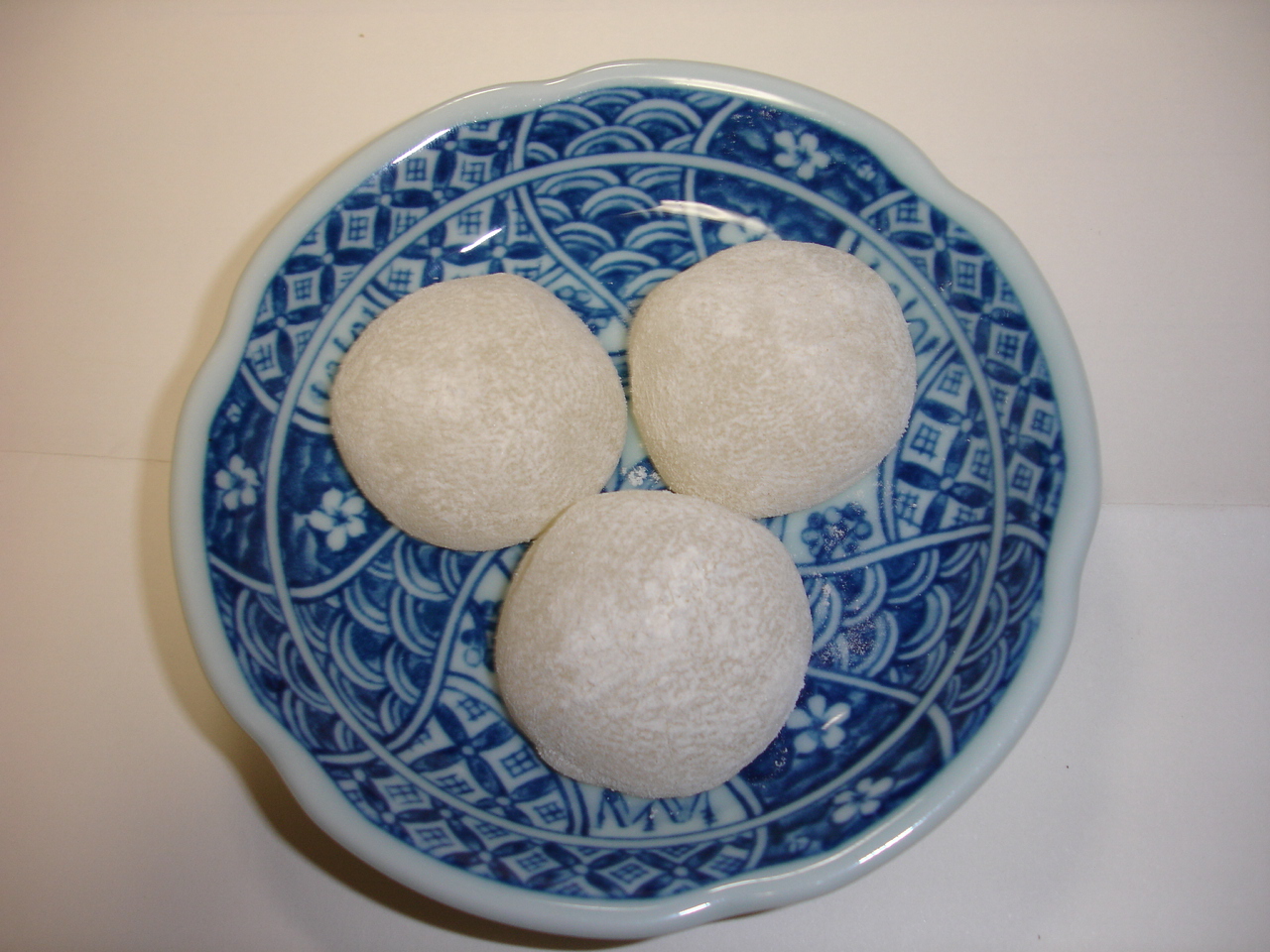
Kibi Dango
Little knownKibi dango (吉備団子) is Okayama's most iconic confection, a soft mochi-like sweet made from millet (kibi) flour, rice, suga…
 Hajime NAKANO from Tokyo, Japan / CC BY 2.0
Okayama White Peaches
Little knownOkayama Prefecture is Japan's premier white peach (白桃, hakutou) producer, cultivating some of the world's most expensive…
 takeokahp / CC BY 3.0
Okayama Castle
Little knownOkayama Castle (岡山城, Okayama-jō), nicknamed 'Crow Castle' (烏城, U-jō) for its striking black exterior, stands as one of J…
 shinji_w / CC BY 2.0
Kagawa Bone-in Chicken (Honetsuki-dori)
Little knownKagawa's signature local specialty, honetsuki-dori or bone-in chicken, represents a uniquely regional dish that has achi…
 eWikiLearner / CC BY-SA 4.0
Angel Road (Shodoshima)
Little knownAngel Road is Shodoshima Island's most romantic natural phenomenon, a mystical sandbar that emerges from the sea twice d…
