
Nagoya Castle
Facts verified: August 2026 · Sources: nagoyajo.city.nagoya.jp
Researched and written by Hinato

Photo: z tanuki / Wikimedia Commons (CC BY 3.0) · original
Nagoya Castle (名古屋城) stands as one of Japan's most magnificent fortresses, crowned by iconic golden shachihoko (mythical dolphin-tiger creatures) atop its main keep. Built in 1612 by order of Tokugawa Ieyasu, the castle served as the seat of the powerful Owari branch of the Tokugawa clan throughout the Edo period. The current concrete reconstruction dates to 1959, though a historically accurate wooden reconstruction of the main keep is currently underway using traditional joinery techniques.
The castle grounds span 53 hectares and include the Honmaru Palace, a stunning reconstruction completed in 2018 featuring gold-leaf sliding doors, painted ceilings, and chambers that showcase the opulence of feudal-era daimyo residences. The palace's Taimenjo (audience hall) dazzles with tiger and leopard paintings on gold backgrounds, considered masterpieces of the Kano school. The castle park transforms seasonally — plum blossoms in February, cherry blossoms in April, and autumn foliage in November create distinct atmospheres against the castle's white walls and green copper roofs.
The wider precinct doubles as one of central Nagoya's most popular parks, its broad moats and layered stone ramparts offering a rare sense of scale in a city that was heavily rebuilt after wartime bombing destroyed the original main keep, a National Treasure, before the current reconstruction went up. Locals tend to treat the grounds less as a single attraction than as a green anchor for the surrounding blocks — joggers and dog-walkers circle the outer moat well outside the paid enclosure, and the stone walls make a familiar backdrop for the neighborhood rather than a roped-off monument.
Inside the ramparts, the stonework rewards a slow look: different sections were built by different feudal domains under a shogunate-mandated construction levy, and the seams between their styles are still visible if you know to look for them. The Ninomaru Garden, a formal Edo-period landscape garden tucked beside the keep, is often skipped by visitors heading straight for the Honmaru Palace, but its ponds and clipped pines make a quieter stop, especially once the palace's queue has thinned. Taken together with the palace interior and the golden shachihoko above, the site adds up to a fuller picture of Owari-domain history than a quick photo at the gate would suggest.
Practical details
Opening Hours
9:00 AM – 4:30 PM (Honmaru Palace last entry 4:00 PM)
Closed: December 29–31 and January 1
Entrance Fee
¥500 adults (castle grounds + Honmaru Palace). Free for junior high school age and under.
Best Season
Late March–early April (cherry blossoms) | Mid-November (autumn foliage)
Visit Duration
90–120 minutes
Getting There
Access Information
1-1 Honmaru, Naka Ward, Nagoya. Near Shiyakusho Station (Meijo Line). Entry: ¥500 adults. Hours: 9:00 AM – 4:30 PM; last entry to the Honmaru Palace and the Nishinomaru treasure museum is 4:00 PM. Closed December 29–31 and January 1. Visit duration: 90–120 minutes. The main keep is closed for wooden reconstruction.
Tips
Honmaru Palace timing: The palace is the castle's crown jewel and justifies the admission alone. Arrive at 9:00 opening to photograph the gold-leaf chambers without crowds — midday sees tour groups that make intimate viewing difficult. Photography is permitted throughout (no flash), and the palace provides complimentary slippers to protect the tatami mats.
Shachihoko photo angles: The golden dolphins are best photographed from the exterior castle grounds. The northwestern corner (near the Ofuke Garden) provides unobstructed views of both shachihoko atop the tenshu. Early morning (8:00–10:00) offers soft lighting without harsh shadows. The shachihoko are 2.5m tall and weigh 1.2 tons — each scale is individually hammered gold plate.
Seasonal events: Nagoya Castle hosts nighttime illuminations during cherry blossom season (late March–early April) and autumn foliage (mid-November), extending hours to 20:00 with separate evening admission (¥500). The spring illumination includes 1,000+ cherry trees lit across the moats and castle walls. Additionally, the castle offers traditional tea ceremony experiences in the Ninomaru Tea House (¥500, weekends only, advance reservation via website).
Book Your Stay Nearby
Find accommodation close to Nagoya Castle on these trusted booking platforms:
Nearby Spots
The closest hidden gems to Nagoya Castle, by straight-line distance.
 gundam2345 / CC BY 3.0
Gujo Hachiman
Little knownGujo Hachiman (郡上八幡) is a castle town built on spring water — over 100 natural springs flow through the streets in open…
 663highland / CC BY 2.5
Kehi Jingu
Locally knownThe great torii at Kehi Jingu is 10.9 metres high, built of wood, and is counted with Kasuga Taisha in Nara and Itsukush…
 jetsun / CC BY-SA 3.0
Wakakusayama Hill
Locally knownWakakusayama (若草山, 'Young Grass Mountain') is a 342-meter grassy hill on Nara Park's eastern edge offering panoramic vie…
 663highland / CC BY 2.5
Sotomo Crags
Little knownThe Sotomo coast (蘇洞門) on the Uchikoshi Peninsula in northern Wakasa Bay is a 6-kilometer stretch of sheer granite and a…
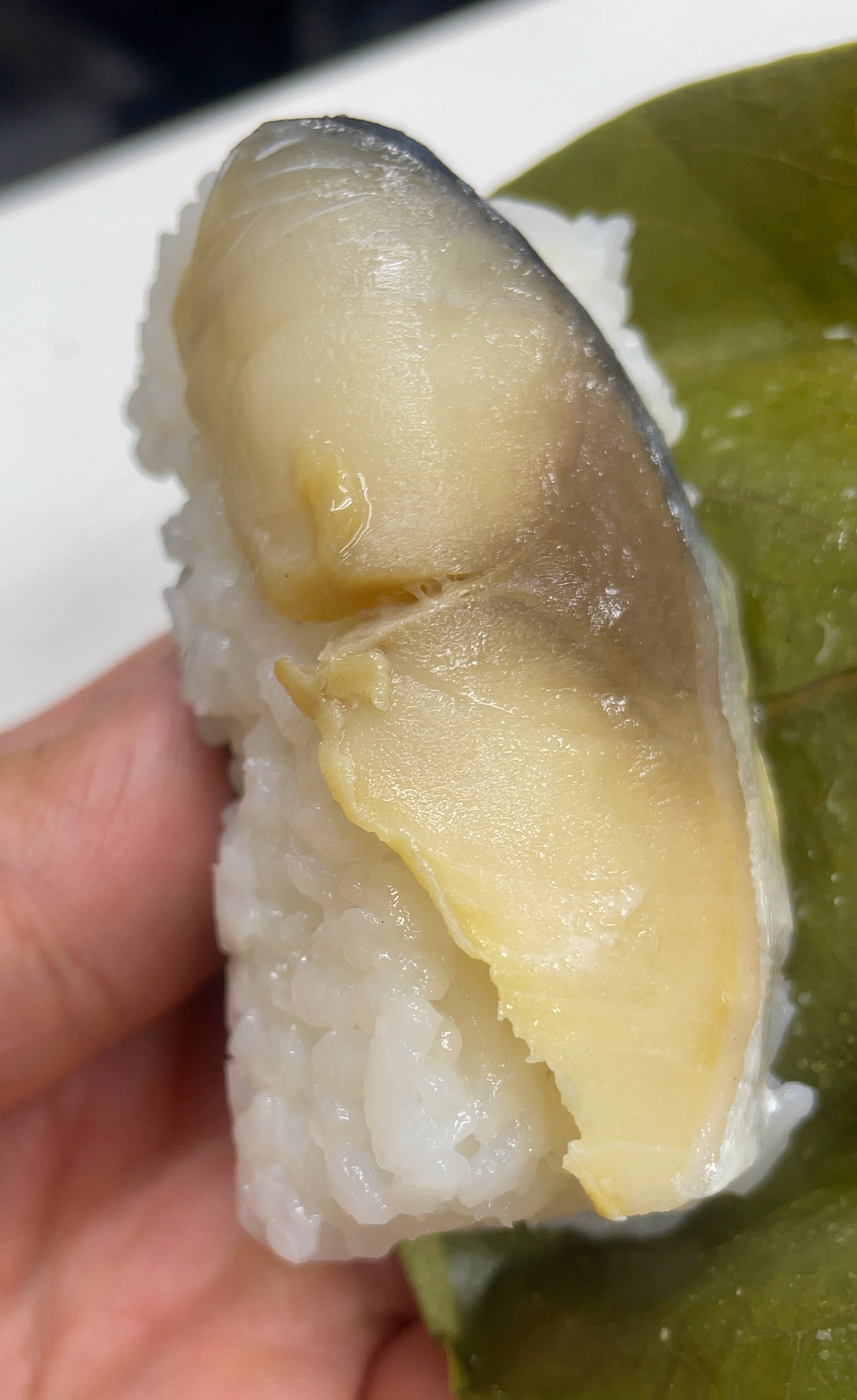 Kyu3a / CC BY-SA 4.0
Kakinoha-zushi
Locally knownKakinoha-zushi (柿の葉寿司) is Nara's signature pressed sushi: vinegared rice topped with mackerel, salmon, or sea bream, wra…