
Sannai-Maruyama Site
Aomori · Aomori City
40.8217°N, 140.7192°E
Sannai-Maruyama (三内丸山遺跡) is Japan's largest and most significant Jomon-period archaeological site, preserving a settlement inhabited from approximately 3,900-2,300 BCE. The site reveals that Jomon people (Japan's prehistoric hunter-gatherer culture) lived in large, organized villages centuries before agriculture arrived. Excavations have uncovered over 1,700 pit dwellings, storage buildings, graves, pottery kilns, and discarded artifacts including jade ornaments, lacquerware, and advanced pottery.
The most striking features are the reconstructed structures: six massive chestnut-wood pillars (each 1m diameter) forming a 14-meter-tall tower whose purpose remains debated (observation tower? ritual structure?), and several pit houses and elevated storehouses built using techniques verified by archaeological evidence. The reconstructions allow visitors to walk through and experience the scale of Jomon architecture.
The site museum displays thousands of excavated artifacts including intricately decorated Jomon pottery (flame-style vessels with rippling rims), stone tools, clay figurines (dogū), and evidence of long-distance trade networks (jade from Niigata, obsidian from Hokkaido). The sophistication of Jomon culture — once dismissed as primitive — is now recognized as one of the world's earliest complex societies. In 2021, Sannai-Maruyama was designated a UNESCO World Heritage Site as part of 'Jomon Prehistoric Sites in Northern Japan.'
Essential Information
Opening Hours
9:00 AM – 5:00 PM (year-round)
Closed: Closed December 30–January 1
Entrance Fee
Outdoor archaeological site/park: free | Museum/exhibition facility (Sanmaru Museum): ¥410-500 adults, free for junior high and under | English audio guide available
Best Season
Year-round (indoor museum + outdoor reconstructed village)
Visit Duration
1.5-2 hours
Getting There
Access Information
Insider Guide
Nearby Spots
The closest hidden gems to Sannai-Maruyama Site, by straight-line distance.
Aji no Sapporo Onishi
Miso curry milk ramen is exactly what it says: a miso base, curry powder, milk, and a pat of butter on top, with bean sp…
Nebuta Matsuri
Aomori Nebuta Matsuri runs August 2–7 every year, parading massive paper floats through downtown streets after dark. Eac…
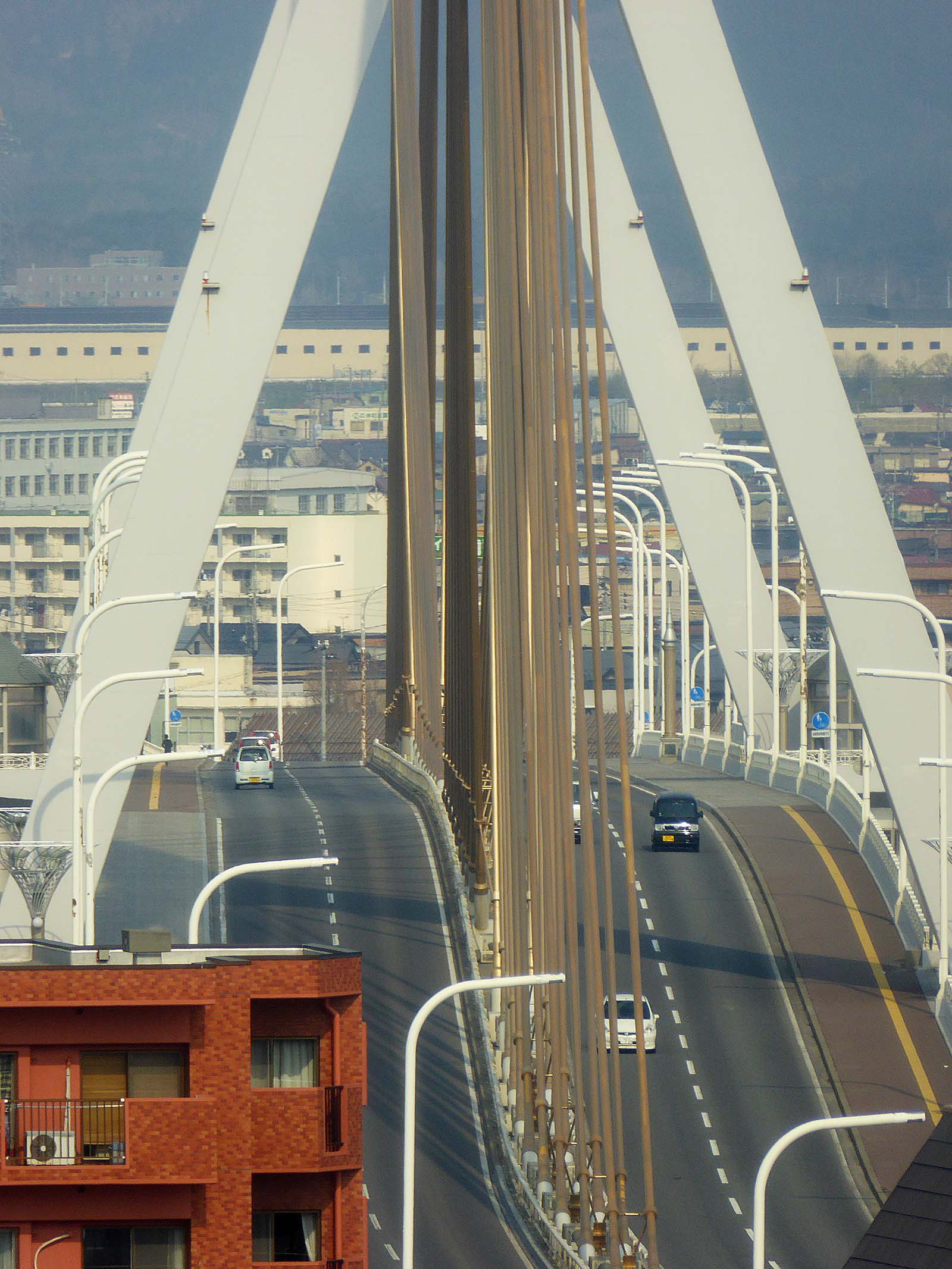
Aomori Bay Bridge
The Aomori Bay Bridge (青森ベイブリッジ) is a 1.2-kilometer cable-stayed bridge spanning Aomori Harbor, completed in 1994 as par…
Shayokan
Dazai Osamu wrote No Longer Human and The Setting Sun, drowned himself in 1948 at thirty-eight, and is read by essential…

Sukayu Onsen
The bath at Sukayu is a single room of 160 tatami mats, floored and walled entirely in hiba cypress with no metal or til…
Nakamachi Komise Street
Komise are covered wooden arcades built out from the front of a house over the public footway — a private roof over a pu…
More in Aomori
Juniko Aoike
Juniko is a scatter of thirty-three lakes and ponds in beech forest at the western edge of the Shirakami mountains, form…
Stairway National Route 339
National Route 339 runs up the Tsugaru peninsula to Cape Tappi, and for 388 metres of its length it is a flight of 362 c…
Tsugaru Railway Stove Train
The Tsugaru Railway runs twenty kilometres north from Goshogawara across the flat snow country of the Tsugaru plain, and…