
Tenryu-ji Temple

Photo: Thomas Au / Wikimedia Commons (CC BY 2.0)
Tenryu-ji (天龍寺, 'Heavenly Dragon Temple') is a UNESCO World Heritage Zen temple built in 1339, ranking first among Kyoto's five great Zen temples. The temple's Sogenchi Pond Garden (曹源池庭園) is considered a masterpiece of borrowed scenery (借景, shakkei) — the garden incorporates Mt. Arashiyama and the surrounding mountains as part of its designed landscape, creating seamless integration between garden and nature.
The pond garden was designed by priest-artist Muso Soseki (1275–1351), one of Japan's most influential garden designers. The garden remains largely unchanged from its 14th-century design, surviving wars and fires that destroyed the temple buildings multiple times.
Essential Information
Opening Hours
8:30 AM – 5:00 PM (summer until 5:30 PM)
Closed: Open year-round
Entrance Fee
¥500 (garden) | ¥300 additional for temple buildings
Best Season
Autumn (November, crimson maples + borrowed Mt. Arashiyama scenery) | Spring (cherry blossoms) | Year-round
Visit Duration
30–45 minutes
Getting There
Access Information
Insider Guide
Nearby Spots
The closest hidden gems to Tenryu-ji Temple, by straight-line distance.

Arashiyama Bamboo Grove
The Arashiyama Bamboo Grove (嵯峨野の竹林) is a path through thousands of towering bamboo stalks that create a natural cathedr…

Sagano Scenic Railway
The Sagano Scenic Railway (嵯峨野観光鉄道, Torokko Train) runs 7.3km along the Hozugawa River gorge between Arashiyama and Kame…

Togetsukyo Bridge
Togetsukyo Bridge (渡月橋, 'Moon Crossing Bridge') spans the Katsura River in central Arashiyama, serving as the district's…

Ryoan-ji Rock Garden
Ryoan-ji Temple (龍安寺) houses Japan's most famous Zen rock garden (枯山水, karesansui 'dry landscape') — a rectangular plot…
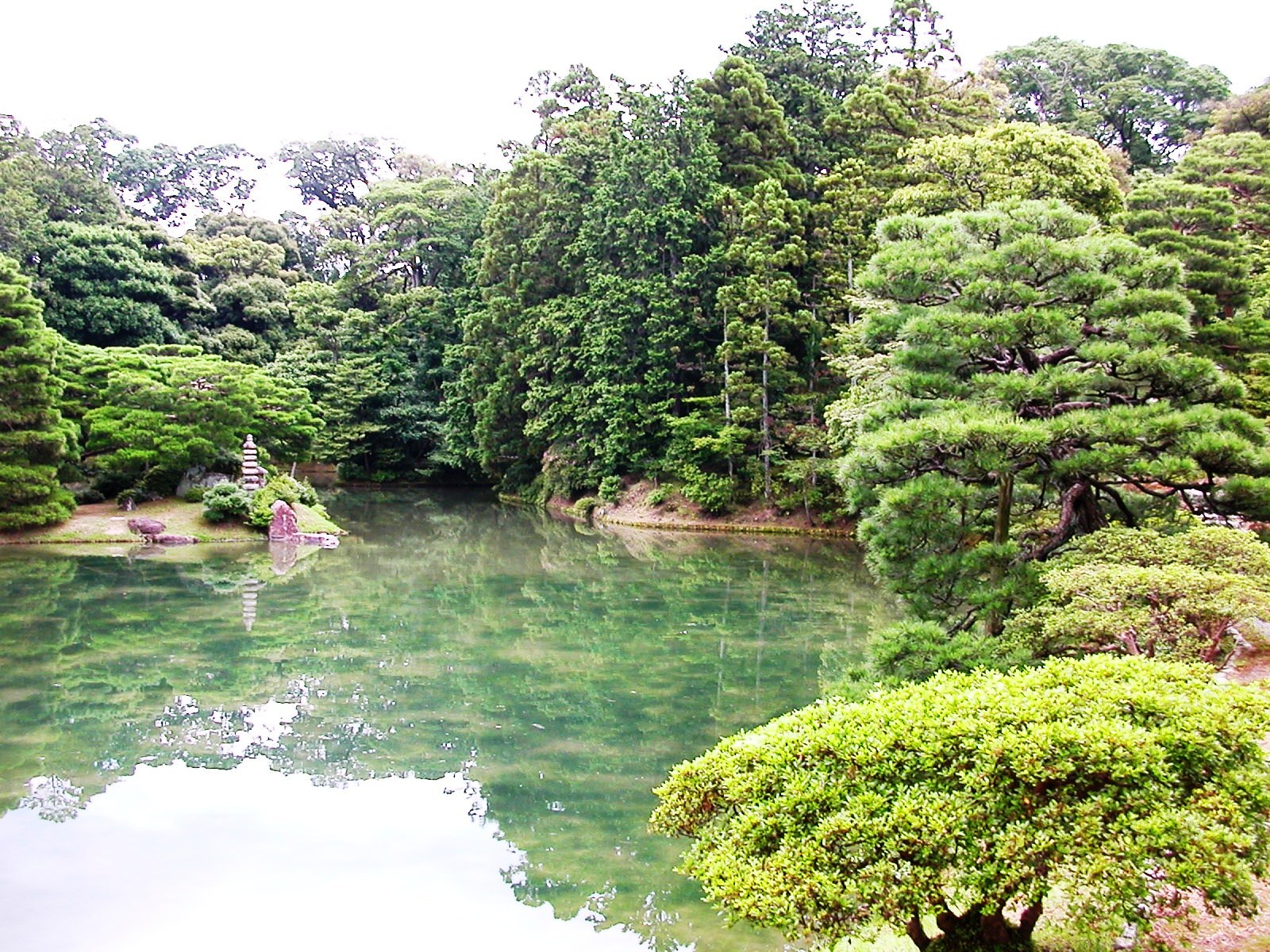
Katsura Imperial Villa
In 1933, German architect Bruno Taut visited Katsura and wept. "The greatest work of Japanese architectural genius," he…
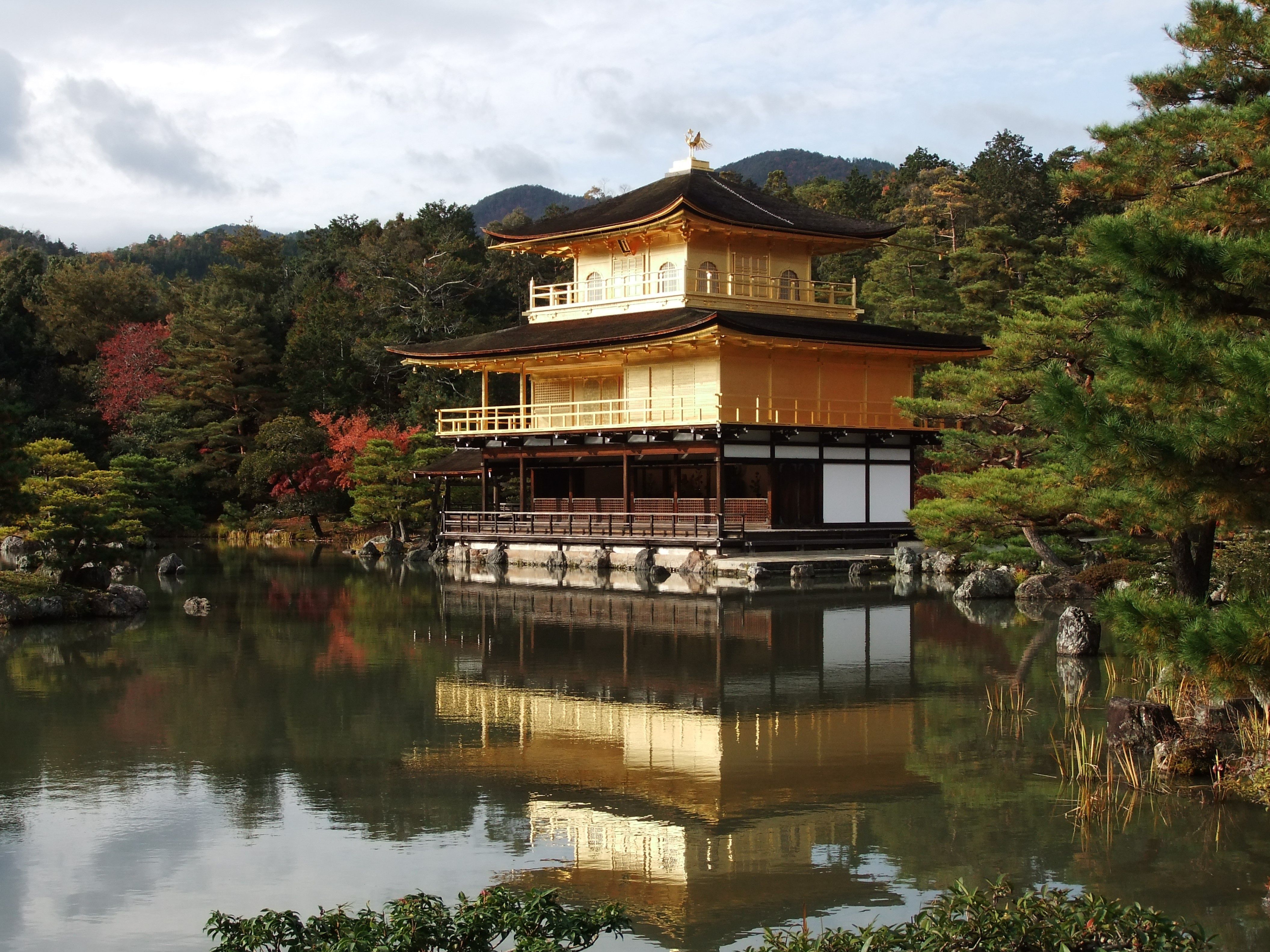
Kinkaku-ji Golden Pavilion
Kinkaku-ji (金閣寺, 'Temple of the Golden Pavilion') is a three-story Zen Buddhist temple covered in pure gold leaf, reflec…
More in Kyoto

Kyoto Ramen
Kyoto ramen (京都ラーメン) blends tonkotsu (pork bone) and shoyu (soy sauce) into a rich, dark broth that's less heavy than Ha…
Sanjusangen-do Archery
Every January (second Sunday), Sanjusangen-do Temple hosts Toshiya (通し矢) — a coming-of-age archery ceremony where 20-yea…
Kyoto Machiya Stay
Machiya are the narrow wooden townhouses that line Kyoto's older neighborhoods—three meters wide, 20 meters deep, built…