
Yumeji Seika Museum
Researched and written by Hinato

Photo: Oilstreet / Wikimedia Commons (CC BY 2.5) · original
The Yumeji Seika Museum (夢二生家記念館, Yumeji Seika Kinenkan) preserves the birthplace and childhood home of Takehisa Yumeji (1884–1934), the Okayama-born painter and poet famous for his melancholic portraits of women during Japan's Taisho era (1912–1926). Located in rural Setouchi, the museum complex includes Yumeji's restored thatched-roof farmhouse, a modern exhibition hall displaying his paintings and personal effects, and surrounding gardens that evoke the countryside landscapes of his youth.
The museum provides intimate insight into Yumeji's formative years — born into a sake-brewing farming family, he showed early artistic talent but faced pressure to abandon art for family business. The farmhouse interior recreates Meiji-era rural life with period furnishings, and the exhibition hall displays lesser-known works including early sketches, letters, and designs for books and magazines. The rural setting, surrounded by rice fields and mountains, contrasts with the urbane sophistication of his later Tokyo career, illustrating the tension between countryside roots and cosmopolitan ambitions that characterized his life. The museum's quiet location and personal scale offer a different perspective from Okayama city's Yumeji Art Museum — here, the focus is the artist's origins rather than his mature achievements, appealing to those interested in biographical depth and the connection between artist and landscape.
The surrounding countryside is itself part of the exhibit in a sense — the rice paddies, low hills, and quiet farm lanes visible from the property are close to what Yumeji himself would have seen as a child, and walking the short distance from the parking area to the farmhouse gives a feel for the rural rhythms that shaped his early sensibility long before Tokyo's cafes and publishing houses entered his life. Local seasonal changes, from the green paddies of early summer to the golden rice fields of early autumn, echo the pastoral imagery that recurs throughout his illustrated poetry and book designs.
Because the site sees far fewer visitors than Okayama's headline attractions, it tends to reward patience — docents and staff are often willing to talk at length about Yumeji's biography and the family's sake-brewing background for visitors who show interest, and the unhurried pace of a visit here contrasts deliberately with the more curated, high-traffic experience of the city museum. For travelers already drawn to Taisho-era art and design, the birthplace site closes a biographical loop that the city museum's mature-period collection leaves open.
Practical details
Opening Hours
9:00 AM – 5:00 PM (last entry 4:30 PM)
Closed: Closed Mondays
Entrance Fee
¥500. Bizen Osafune Sword Museum (nearby): ¥500 separate.
Best Season
Year-round; combine with Bizen Osafune Sword Museum for full Setouchi cultural day trip
Visit Duration
45–60 minutes for farmhouse and exhibition hall; combine with sword museum for 3-hour Setouchi itinerary
Getting There
Access Information
Setouchi City. A train from Okayama Station (JR Ako Line to Osafune Station), then a taxi (¥1,500). Entry: ¥500. Visit duration: 45-60 minutes. Combine with nearby Bizen Osafune Sword Museum (by taxi) for Setouchi cultural day trip.
Tips
Biographical context: Yumeji's childhood in rural Okayama profoundly influenced his artistic sensibility — the nostalgia and melancholy pervading his paintings reflect longing for a disappearing traditional Japan amidst rapid modernization. The farmhouse museum displays family photographs, including images of his mother (who died when he was 12), believed to be the emotional template for his idealized feminine figures. Understanding this biographical foundation adds emotional depth to his bijin-ga (beautiful women paintings).
Farmhouse architecture: The restored thatched-roof farmhouse (kayabuki-yane) represents late-Edo/early-Meiji rural architecture — dirt floors (doma), sunken hearth (irori), and sliding paper doors (shoji). The rooms are furnished with period objects: wooden farming tools, ceramic sake jars (from family business), and a small desk where young Yumeji reportedly drew. The thatched roof, maintained using traditional methods, requires re-thatching every 20–30 years — a living example of Japanese architectural preservation.
Combined Setouchi itinerary: The museum pairs naturally with the Bizen Osafune Sword Museum (備前長船刀剣博物館), by taxi, which showcases the region's historic sword-making industry. A full day in Setouchi could include: morning visit to Yumeji's birthplace (9:00–10:30), taxi to sword museum (11:00–12:30), lunch at nearby restaurant, then return to Okayama or continue to Bizen for pottery (another by train). This route explores Okayama's diverse artisan heritage — painting, metallurgy, and ceramics — across one rural region.
Book Your Stay Nearby
Find accommodation close to Yumeji Seika Museum on these trusted booking platforms:
Nearby Spots
The closest hidden gems to Yumeji Seika Museum, by straight-line distance.
 takeokahp / CC BY 3.0
Okayama Castle
Little knownOkayama Castle (岡山城, Okayama-jō), nicknamed 'Crow Castle' (烏城, U-jō) for its striking black exterior, stands as one of J…
 Hajime NAKANO from Tokyo, Japan / CC BY 2.0
Okayama White Peaches
Little knownOkayama Prefecture is Japan's premier white peach (白桃, hakutou) producer, cultivating some of the world's most expensive…
 Unknown author / CC BY-SA 3.0
Kibi Dango
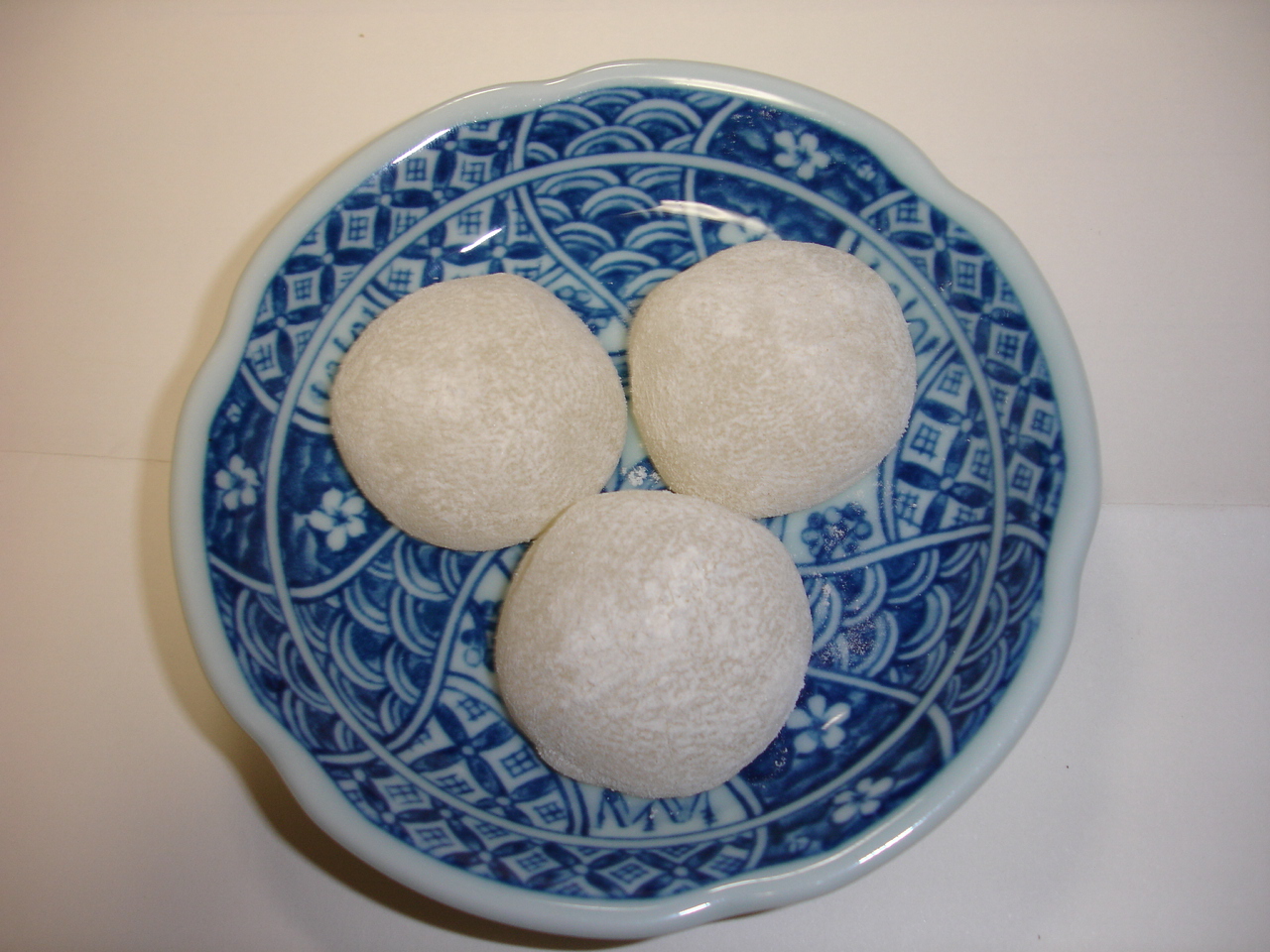
Little knownKibi dango (吉備団子) is Okayama's most iconic confection, a soft mochi-like sweet made from millet (kibi) flour, rice, suga…
 eWikiLearner / CC BY-SA 4.0
Angel Road (Shodoshima)
Little knownAngel Road is Shodoshima Island's most romantic natural phenomenon, a mystical sandbar that emerges from the sea twice d…
 ajari / CC BY 2.0
Achi Shrine
Locally knownAchi Shrine (阿智神社, Achi Jinja) sits atop a forested hill overlooking Kurashiki's Bikan Historical Quarter, offering pano…
 663highland / CC BY-SA 4.0
Ivy Square
Locally knownIvy Square (倉敷アイビースクエア) is a beautifully preserved Meiji-era cotton spinning mill transformed into a hotel, museum, and…