
หน้านี้ยังไม่ได้แปล จึงแสดงเป็นภาษาอังกฤษ
Ivy Square
ค้นคว้าและเขียนโดย Hinato

Photo: 663highland / Wikimedia Commons (CC BY-SA 4.0) · original
Ivy Square (倉敷アイビースクエア) is a beautifully preserved Meiji-era cotton spinning mill transformed into a hotel, museum, and cultural facility complex, where red brick industrial architecture is softened by walls blanketed in Boston ivy (hence the name).
The mill ceased operations in the 1970s, and rather than demolition, it was adaptively reused — the spinning factory became the Kurabo Memorial Hall (倉紡記念館) displaying textile machinery, vintage photographs, and the mill's social history; worker dormitories became the Ivy Square Hotel; and auxiliary buildings house craft galleries, a pottery museum, and restaurants. The central courtyard, surrounded by ivy-covered brick walls, creates a European atmosphere rare in Japan. Visitors can explore the Memorial Hall's exhibits on spinning technology and labor history, dine at the hotel's restaurants, or simply stroll the atmospheric grounds. Ivy Square exemplifies Kurashiki's philosophy of preserving industrial heritage while giving it contemporary relevance, contrasting with the Edo-era warehouses of Bikan District just nearby.
The mill's founding in the late nineteenth century placed Kurashiki within Japan's broader push toward mechanized textile production, a shift that reshaped many regional cities as merchant wealth built on rice and cotton trading was redirected into industrial enterprise. Kurashiki's particular path — using that new industrial income to fund cultural institutions such as the Ohara Museum rather than purely expanding factory capacity — set the city apart from many of its contemporaries, and Ivy Square stands as the physical site where that transition from merchant town to industrial and cultural center took place most visibly.
Walking the complex today, the layered history is easy to trace: the red brick shells of the spinning halls, the dormitory wings that once housed mill workers, and the newer hotel and restaurant fittings inserted within the historic frame all coexist without erasing one another. The ivy that gives the complex its name was allowed to spread deliberately during the postwar conversion specifically to soften the industrial severity of the brickwork, and its seasonal color changes — pale green shoots in spring, dense cover through summer, and deep red before falling in late autumn — have become as much a part of the site's identity as the buildings themselves.
ข้อมูลสำคัญ
เวลาเปิดทำการ
Grounds 24 hours. Kurabo Memorial Hall 9:00 AM – 5:00 PM (last entry 4:30 PM). Hotel restaurant/cafe 11:00 AM – 9:00 PM.
วันหยุด: Grounds open 24/7. Memorial Hall: check seasonal schedule.
ค่าเข้าชม
Grounds free. Kurabo Memorial Hall ¥300. Restaurant/cafe dining priced separately.
ฤดูที่ดีที่สุด
Summer (June–August) for green ivy walls; autumn (November) for crimson ivy; morning light for brick texture photography
ระยะเวลาเที่ยวชม
45–60 minutes for grounds and Memorial Hall; add 60–90 minutes for dining at Tsutasou restaurant
การเดินทางไป
ข้อมูลการเดินทาง
คู่มือจากคนใน
จองที่พักใกล้เคียง
ค้นหาที่พักใกล้ Ivy Square บนแพลตฟอร์มจองที่เชื่อถือได้เหล่านี้:
สถานที่ใกล้เคียง
สถานที่ลับที่อยู่ใกล้ Ivy Square มากที่สุด เรียงตามระยะทางเส้นตรง
 ภาพประกอบ (ไม่ใช่ภาพถ่าย)
Kurashiki Denim Shopping
Locally knownKurashiki's Bikan Historical Quarter has embraced the region's denim heritage, with numerous boutiques and craft shops i…
 takeokahp / CC BY 3.0
Kurashiki Bikan Historical Quarter
FamousKurashiki Bikan Historical Quarter (倉敷美観地区, Kurashiki Bikan Chiku) is a beautifully preserved Edo-period merchant distri…
 Yoshio Kohara / CC BY 3.0
Ohara Museum of Art
Little knownThe Ohara Museum of Art (大原美術館, Ohara Bijutsukan) holds the distinction of being Japan's first museum dedicated to Weste…
 ajari / CC BY 2.0
Achi Shrine
Locally knownAchi Shrine (阿智神社, Achi Jinja) sits atop a forested hill overlooking Kurashiki's Bikan Historical Quarter, offering pano…
 hajime / CC BY 3.0
Bitchu Kokubunji
Little knownThe five-storey pagoda at Bitchu Kokubunji is the only one in Okayama Prefecture and the fixed point of the Kibiji lands…
 ภาพประกอบ (ไม่ใช่ภาพถ่าย)
Kojima
Little knownKojima (児島), a district in southern Kurashiki, is revered worldwide as the birthplace of Japanese denim and the origin o…
สถานที่อื่น ๆ ในจังหวัดโอคายามะ
 Novcira / CC BY-SA 3.0
Kibiji Cycling Road
Little knownThe Kibiji Cycling Road (吉備路自転車道) is a scenic 17-kilometer rural cycling route connecting Okayama City to Soja City, pas…
 Jogungagon / CC BY-SA 4.0
Bitchu Matsuyama Castle
Little knownBitchu Matsuyama Castle (備中松山城) sits atop Mount Gagyu at 430 meters elevation, making it Japan's highest castle with an…
 Unknown author / CC BY-SA 3.0
Kibi Dango
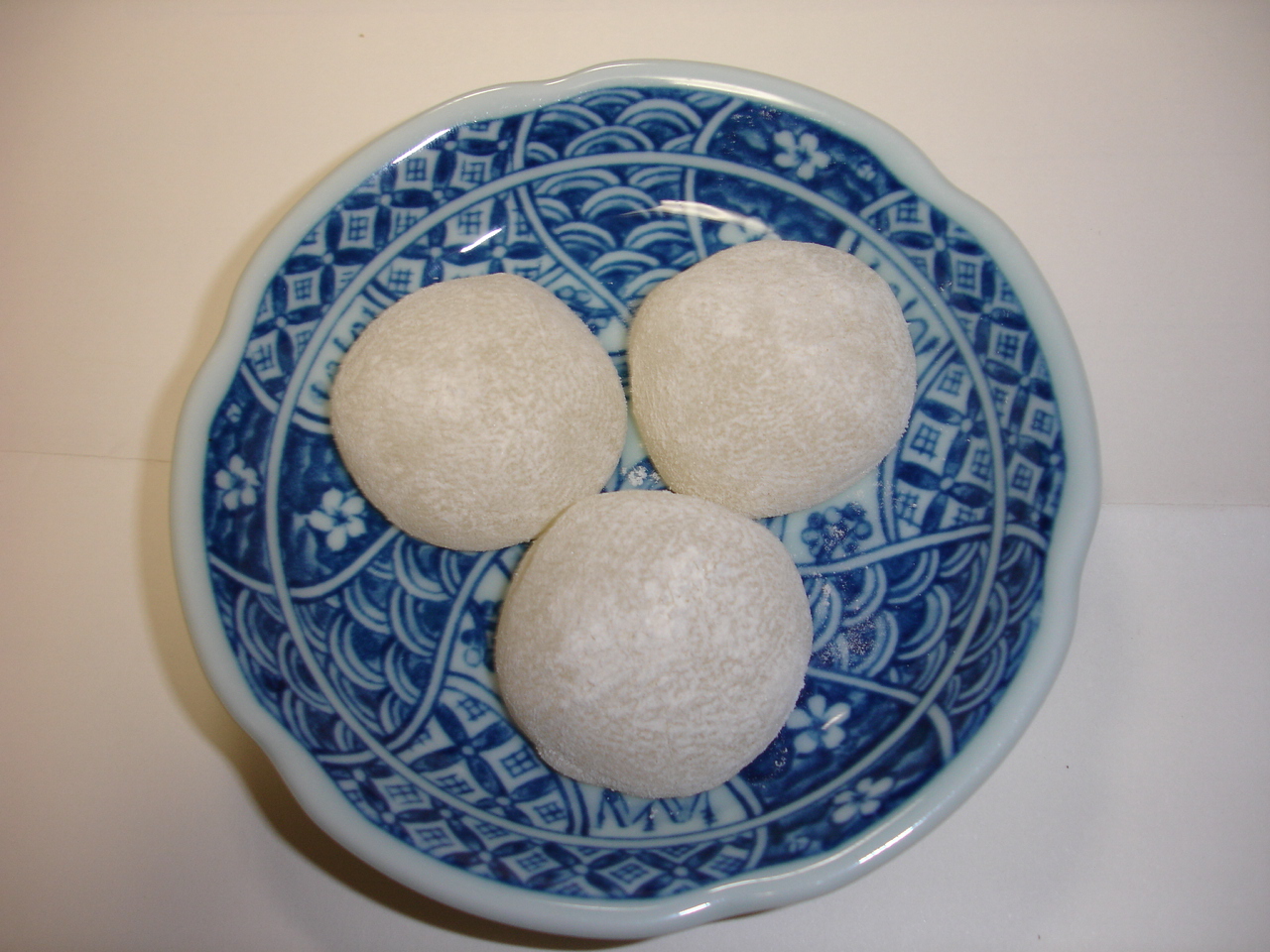
Little knownKibi dango (吉備団子) is Okayama's most iconic confection, a soft mochi-like sweet made from millet (kibi) flour, rice, suga…