
หน้านี้ยังไม่ได้แปล จึงแสดงเป็นภาษาอังกฤษ
Ohara Museum of Art
ค้นคว้าและเขียนโดย Hinato
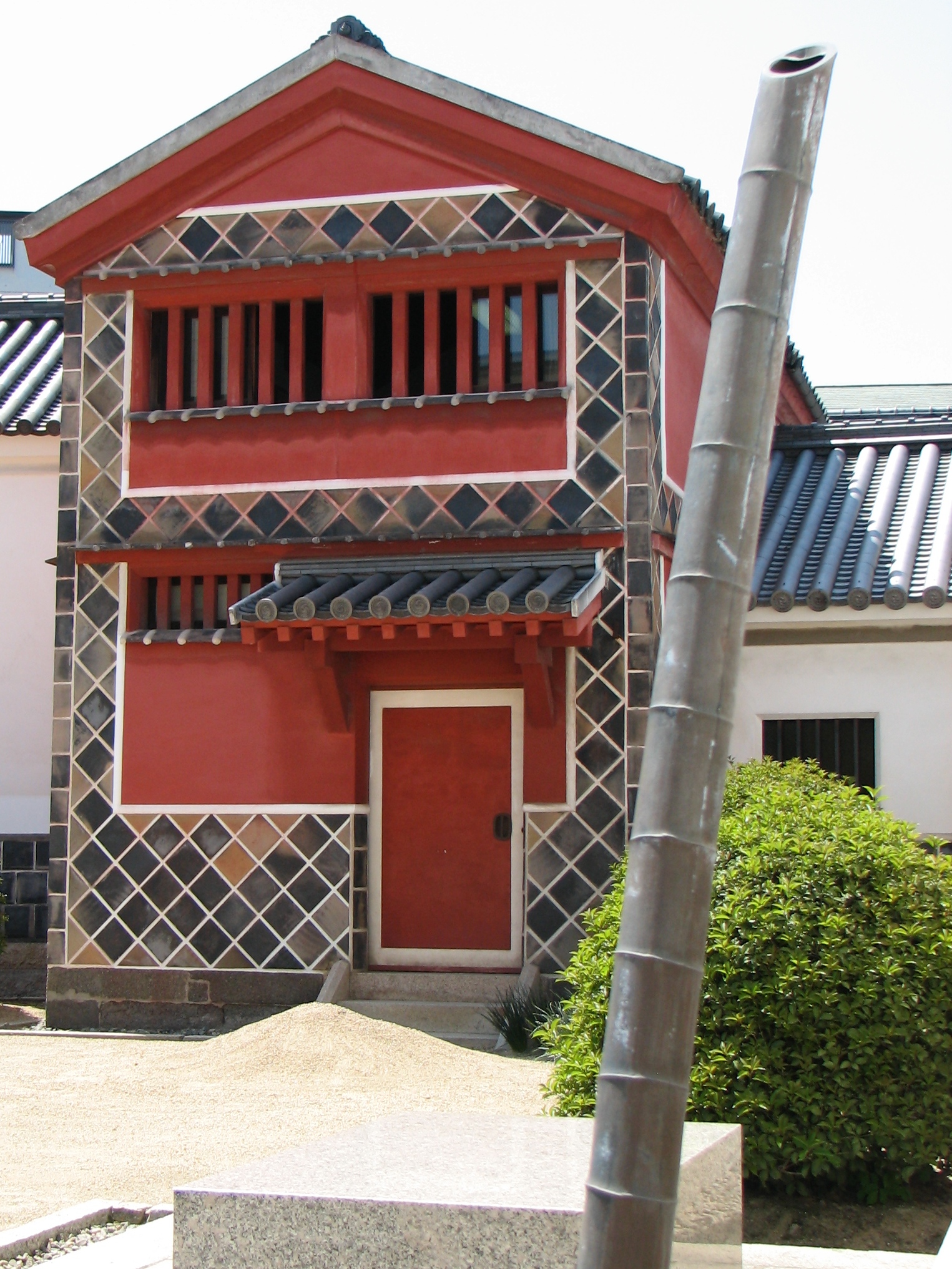
Photo: Yoshio Kohara / Wikimedia Commons (CC BY 3.0) · original
The Ohara Museum of Art (大原美術館, Ohara Bijutsukan) holds the distinction of being Japan's first museum dedicated to Western art, established in 1930 by industrialist Ohara Magosaburo. The museum's neoclassical main building, with its Greek-inspired columns and rotunda, houses an exceptional permanent collection including works by El Greco, Monet, Renoir, Gauguin, Matisse, Picasso, and Jackson Pollock — an astonishing concentration of Western masters in a provincial Japanese city.
The collection was assembled by Ohara's friend, artist Kojima Torajiro, who traveled Europe in the 1920s purchasing works directly from artists and dealers. Today, the museum complex spans four buildings: the Main Gallery (Western painting and sculpture), the Craft Art Gallery (Bernard Leach ceramics, Shoji Hamada pottery, and Japanese mingei folk crafts), the Asiatic Art Gallery (ancient Egyptian, Chinese, and Persian art), and the Contemporary Art Gallery. The museum's thoughtful curation and intimate scale create an unhurried viewing experience, contrasting with Tokyo's crowded institutions. Kurashiki's historic canal district surroundings add cultural context — the museum itself occupies a former warehouse, embodying the city's transformation of merchant heritage into cultural preservation.
ข้อมูลสำคัญ
เวลาเปิดทำการ
9:00 AM – 5:00 PM (last entry 4:30 PM)
วันหยุด: Closed Monday (open if holiday, then closed next day)
ค่าเข้าชม
¥1,500 (all galleries). ¥1,000 (Main Gallery only). English audio guide ¥500 additional.
ฤดูที่ดีที่สุด
Weekday mornings (9:00–11:00) for quietest conditions; autumn and spring for pleasant surrounding Bikan District atmosphere
ระยะเวลาเที่ยวชม
90–120 minutes for full collection across all four galleries
การเดินทางไป
ข้อมูลการเดินทาง
คู่มือจากคนใน
สถานที่ใกล้เคียง
สถานที่ลับที่อยู่ใกล้ Ohara Museum of Art มากที่สุด เรียงตามระยะทางเส้นตรง
 ภาพประกอบ (ไม่ใช่ภาพถ่าย)
Kurashiki Denim Shopping
Locally knownKurashiki's Bikan Historical Quarter has embraced the region's denim heritage, with numerous boutiques and craft shops i…
 takeokahp / CC BY 3.0
Kurashiki Bikan Historical Quarter
FamousKurashiki Bikan Historical Quarter (倉敷美観地区, Kurashiki Bikan Chiku) is a beautifully preserved Edo-period merchant distri…
 ajari / CC BY 2.0
Achi Shrine
Locally knownAchi Shrine (阿智神社, Achi Jinja) sits atop a forested hill overlooking Kurashiki's Bikan Historical Quarter, offering pano…
 663highland / CC BY-SA 4.0
Ivy Square
Locally knownIvy Square (倉敷アイビースクエア) is a beautifully preserved Meiji-era cotton spinning mill transformed into a hotel, museum, and…
 hajime / CC BY 3.0
Bitchu Kokubunji
Little knownThe five-storey pagoda at Bitchu Kokubunji is the only one in Okayama Prefecture and the fixed point of the Kibiji lands…
 ภาพประกอบ (ไม่ใช่ภาพถ่าย)
Kojima
Little knownKojima (児島), a district in southern Kurashiki, is revered worldwide as the birthplace of Japanese denim and the origin o…
สถานที่อื่น ๆ ในจังหวัดโอคายามะ
Demi-katsu Don
Little knownOkayama's katsudon comes under demi-glace. It should not work and it has been the city's dish for ninety years. The sau…
Maneki-neko Museum
Little knownThis was the first museum in Japan devoted to the beckoning cat, and it is a hundred-year-old farmhouse in the hills nor…
 Haruo.takagi / CC BY-SA 4.0
Kitagishima Stone Quarry Lookout
Little knownKitagi granite built Osaka Castle's walls, the foundations of Tokyo Station and the approach at Yasukuni Shrine, and it…