
หน้านี้ยังไม่ได้แปล จึงแสดงเป็นภาษาอังกฤษ
Jakoten
ค้นคว้าและเขียนโดย Hinato

Photo: 円周率3パーセント / Wikimedia Commons (CC BY-SA 4.0) · original
Jakoten (じゃこ天) is Ehime's signature fish cake made from small fish (jako — tiny sardines or anchovies) ground whole with bones, mixed with minimal flour, and deep-fried until golden and crispy. Unlike kamaboko (steamed fish cake), jakoten has a coarser texture from the ground bones and a stronger, fishier flavor. It's eaten as street food, served warm with soy sauce and grated ginger, or added to udon and oden.
The dish originated in southern Ehime fishing villages where small bycatch fish were transformed into preserved food, now elevated to regional specialty status.
ข้อมูลสำคัญ
เวลาเปิดทำการ
Street food stands and shops: varies, typically 10:00 AM – 6:00 PM. Fresh batches made every 2–3 hours at high-turnover shops in Dogo Onsen arcade.
วันหยุด: Year-round availability. Individual shops have their own closing days — buy at Dogo Onsen shopping arcade for most reliable access.
ค่าเข้าชม
No entry fee. Jakoten: ¥100–200/piece fresh. Vacuum-packed souvenir packs: ¥500–800 (5 pieces) at airports and train stations.
ฤดูที่ดีที่สุด
Year-round. Street food best enjoyed warm, so avoid rainy days for outdoor stands. Available all year as a local staple.
ระยะเวลาเที่ยวชม
5–15 minutes as a street food stop. Best combined with Dogo Onsen visit or Matsuyama sightseeing rather than as a standalone destination.
การเดินทางไป
ข้อมูลการเดินทาง
คู่มือจากคนใน
สถานที่ใกล้เคียง
สถานที่ลับที่อยู่ใกล้ Jakoten มากที่สุด เรียงตามระยะทางเส้นตรง
 Daichan / CC BY-SA 3.0
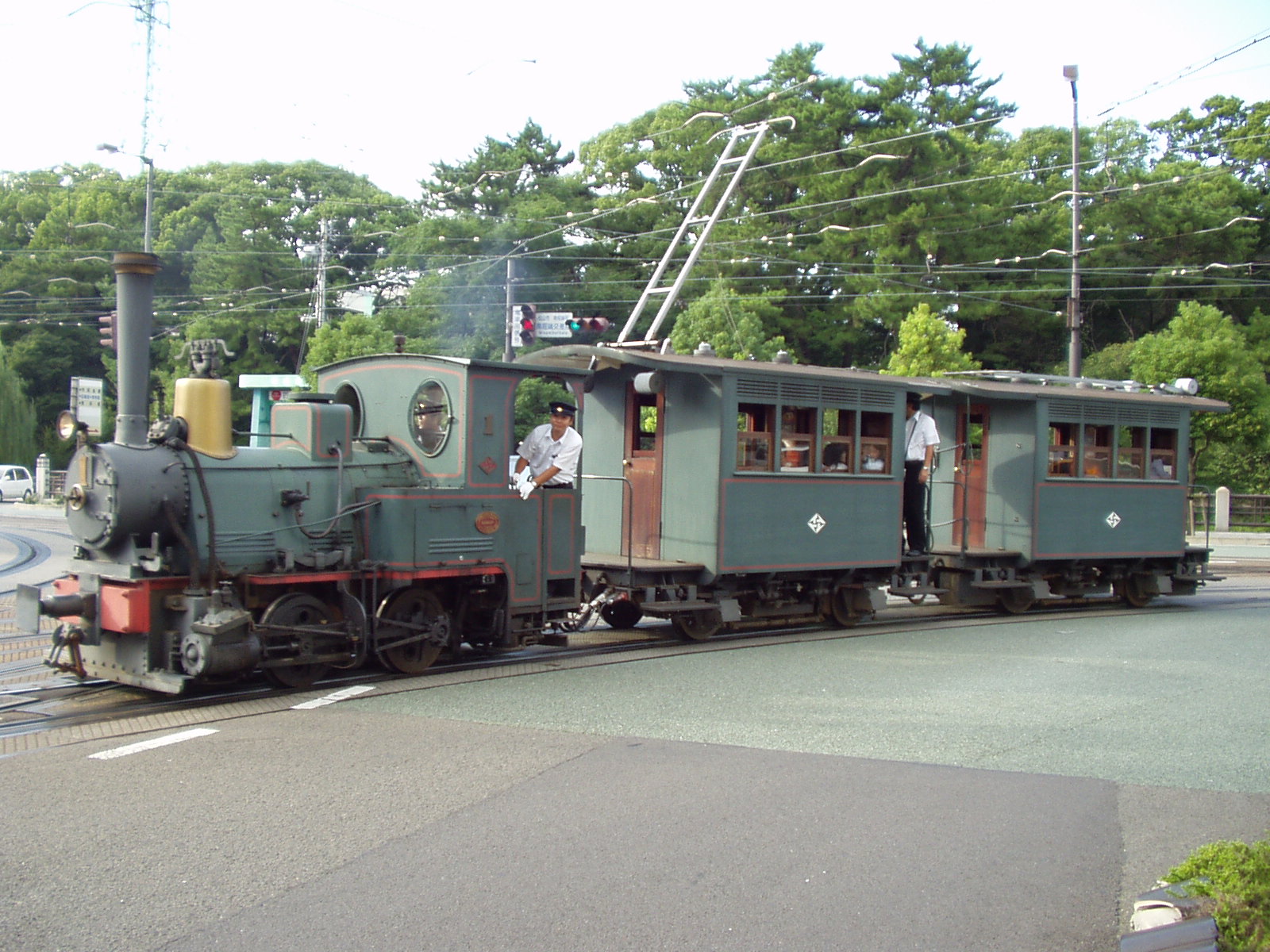
Botchan Ressha
Little knownThe Botchan Ressha is a restored vintage steam locomotive (actually diesel-powered replica) operating as a tourist tram…
 Fred Cherrygarden / CC BY-SA 4.0
Taimeshi
Locally knownTaimeshi (鯛めし, 'sea bream rice') is Ehime's signature dish, existing in two completely different regional styles: Matsuy…
 Miyuki Meinaka / CC BY-SA 4.0
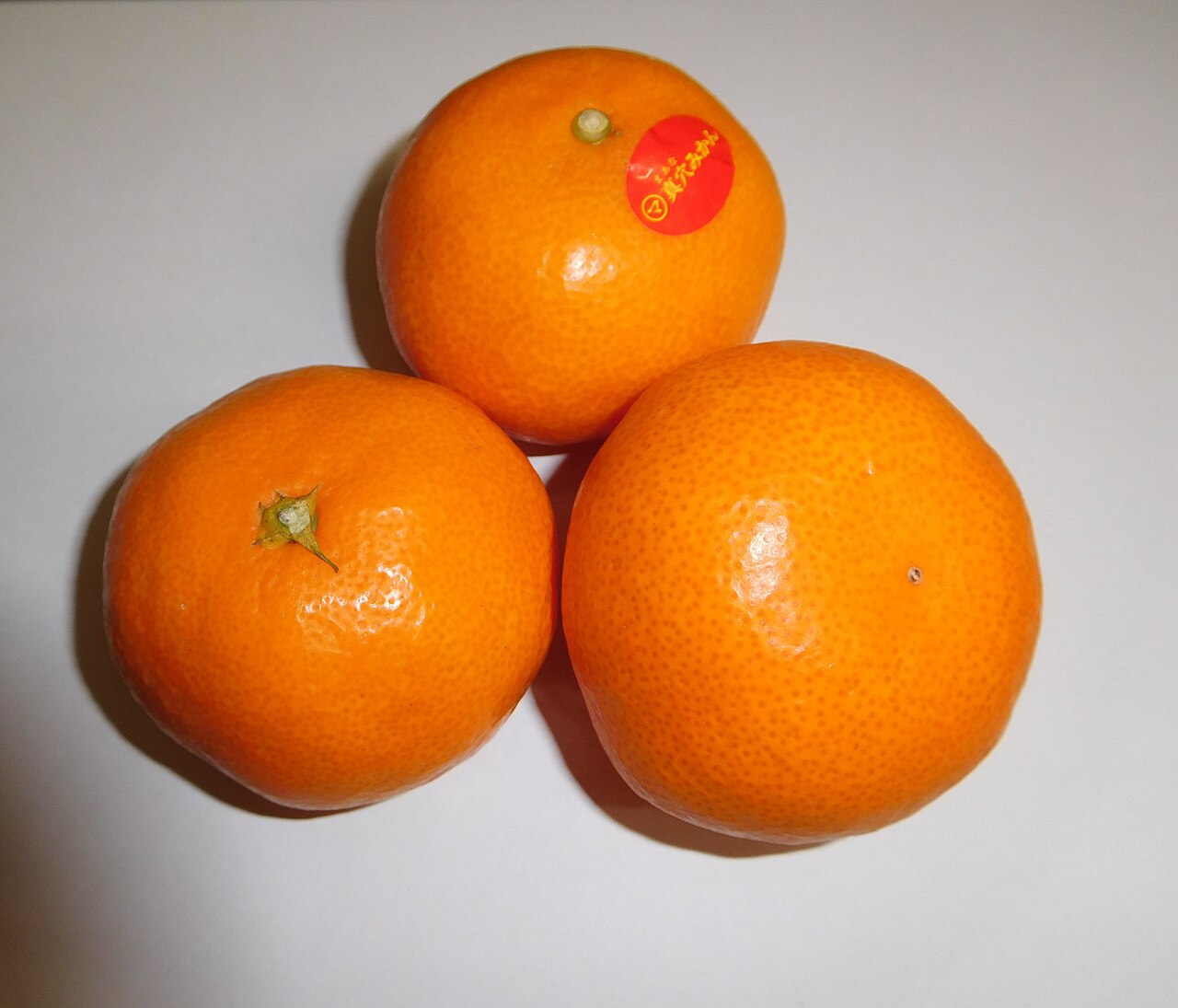
Ehime Mikan
Locally knownEhime Prefecture produces 20% of Japan's mikan (mandarin oranges), making citrus the region's defining agricultural prod…
 z tanuki / CC BY 3.0
Matsuyama Castle
Little knownMatsuyama Castle occupies the 132-meter summit of Mt. Katsuyama in central Matsuyama City, one of only twelve Japanese c…
Nanrakuen Garden
Locally knownNanrakuen is a traditional Japanese landscape garden built in 1688 for the lord of Matsuyama Domain, featuring seasonal…
 lienyuan lee / CC BY 3.0
Dogo Onsen Honkan
FamousDogo Onsen Honkan stands three stories tall in dark wood and white plaster, looking like a castle designed for bathing i…
สถานที่อื่น ๆ ในจังหวัดเอฮิเมะ
Kurushima Strait Tidal Cruise
Little knownThe Kurushima Strait is one of the three fastest tidal channels in Japan, alongside Naruto and Kanmon, and the current t…
 そらみみ / CC BY-SA 4.0
Oyamazumi Shrine
Locally knownOyamazumi is the head shrine of some ten thousand Mishima and Yamazumi shrines and the deity is the god of mountains, se…
Yusu Mizugaura Terraced Fields
Little knownThe Uwajima coast is a drowned ria shoreline — steep hills dropping straight into deep water, with almost no flat land.…