
หน้านี้ยังไม่ได้แปล จึงแสดงเป็นภาษาอังกฤษ
Kashihara Jingu Shrine
ค้นคว้าและเขียนโดย Hinato

Photo: Yoshio Kohara / Wikimedia Commons (CC BY 3.0) · original
Kashihara Jingu (橿原神宮) is a large Shinto shrine dedicated to Emperor Jimmu, Japan's legendary first emperor according to the Kojiki and Nihon Shoki chronicles. Mythology places Jimmu's accession in 660 BC at this location, establishing the imperial line. The shrine occupies a vast forested precinct (50 hectares) with gravel courtyards, towering cypress trees, and simple but massive shrine buildings showcasing Shinto architectural purity.
The shrine's Inner Worship Hall (relocated from Kyoto Imperial Palace in 1890) uses unpainted hinoki cypress — the wood's natural grain and fragrance create an atmosphere of austere elegance. The shrine is particularly busy during New Year (hatsumode, 1.3 million visitors) and National Foundation Day (February 11, celebrating Jimmu's mythical accession). The surrounding Kashihara Forest contains walking paths, seasonal flowers, and quiet sub-shrines. The shrine's historical significance (as symbol of imperial legitimacy) and physical scale make it one of Nara's most important Shinto sites.
ข้อมูลสำคัญ
เวลาเปิดทำการ
Shrine grounds: sunrise – sunset
วันหยุด: Shrine grounds open year-round; Treasure Hall has no regular closing days
ค่าเข้าชม
Shrine grounds: free | Treasure Hall: ¥300
ฤดูที่ดีที่สุด
Spring (April–May, cherry blossoms and wisteria) | February 11 (National Foundation Day ceremony) | Autumn (late November, foliage in shrine forest)
ระยะเวลาเที่ยวชม
60–90 minutes (shrine + forest walks)
การเดินทางไป
ข้อมูลการเดินทาง
คู่มือจากคนใน
สถานที่ใกล้เคียง
สถานที่ลับที่อยู่ใกล้ Kashihara Jingu Shrine มากที่สุด เรียงตามระยะทางเส้นตรง
 ภาพประกอบ (ไม่ใช่ภาพถ่าย)
Asuka Village
Little knownWhen you cycle through Asuka's rice paddies, granite boulders carved with geometric channels and stone slabs weighing 77…
Asuka-dera Temple
Little knownAsuka-dera (飛鳥寺) was Japan's first full-scale Buddhist temple, founded in 596 AD when Buddhism was still new to the arch…
 Naokijp / CC BY-SA 4.0
Yoshino Mikumari Shrine
Well knownYoshino Mikumari Shrine (吉野水分神社) is a Shinto shrine dedicated to Mikumari-no-Kami (水分神), the deity of water distribution…
 z tanuki / CC BY 3.0
Horyuji Temple
Well knownHoryuji (法隆寺) is a UNESCO World Heritage temple containing the world's oldest surviving wooden structures — the Main Hal…
 Uo3rt / CC BY-SA 4.0
Yoshino Kuzu Mochi
Little knownYoshino is Japan's premier producer of kuzu (葛, arrowroot starch), a plant-based starch extracted from kudzu vine roots…
 Nankou Oronain (as36… / CC BY-SA 3.0
Mount Yoshino
Well knownYoshino's 30,000 cherry trees bloom in four elevation zones called senbon (千本, 'thousand trees') — Shimo, Naka, Kami, an…
สถานที่อื่น ๆ ในจังหวัดนาระ
 helohelon / CC BY-SA 3.0
Kofukuji Temple
Well knownKofukuji (興福寺) is a UNESCO World Heritage temple founded in 669 AD as the clan temple of the powerful Fujiwara family, s…
 Kyu3a / CC BY-SA 4.0
Kakinoha-zushi
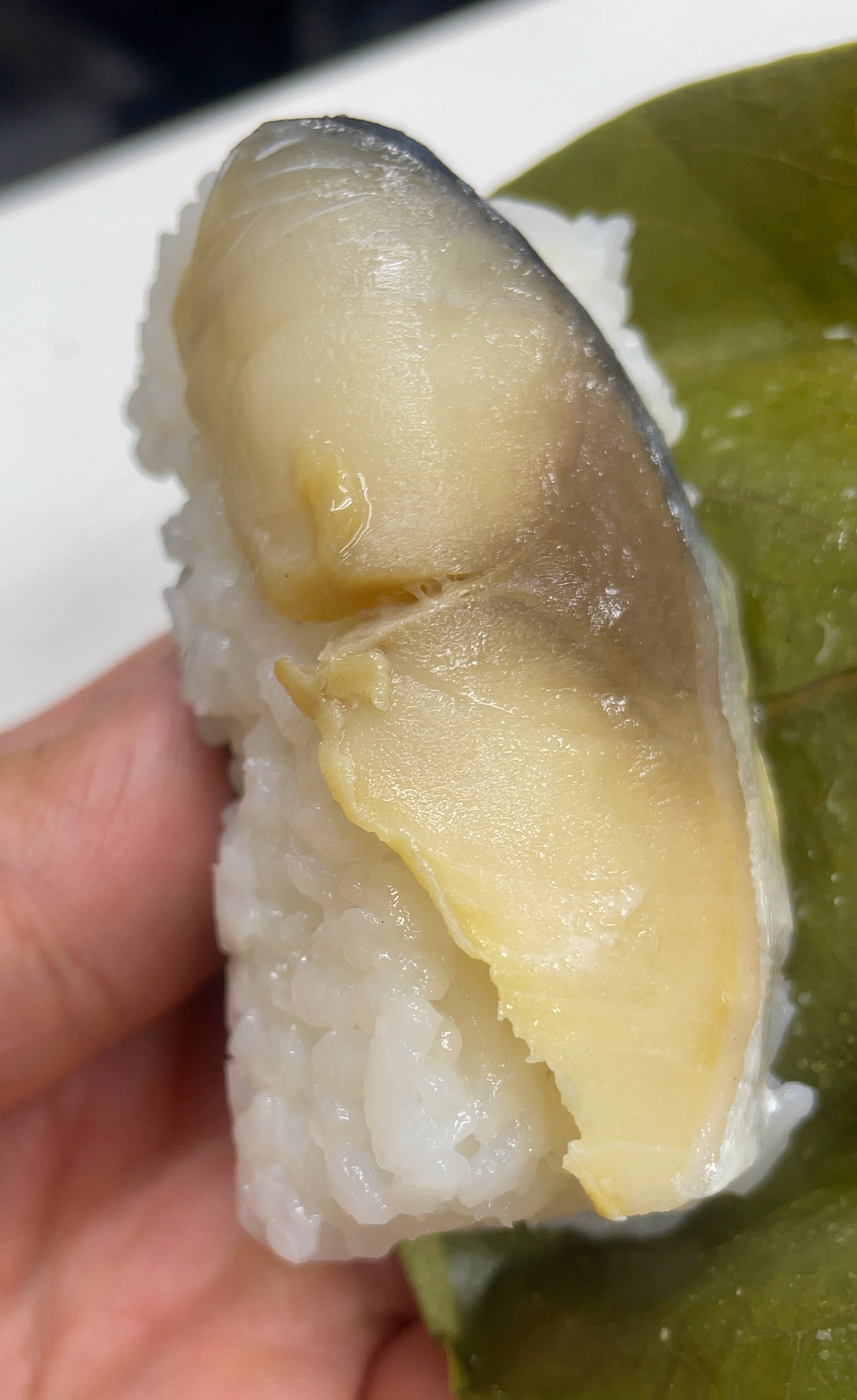
Locally knownKakinoha-zushi (柿の葉寿司) is Nara's signature pressed sushi: vinegared rice topped with mackerel, salmon, or sea bream, wra…
 くろふね / CC BY 3.0
Yakushiji Temple
Well knownYakushiji (薬師寺) is a UNESCO World Heritage temple founded in 680 AD, famous for its twin pagodas flanking the Main Hall…