
หน้านี้ยังไม่ได้แปล จึงแสดงเป็นภาษาอังกฤษ
Mt. Misen
ค้นคว้าและเขียนโดย Hinato

Photo: clear_and_sunny / Wikimedia Commons (CC BY 3.0) · original
Mt. Misen (弥山, 535 meters) has been Miyajima's spiritual anchor since 806, when Kobo Daishi spent 100 days meditating in a summit cave and declared the mountain's kami (spirits) were receptive to Buddhist teachings. He lit a fire for his rituals—allegedly the same fire still burning in Reikado Hall today, never extinguished in 1,218 years. Whether you believe the continuity or not, the flame is real, and watching it flicker in a sooty iron kettle while incense smoke curls through the dark hall feels ancient.
The ropeway (¥2,000 round-trip) does 80% of the climbing in 12 minutes across two legs—Momijidani base to Kayatani mid-station, swap gondolas, then Kayatani to Shishiiwa upper station. From Shishiiwa, you still climb 30 vertical meters over 500 meters of trail—stone steps, some steep, 15-20 minutes. The summit plaza has three observation decks stacked at different levels; the highest one gives 360-degree sight lines. On clear mornings (best September-November), you count 30+ islands in the Seto Inland Sea, Hiroshima City's buildings glinting 18 kilometers north, and on exceptional days, Shikoku's mountains 50 kilometers south. Haze builds by noon. Three hiking trails ascend from sea level—Momijidani Course (90 min, easiest grade), Daisho-in Course (100 min, steeper but passes 500 rakan statues), and Omoto Course (2 hours, the longest, least trafficked). All three converge 200 meters below the summit. Hikers report encountering wild boar piglets in spring; the sows are protective, so back away slowly if you see striped babies.
The mountain's religious layer runs deeper than the eternal flame alone. Scattered across the upper slopes are smaller halls, weathered stone markers, and boulders said to have been meditation spots for Kobo Daishi and generations of monks after him, each tied to its own minor legend that local guides recount differently depending on who's telling it. Miyajima's status as an island where death and childbirth were historically forbidden gave Mt. Misen an unusual role as the place where the island's spiritual weight concentrated most heavily, since the summit stood apart from the settled, everyday world below. That sense of separation is still tangible on the trail — the forest muffles sound from the town almost immediately after the first switchback, and the shift from souvenir shops and deer to old-growth trees and quiet stone halls happens within a matter of minutes, one of the more abrupt transitions from tourist bustle to genuine mountain solitude anywhere in the Seto Inland Sea region.
ข้อมูลสำคัญ
เวลาเปิดทำการ
Ropeway (Momijidani to Shishiiwa): 9:00 AM – 5:00 PM (Mar-Oct) | 8:00 AM – 5:00 PM (Nov) | 9:00 AM – 4:30 PM (Dec-Feb) | Hiking trails: 24/7 (no overnight hiking advised) | Reikado Hall (eternal flame): 9:00 AM – 5:00 PM
วันหยุด: Ropeway suspended in high winds (15+ m/s) — check website day-of (suspensions common Dec-Feb and typhoon season Aug-Sep) | Hiking trails always accessible
ค่าเข้าชม
Ropeway: ¥1,840 round-trip, ¥1,000 one-way | Hiking: free | Daisho-in Temple (base): free | Summit shrines (Reikado, Misen Hondo): free with offerings
ฤดูที่ดีที่สุด
Late October-early November (autumn foliage + clear skies) | April-early May (azalea blooms, fresh greenery, fewer crowds) | Avoid June (rainy season) and January-February (frequent ropeway closures)
ระยะเวลาเที่ยวชม
2-3 hours (ropeway round-trip + summit exploration) | 4-5 hours (hike up Daisho-in Course + ropeway down) | 5-6 hours (full hike up and down with all summit shrines)
การเดินทางไป
ข้อมูลการเดินทาง
การเดินทางและช่วงเวลาโดยละเอียด
สถานีที่ใกล้ที่สุด
Miyajima Island (car-free) — access via ferry from Miyajimaguchi Station (JR Sanyo Line) | Ropeway base at Momijidani is 10-min walk from Itsukushima Shrine
เวลาเดินทาง
From Hiroshima Station: 27 min via JR Sanyo Line to Miyajimaguchi + 10-min ferry to island + 10-min walk to ropeway base (total ~50 min) | From Hiroshima Airport: 90 min by express bus to Hiroshima + JR + ferry
วิธีเดินทางไป
Train + Ferry: JR Sanyo Line from Hiroshima Station to Miyajimaguchi Station (27 min, ¥420), then 10-min JR Ferry or Matsudai Ferry to Miyajima Island (¥180). From ferry terminal, walk 10 min along the island's main street past Itsukushima Shrine to Momijidani Park and ropeway base. Ropeway: Two-stage gondola from Momijidani to Shishiiwa upper station (12 min total, departs every 15 min). From Shishiiwa, 20-min trail walk to actual summit. Hiking alternative: Three trail options from island base (90-150 min ascent). Daisho-in Course most scenic; starts behind Daisho-in Temple.
ช่วงเวลาที่ควรไป
Weekday mornings (ropeway opens 9:00 AM) for minimum waits. Autumn weekends see 45-60 min ropeway queues — arrive at 9:00 AM opening or after 3:00 PM. Check weather forecast and ropeway suspension status before planning; morning visibility is best before maritime haze builds after noon.
เคล็ดลับเลี่ยงคนเยอะ
Ropeway queues peak 11:00 AM-1:00 PM on weekends and autumn foliage season. Weekday mornings are walk-on. The summit itself is rarely crowded; even when ropeway is busy, hikers who took trails often have summit areas to themselves. Avoid August school holiday crowds (mid-July to late August). The trail Daisho-in Course sees 10-20 hikers/day maximum year-round.
ข้อมูลที่จอดรถ
No cars on Miyajima Island. Mainland parking at Miyajimaguchi Station area: ¥1,000-1,500/day. Multiple paid lots within 5 min of ferry terminal. Ferry serves as only access to island.
คู่มือจากคนใน
จองที่พักใกล้เคียง
ค้นหาที่พักใกล้ Mt. Misen บนแพลตฟอร์มจองที่เชื่อถือได้เหล่านี้:
สถานที่ใกล้เคียง
สถานที่ลับที่อยู่ใกล้ Mt. Misen มากที่สุด เรียงตามระยะทางเส้นตรง
 z tanuki / CC BY 3.0
Itsukushima Shrine
FamousItsukushima Shrine (厳島神社) rebuilt in 1168 by Taira no Kiyomori, sits on stilts because Miyajima itself was considered to…
 Jakub Hałun / CC BY 4.0
Miyajima Island
FamousMiyajima (宮島), formally Itsukushima Island, is a sacred island in Hiroshima Bay revered since ancient times as a dwellin…
 東広島市 / CC BY-SA 4.0
Grilled Oysters (Kaki)
Locally knownHiroshima Prefecture produces over 60% of Japan's oysters (牡蠣, kaki), with the Seto Inland Sea's calm, nutrient-rich wat…
 ภาพประกอบ (ไม่ใช่ภาพถ่าย)
Momiji Manju
Locally knownMomiji manju (もみじ饅頭, 'maple leaf manju') is Hiroshima and Miyajima's iconic confection — small, maple leaf-shaped cakes…
Imose Falls
Little knownImose is two falls in one valley behind Ohgashira Shrine, named as a married pair: Otaki, the husband, drops 30 metres i…
Shirunashi Tantanmen
Locally knownSoupless dandan noodles are a Hiroshima invention of 2001. The owner of a small shop called Kisaku had eaten the dish in…
สถานที่อื่น ๆ ในจังหวัดฮิโรชิมะ
 ภาพประกอบ (ไม่ใช่ภาพถ่าย)
Joge White Wall Street
Little knownJoge sat on the Sekishu road between the Sea of Japan side and the Inland Sea, and in the Edo period it was made a shogu…
 Lumi iori / CC BY-SA 3.0
Saijo Sakagura Street
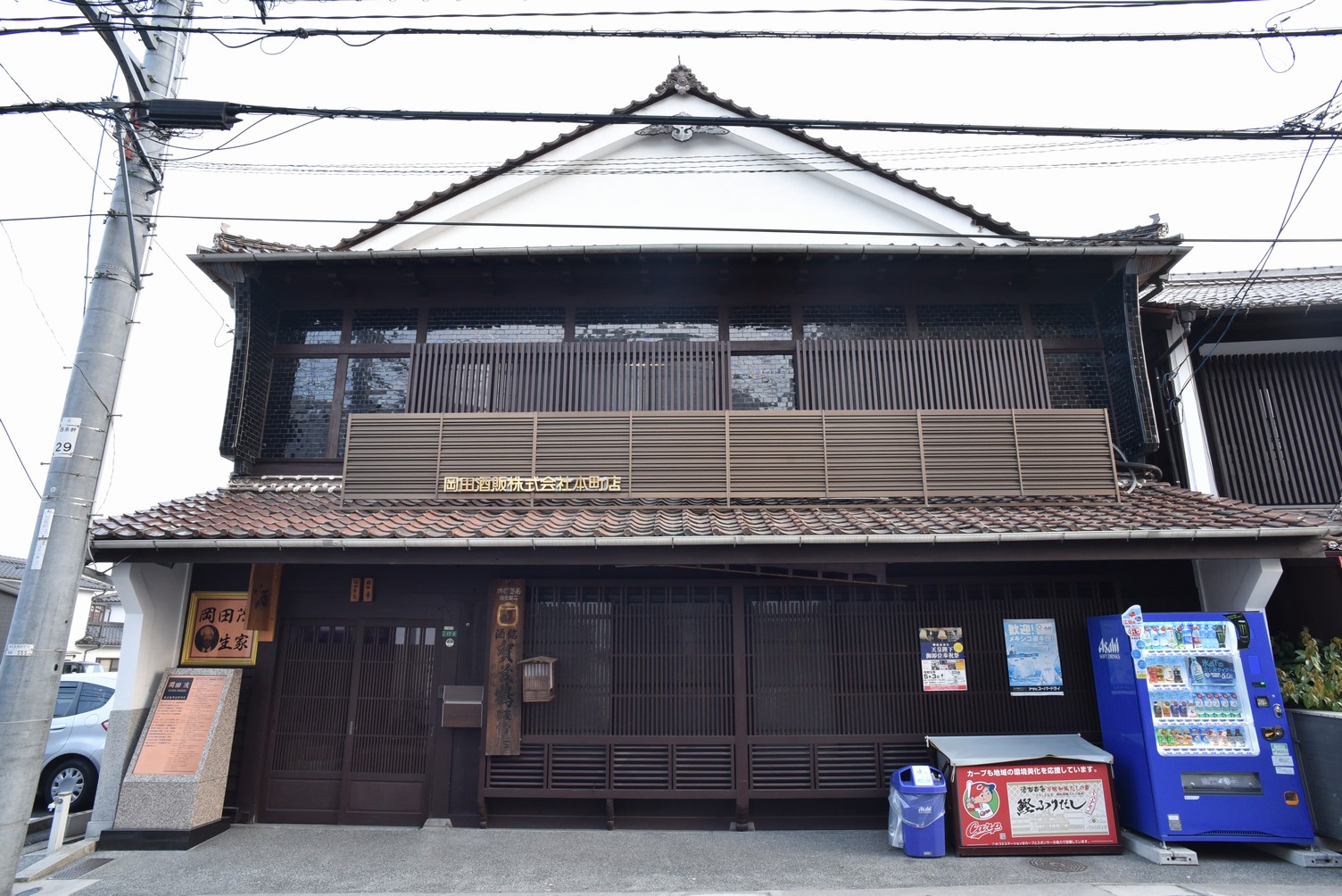
Little knownSaijo is named alongside Fushimi in Kyoto and Nada in Hyogo as one of the three great sake districts of Japan, and unlik…
 世羅人 / CC BY-SA 4.0
Sera Kogen Flower Farms
Little knownThe Sera plateau sits at around four hundred metres in the middle of Hiroshima, on soil that suits flowers better than m…