目前所有 Premium 內容對所有人免費開放,無需會員資格。
Fudoki Japan
首頁/山形縣/Zao/Gassan Ski Resort

本頁尚未翻譯,暫以英文顯示。

Gassan Ski Resort

Little knownBarely documented in English. This is the kind of place the site exists for.

調查與撰寫

summer skiingbackcountryMt. Gassansacred mountaincorn snow
Gassan Ski Resort

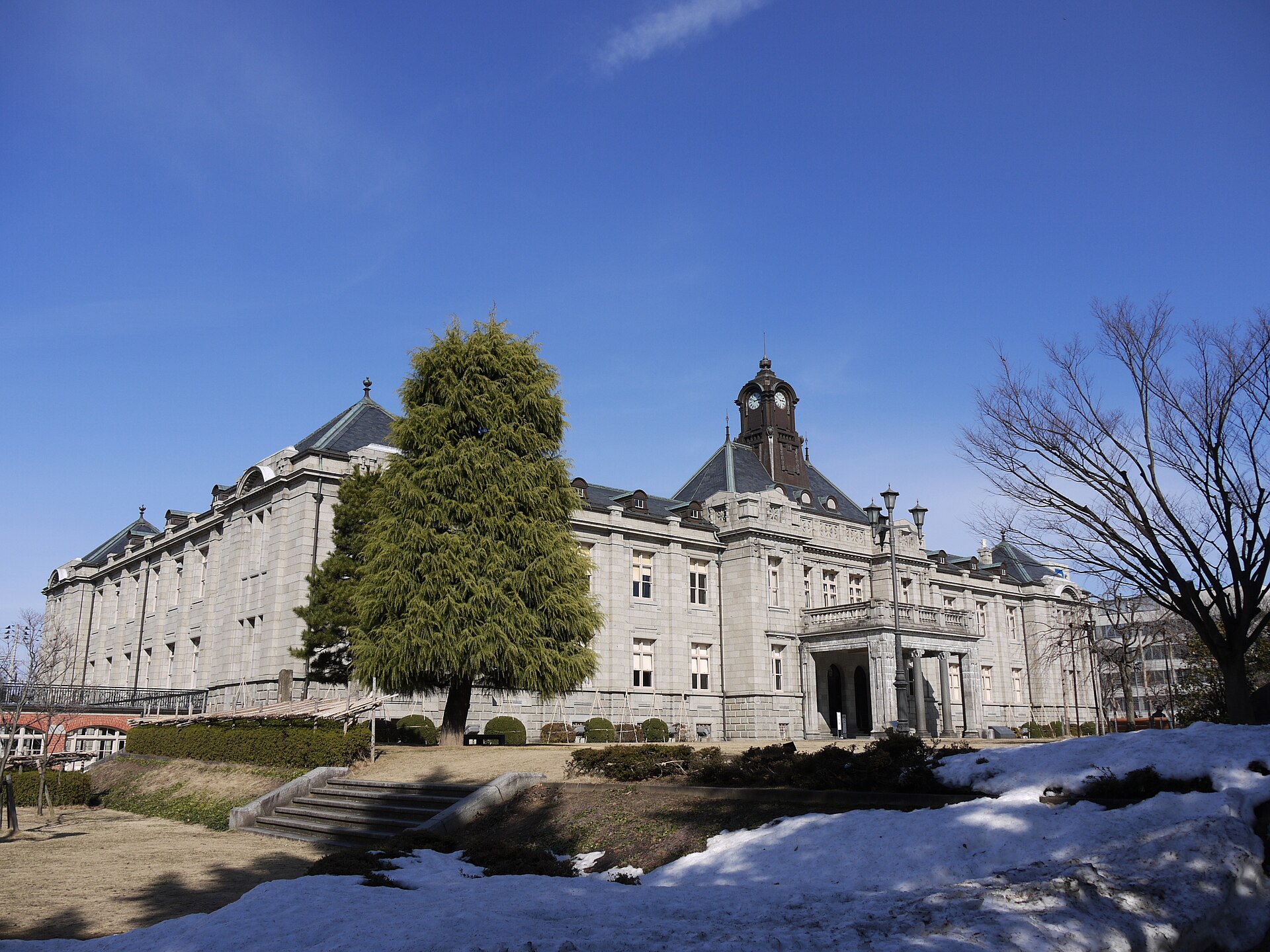
Photo: Raita Futo from Tokyo, Japan / Wikimedia Commons (CC BY 2.0) · original

Mt. Gassan (月山, Moon Mountain, 1,984m) is one of the three sacred mountains of Dewa Sanzan and Japan's only ski resort where summer skiing is better than winter. Due to extreme snowfall (over 10 meters annually) and the mountain's high altitude, the ski season runs April-July, with peak conditions in May-June when most Japanese resorts are closed. The upper slopes retain deep spring snow while lower elevations bloom with alpine flowers, creating the surreal experience of skiing in T-shirt weather with 20°C temperatures and intense sun. The ski area is ungroomed and informal — no high-speed lifts, minimal facilities, and a pilgrimage atmosphere since Gassan remains an active religious site. Skiers must pass through a shrine gate and receive a ritual blessing before accessing the upper slopes. The skiing attracts hardcore enthusiasts seeking late-season powder, backcountry access, and the novelty of carving turns while wearing shorts.

基本資訊

如何前往

交通資訊

Mt. Gassan, Nishikawa Town. 2-hour drive from Yamagata City. Ski season: late April-late July (depends on snowpack). Lift access: 9:00-15:00. Day lift ticket: ¥4,500. Rental equipment available but limited selection. Access road (Gassan Skyline) opens late April; check road status before visiting. No accommodation at mountain; stay in Zao Onsen or Gassan area minshuku (farm-stay lodgings).

在地私房情報

**Summer skiing conditions:** Gassan snow in May-June is 'corn snow' — firm in morning, softening to slush by afternoon as sun warms the surface. Optimal skiing: 9:00-12:00 when snow has softened slightly but retains structure. By 14:00, the snow becomes heavy and sticky. The upper bowls hold better snow longer due to altitude and north-facing aspect. Bring high-SPF sunscreen (50+) and glacier glasses — UV reflection off snow at 1,800m elevation causes sunburn and snow blindness within 30 minutes of unprotected exposure. **Backcountry access:** Gassan is renowned for sidecountry and backcountry skiing beyond the lift-accessed area. The leeward slopes hold untracked powder even in late May. Backcountry access requires: avalanche safety gear (beacon, probe, shovel), navigation skills (GPS and paper maps — cell service is unreliable), and physical fitness (bootpacking uphill in thin air is exhausting). Do NOT attempt backcountry solo; hire a local guide through Gassan Ski School (¥15,000/day for small group). Avalanche risk persists through June. **Shrine protocol:** Before riding the lift, skiers pass through the torii gate and may receive a blessing from shrine attendants (optional but traditional). Photography inside the shrine buildings is prohibited. The summit houses Gassan Shrine (月山神社), a major pilgrimage destination — you'll encounter religious pilgrims alongside skiers. Maintain respectful behavior; loud music or boisterous conduct is inappropriate. **Practical realities:** Gassan is primitive compared to modern ski resorts: the single lift is a slow fixed-grip chair, the base lodge has basic cafeteria food (curry rice, ramen), and the parking lot is gravel. The appeal is authentic mountain experience rather than resort amenities. The skier demographic skews toward older Japanese enthusiasts (40-60s) who remember pre-development Japanese skiing. Expect traditional mountain culture: onigiri lunches, thermoses of tea, cautious skiing style. **Post-skiing onsen:** The mountain base has no onsen, but a drive away is Oami Onsen (大網温泉, ¥600), a no-frills public bath with milky sulfate spring water — perfect for post-ski soak. The onsen is basic (concrete tubs, minimal facilities) but the water quality is excellent and the mountain views sublime.

鄰近景點

距離Gassan Ski Resort最近的私房景點,依直線距離排序。

Mt. Haguro Five-Story Pagoda — location in Yamagata, Tsuruoka
Yamagata
~18 km
Yamagata· Tsuruoka

Mt. Haguro Five-Story Pagoda

Locally known

The Mt. Haguro Five-Story Pagoda is a 29-meter tall wooden pagoda standing in a primeval cedar forest, considered one of…

pagodaNational Treasurecedar forest+2
Dewa Sanzan掬茶 / CC BY-SA 4.0
~18 km
Yamagata· Tsuruoka

Dewa Sanzan

Well known

Dewa Sanzan (出羽三山, 'Three Mountains of Dewa') comprises Mt. Haguro, Mt. Gassan, and Mt. Yudono — three sacred peaks that…

sacred mountainspilgrimageShugendo+2
Mogami River Boat Rideブルーノ・プラス / CC BY 4.0
~23 km
Yamagata· Yamagata City

Mogami River Boat Ride

Little known

The Mogami River is one of Japan's three most rapid rivers, flowing 224km from the mountains of southern Yamagata to the…

river cruiseboat rideboatmen songs+2
Atsumi Onsen — location in Yamagata, Yamagata City
Yamagata
~35 km
Yamagata· Yamagata City

Atsumi Onsen

Little known

Atsumi Onsen is a small hot spring village along the Atsumi River (a tributary of the Mogami River) from Yamagata City.…

onsenryokanriverside+2
Tendo Shogi PiecesGorilla Jones / CC BY-SA 4.0
~37 km
Yamagata· Tendo

Tendo Shogi Pieces

Little known

Tendo City produces over 90% of Japan's shogi pieces (将棋, Japanese chess), a craft tradition dating to the Edo period wh…

shogichess piecestraditional crafts+2
Kajo ParkRaita Futo from Tokyo, Japan / CC BY 2.0
~42 km
Yamagata· Yamagata City

Kajo Park

Little known

Kajo Park occupies the site of Yamagata Castle, once one of the largest feudal castles in the Tohoku region. Built in th…

castle ruinsparkcherry blossoms+2

更多山形縣的景點