
本頁尚未翻譯,暫以英文顯示。
Isonokami Jingu Shrine
調查與撰寫 Hinato

Isonokami Jingu (石上神宮) is one of Japan's oldest Shinto shrines, established in the 4th century as a repository for sacred swords and military regalia of the Yamato court. The shrine's deity is Futsunomitama (布都御魂, the kami residing in a legendary sword), and historically the shrine served as an armory for Japan's ancient rulers. The Main Hall houses National Treasure swords including the Shichishito (七支刀, 'Seven-Branched Sword'), a ceremonial blade gifted from Korea in 369 AD.
The shrine is famous for its free-roaming chickens (30+ birds) that wander the grounds — the chickens are considered sacred messengers (tsukai) of the shrine's kami. Visitors can interact with the chickens, which are remarkably tame and photogenic. The shrine's forest setting, ancient cedar trees, and sacred chickens create a mystical, fairy-tale atmosphere. Unlike Nara Park's deer, Isonokami's chickens are a well-kept secret — the shrine receives far fewer tourists despite being easily accessible from Nara City.
基本資訊
營業時間
Shrine grounds: sunrise – sunset | Treasure House: typically 9:00 AM – 4:00 PM
公休: Open year-round
門票
Shrine grounds: free | Treasure House: ¥500
最佳季節
Year-round for sacred chickens | Spring (March–May, early morning for most active chickens + blossoms)
建議停留
45–60 minutes
如何前往
交通資訊
在地私房情報
鄰近景點
距離Isonokami Jingu Shrine最近的私房景點,依直線距離排序。
Nara-machi Koshi-no-ie
Locally knownNaramachi Koshi-no-ie (奈良町格子の家) is a preserved Edo Period machiya (merchant townhouse) opened as a free museum showing t…
 示意插圖(非實景照片)
Gangoji Temple
Well knownGangoji (元興寺) is one of Nara's Seven Great Temples and Japan's oldest temple, originally founded in 588 AD in Asuka befo…
 Benh LIEU SONG from Torcy, France / CC BY-SA 2.0
Ukimido Pavilion
Well knownUkimido (浮見堂, 'Floating Pavilion') is a hexagonal pavilion built on stilts over Sagi-ike Pond in Nara Park's southern ar…
 示意插圖(非實景照片)
Nara Hotel
Locally knownThe Nara Hotel opened in 1909 when the Meiji government decided Japan needed Western-style luxury hotels to host foreign…
 helohelon / CC BY-SA 3.0
Kofukuji Temple
Well knownKofukuji (興福寺) is a UNESCO World Heritage temple founded in 669 AD as the clan temple of the powerful Fujiwara family, s…
 くろふね / CC BY 3.0
Nara National Museum
Locally knownNara National Museum (奈良国立博物館) is Japan's premier museum for Buddhist art, housing over 2,000 Buddhist sculptures, paint…
更多奈良縣的景點
 Kyu3a / CC BY-SA 4.0
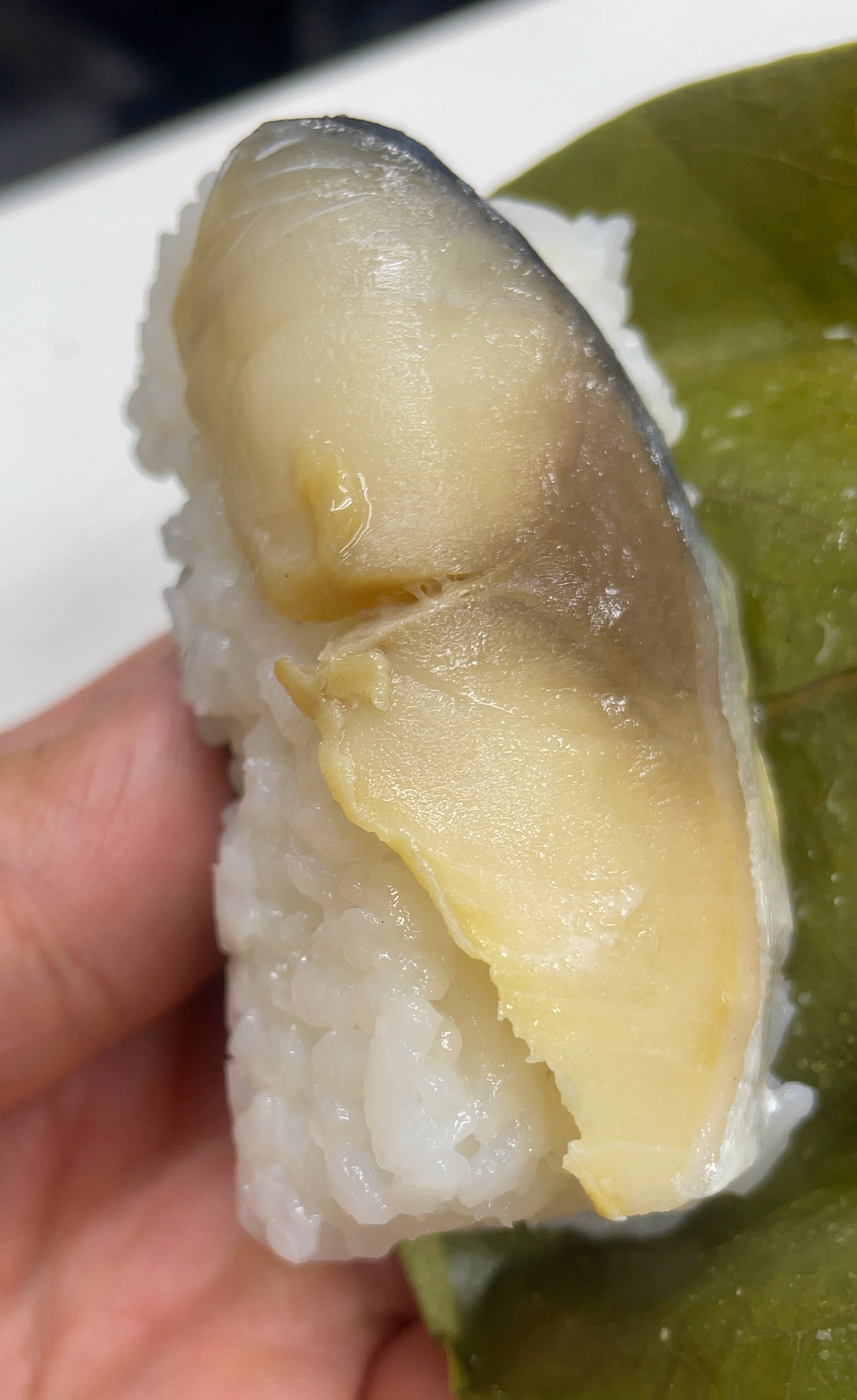
Kakinoha-zushi
Locally knownKakinoha-zushi (柿の葉寿司) is Nara's signature pressed sushi: vinegared rice topped with mackerel, salmon, or sea bream, wra…
 示意插圖(非實景照片)
Asuka Village
Little knownWhen you cycle through Asuka's rice paddies, granite boulders carved with geometric channels and stone slabs weighing 77…
 z tanuki / CC BY 3.0
Horyuji Temple
Well knownHoryuji (法隆寺) is a UNESCO World Heritage temple containing the world's oldest surviving wooden structures — the Main Hal…