
Esta página aún no ha sido traducida y se muestra en inglés.
Hamamatsu Music Box Museum
Investigado y escrito por Hinato

Photo: Ariga / Wikimedia Commons (CC BY-SA 4.0) · original
Hamamatsu Museum of Musical Instruments (浜松市楽器博物館) houses 1,300+ musical instruments from around the world, spanning ancient bone flutes to modern synthesizers. The collection emphasizes diversity — Asian gamelan orchestras, African drums, European harpsichords, Middle Eastern ouds, and South American panpipes. Hamamatsu is home to Yamaha and Kawai piano manufacturers, and the museum reflects the city's musical instrument industry heritage.
Visitors can view instruments through transparent displays showing internal mechanisms, listen to recordings of each instrument via headphones, and experience historical keyboard instruments (harpsichord, fortepiano, early pianos) through staff demonstrations. The museum also houses one of the world's largest collections of music boxes and mechanical instruments — automated orchestrions, player pianos, and elaborate automaton scenes that combine music with moving figures.
Información esencial
Horario
9:30 AM – 5:00 PM
Cerrado: 2nd and 4th Wednesdays of each month
Entrada
¥800 adults | Audio guide ¥200 (recommended)
Mejor temporada
Year-round (indoor museum)
Duración de la visita
90–120 minutes (with audio guide) | 45–60 minutes (without)
Cómo llegar
Información de acceso
Hamamatsu Museum of Musical Instruments: Near Hamamatsu Station. Entry: ¥800, 9:30–17:00, closed 2nd/4th Wed. Instrument demonstrations: 13:30 daily (free with entry, 20 min, various instruments rotated). Audio guides: ¥200 (available in English, provides context for instruments). Visit duration: 90–120 minutes. Nearby: Act City Hamamatsu (adjacent tower with observation deck, ¥500).
Guía privilegiada
Collection highlights: European keyboard collection includes 18th-century harpsichords, fortepianos (Mozart-era early pianos), and Cristofori-style early pianos showing evolution of keyboard technology. Asian collection features complete Indonesian gamelan orchestra (bronze percussion instruments), Japanese shakuhachi flutes, Chinese guqin zithers, and Indian sitars. The automated instrument section is unexpectedly fascinating — 19th-century orchestrions (self-playing mechanical orchestras using pinned cylinders or perforated paper) that play complex multi-instrument compositions.
Audio guide value: The English audio guide (¥200) is strongly recommended — instruments are labeled but explanations are minimal without the guide. The audio includes: historical context (when/where invented, cultural significance), sound samples (hear the instrument played), and technical explanations (how sound is produced). Budget 90–120 minutes if using audio guide; skimming without guide takes 45–60 minutes but misses significant context.
Hamamatsu music industry: Yamaha founded here in 1887 (originally reed organ manufacturer), Kawai in 1927, Roland electronic instruments in 1972. The city produces 70% of Japan's pianos and significant portion of world's electronic keyboards. The museum's 4th floor covers this industrial history — showing factory scenes, prototype instruments, and evolution from handcraft to mass production. For instrument nerds, this local industry context adds depth.
Lugares cercanos
Los lugares secretos más cercanos a Hamamatsu Music Box Museum, por distancia en línea recta.
Hamamatsu Gyoza
Little knownHamamatsu is one of Japan's two gyoza capitals (alongside Utsunomiya in Tochigi Prefecture), and local gyoza style empha…
 Wei-Te Wong from Taipei City, Taiwan, Republic of China / CC BY-SA 2.0
Unagi no Kabayaki
Little knownHamamatsu is Japan's eel capital, producing 40% of the nation's farmed unagi (freshwater eel) from Lake Hamana's brackis…
 SUN / CC BY 4.0
Hamamatsu Sand Dunes
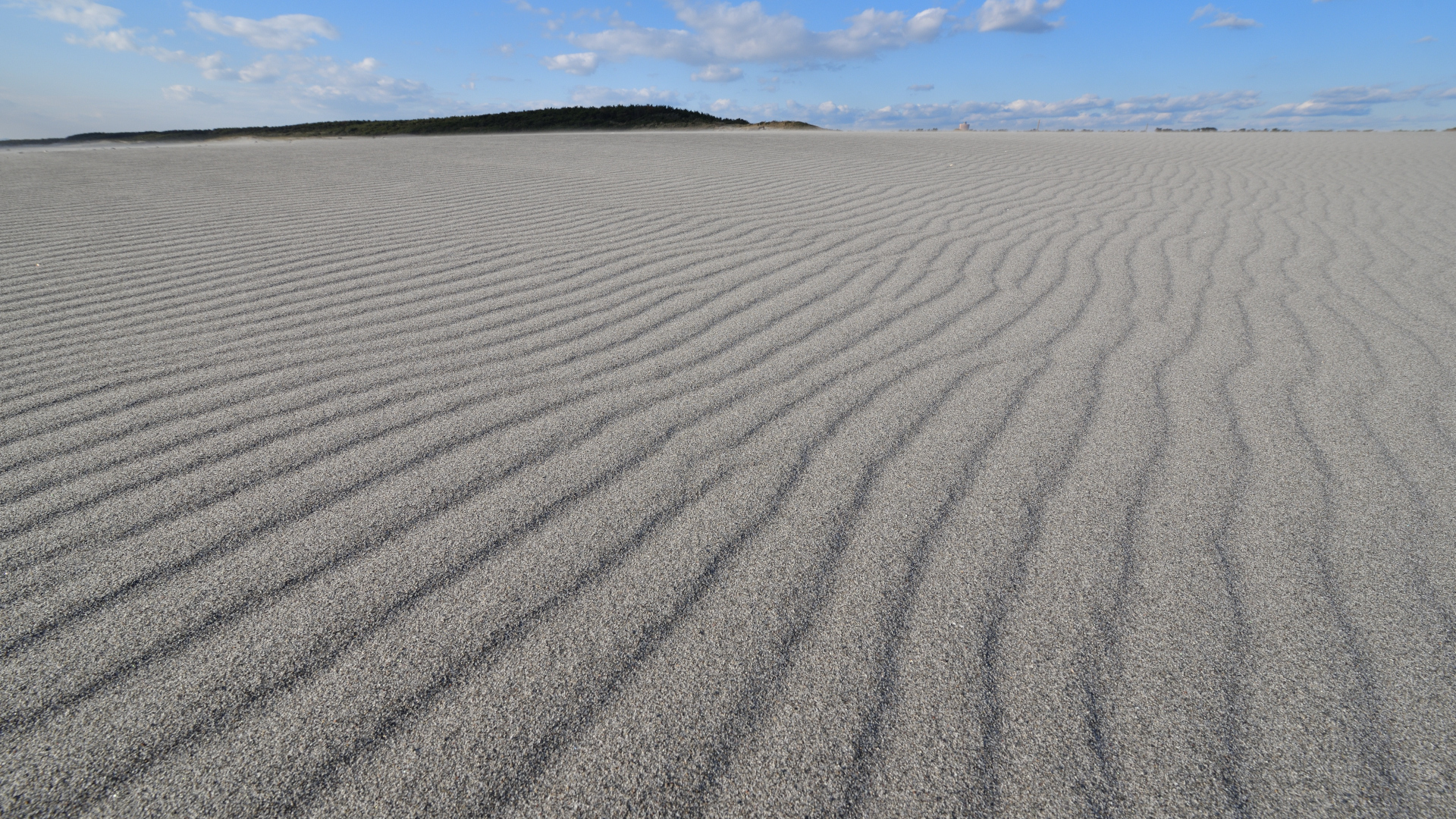
Little knownNakatajima Sand Dunes (中田島砂丘) are Japan's three largest coastal sand dunes, stretching 4km along the Pacific coast with…
 Hunini / CC BY-SA 4.0
Hamamatsu Air Base Festival
Little knownHamamatsu Air Base (浜松基地) is Japan Air Self-Defense Force's (JASDF) largest air base, home to the Blue Impulse aerobatic…
 Dr.yellow / CC BY-SA 4.0
Lake Hamana Eel Farming
Little knownLake Hamana (浜名湖) is Japan's eel farming center, producing 40% of the nation's farmed unagi (freshwater eel) using tradi…
 Bariston / CC BY-SA 4.0
Gamagori Laguna Ten Bosch
Little knownLaguna Ten Bosch (ラグーナテンボス) is a seaside resort complex in Gamagori combining a theme park (Lagunasia), hot spring facil…
Más en Prefectura de Shizuoka
 Kentaro Ohno さん https://www.flickr.com/photos/inucara/ / CC BY 2.0
Numazu Deep Sea Aquarium
Little knownNumazu Deep Sea Aquarium (沼津港深海水族館) specializes in deep-sea marine life from Suruga Bay, one of Japan's deepest bays (ma…
 Mayuno / CC BY-SA 3.0
Fuji Safari Park
Well knownFuji Safari Park (富士サファリパーク) is a 74-hectare drive-through wildlife park at the base of Mt. Fuji where visitors observe…
 KΛNΛTΛ / CC BY-SA 3.0
Sunpu Castle Park
Little knownSunpu Castle (駿府城) was Tokugawa Ieyasu's retirement residence after he passed the shogunate to his son in 1605. Ieyasu g…