
Esta página aún no ha sido traducida y se muestra en inglés.
Unagi no Kabayaki
Investigado y escrito por Hinato

Photo: Wei-Te Wong from Taipei City, Taiwan, Republic of China / Wikimedia Commons (CC BY-SA 2.0) · original
Hamamatsu is Japan's eel capital, producing 40% of the nation's farmed unagi (freshwater eel) from Lake Hamana's brackish waters. The city's signature dish is unagi no kabayaki (うなぎの蒲焼き) — butterflied eel grilled over charcoal, basted with sweet soy-based tare sauce, and served over rice as unadon (bowl) or unajū (lacquered box). The preparation requires precise technique: steaming to remove excess fat, grilling to crisp skin while keeping flesh moist, and applying tare at exact intervals to build caramelized glaze without burning.
Hamamatsu eel restaurants range from 100-year-old establishments with multi-generation recipes to modern chains. The traditional serving style uses unajū (lacquered box with multiple compartments) — eel on rice in main section, liver soup and pickles in side compartments. Premium grades include extra-thick eel (特上, tokujo) and wild-caught (天然, tennen) which is increasingly rare and expensive.
Información esencial
Horario
11:00 AM – 2:00 PM, 5:00 PM – 8:00 PM (lunch and dinner service)
Cerrado: Varies by restaurant | Many closed 1–2 days/week; call ahead
Entrada
Free | Unadon ¥2,000–2,800 | Unajū ¥3,000–5,500
Mejor temporada
Year-round (avoid late July — Doyo no Ushi no Hi brings extreme crowds)
Duración de la visita
1–2 hours
Cómo llegar
Información de acceso
Guía privilegiada
Lugares cercanos
Los lugares secretos más cercanos a Unagi no Kabayaki, por distancia en línea recta.
Hamamatsu Gyoza
Little knownHamamatsu is one of Japan's two gyoza capitals (alongside Utsunomiya in Tochigi Prefecture), and local gyoza style empha…
 Ariga / CC BY-SA 4.0
Hamamatsu Music Box Museum
Little knownHamamatsu Museum of Musical Instruments (浜松市楽器博物館) houses 1,300+ musical instruments from around the world, spanning anc…
 Hunini / CC BY-SA 4.0
Hamamatsu Air Base Festival
Little knownHamamatsu Air Base (浜松基地) is Japan Air Self-Defense Force's (JASDF) largest air base, home to the Blue Impulse aerobatic…
 SUN / CC BY 4.0
Hamamatsu Sand Dunes
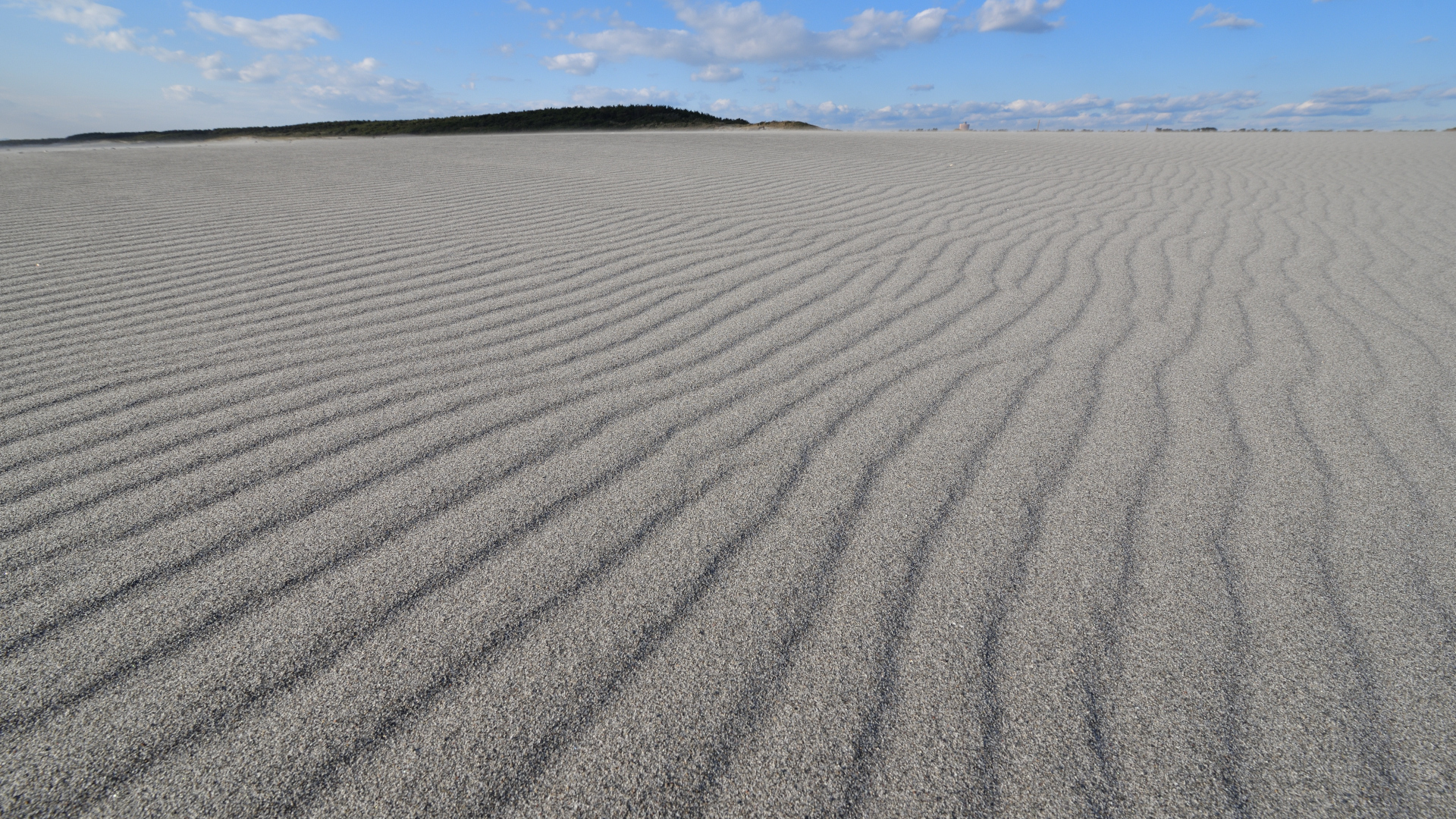
Little knownNakatajima Sand Dunes (中田島砂丘) are Japan's three largest coastal sand dunes, stretching 4km along the Pacific coast with…
 Dr.yellow / CC BY-SA 4.0
Lake Hamana Eel Farming
Little knownLake Hamana (浜名湖) is Japan's eel farming center, producing 40% of the nation's farmed unagi (freshwater eel) using tradi…
 Bariston / CC BY-SA 4.0
Gamagori Laguna Ten Bosch
Little knownLaguna Ten Bosch (ラグーナテンボス) is a seaside resort complex in Gamagori combining a theme park (Lagunasia), hot spring facil…
Más en Prefectura de Shizuoka
Izu Wasabi Farms
Little knownThe Amagi Mountains region of Izu is Japan's premium wasabi-growing area, producing 30% of the nation's fresh wasabi (本わ…
 Ilustración: no es una fotografía
Kadowaki Suspension Bridge
Well knownKadowaki Suspension Bridge (門脇吊橋) is a 48-meter-long suspension bridge spanning 23 meters above the Pacific Ocean at Jog…
 Ilustración: no es una fotografía
Shizuoka Matcha Experience
Little knownShizuoka grows 40% of Japan's green tea, which means doing a matcha ceremony here is like learning to make cheese in Wis…