
Esta página aún no ha sido traducida y se muestra en inglés.
Ichigoni Soup
Investigado y escrito por Hinato
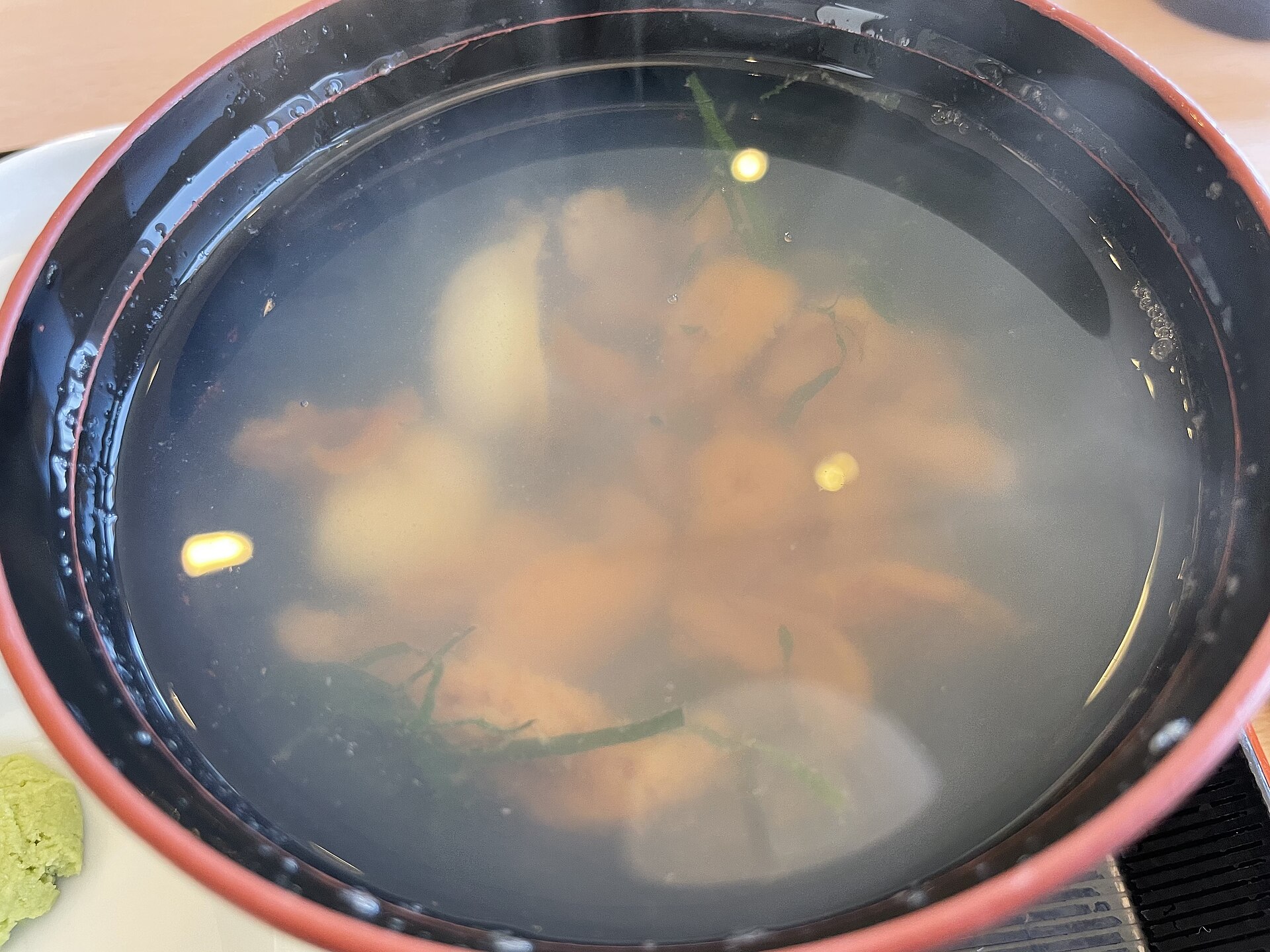
Photo: Totti / Wikimedia Commons (CC BY-SA 4.0) · original
Ichigoni (いちご煮) is Aomori's most luxurious soup, combining sea urchin (uni) and abalone in a clear dashi broth, served in traditional lacquerware bowls. The name 'ichigoni' (strawberry stew) comes from the visual resemblance of golden uni pieces floating in clear broth to wild strawberries in morning dew. This poetic name reflects the dish's delicate beauty and high status — ichigoni is served at celebrations, New Year gatherings, and special occasions.
The soup's simplicity belies its difficulty: the broth must be perfectly clear (cloudiness is a failure), the uni must be fresh enough to hold shape without dissolving, and the abalone must be tender (not chewy). The combination of uni's creamy sweetness and abalone's oceanic minerality creates a flavor unique to Aomori's coastal cuisine. Sake is the traditional accompaniment, enhancing the umami richness.
Ichigoni is available year-round at high-end restaurants in Hachinohe (the dish's birthplace) and Aomori City, but summer (June-August) is peak season for both uni and abalone. Canned ichigoni is sold as a premium souvenir (¥2,000-3,000 per can), allowing visitors to bring home a taste of Aomori's ocean.
Información esencial
Horario
Varies by restaurant — confirm before visiting
Cerrado: Varies by restaurant (many close 1-2 days per week; confirm when reserving)
Entrada
¥2,500–4,500 per ichigoni set | Canned souvenir: ¥2,000–3,000
Mejor temporada
June–August (peak fresh uni and abalone harvest)
Duración de la visita
45-90 minutes per restaurant
Cómo llegar
Información de acceso
Guía privilegiada
Lugares cercanos
Los lugares secretos más cercanos a Ichigoni Soup, por distancia en línea recta.
 z tanuki / CC BY 3.0
Furukawa Market
Well knownFurukawa Market (古川市場) in Hachinohe is a bustling covered market specializing in nokkedon (のっけ丼) — the interactive 'buil…
 くろふね / CC BY 4.0
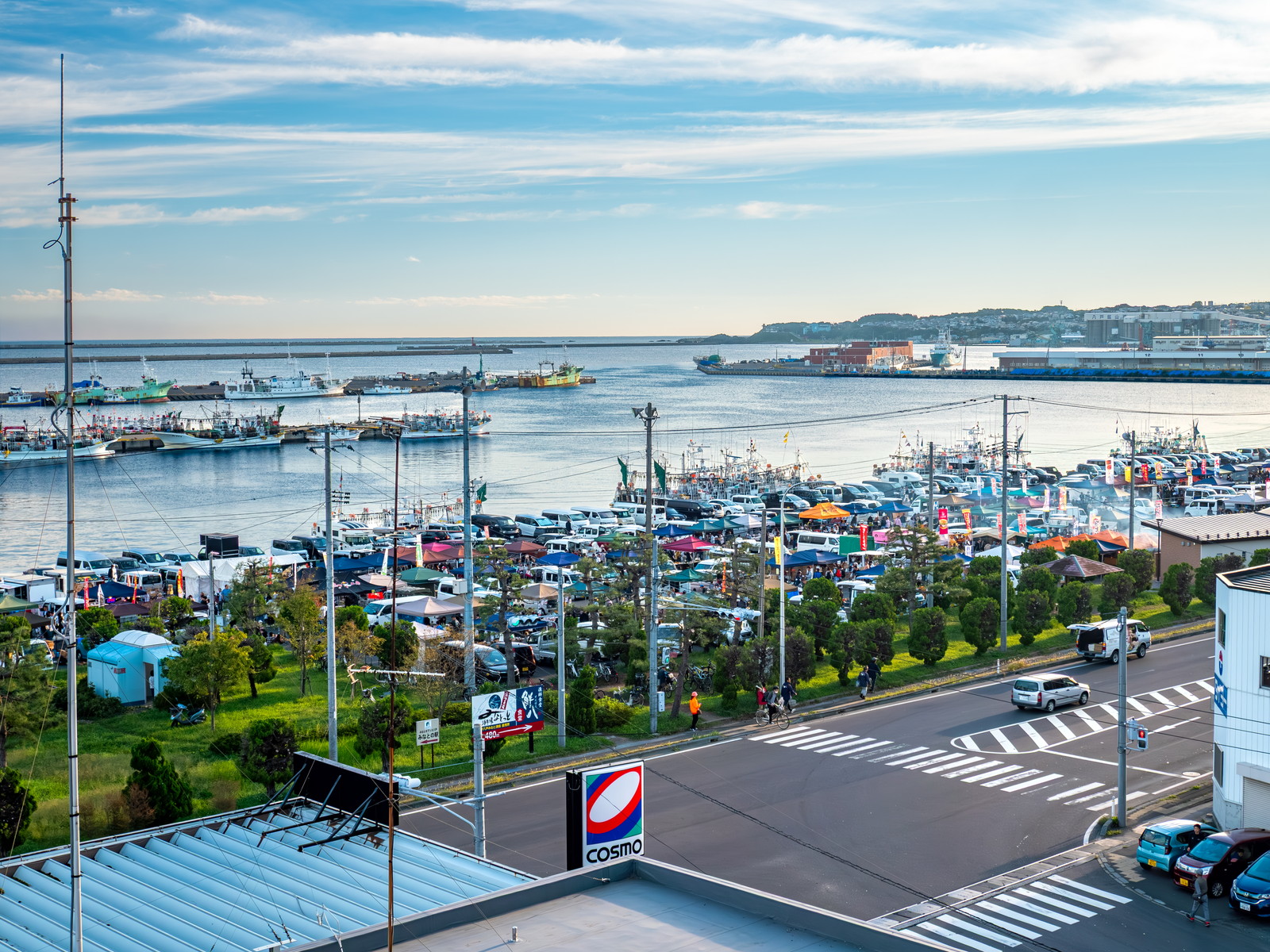
Tatehana Wharf Morning Market
Little knownEvery Sunday from March to December, more than three hundred stalls set up on a quay in Hachinohe fishing port and run f…
 Gfievet / CC BY-SA 4.0
Tanesashi Coast
Little knownThe unusual thing about Tanesashi is that the grass runs to the rocks. Natural turf — grazed by horses for centuries, wh…
 chinnian from Singapore / CC BY-SA 2.0
Towada Art Center
Little knownTowada is a small city on the Aomori plain laid out on a grid by the Meiji government, and in 2008 it did something unus…
Goshono Jomon Site
Well knownGoshono was a large village of the middle Jomon period, occupied from roughly 5,000 to 4,200 years ago, and in July 2021…
Mamebu
Little knownMamebu is a dumpling of wheat dough wrapped around walnut and black sugar, boiled and served in a clear soy-based broth…
Más en Prefectura de Aomori
Oma Tuna
Little knownOma is the northern tip of Honshu, a small town on the Tsugaru Strait, and its tuna sells for more than any other tuna i…
 掬茶 / CC BY-SA 4.0
Fujita Memorial Garden
Little knownFujita Kenichi was born in Hirosaki, went to Tokyo, became the first chairman of the Japan Chamber of Commerce and Indus…
Aji no Sapporo Onishi
Little knownMiso curry milk ramen is exactly what it says: a miso base, curry powder, milk, and a pat of butter on top, with bean sp…