
Esta página aún no ha sido traducida y se muestra en inglés.
Yamagata Cherries
Investigado y escrito por Hinato

Photo: Qwert1234 / Wikimedia Commons (CC BY-SA 4.0) · original
Yamagata Prefecture produces 70% of Japan's cherry crop, earning its designation as the nation's cherry capital. The signature variety is Sato-Nishiki (佐藤錦), a large, deep-red cherry with sweet flavor and crisp texture developed in Yamagata in 1912. Cherry picking farms throughout Yamagata offer tabehoudai (all-you-can-eat) experiences during harvest season (late May-early July) where visitors receive a basket and 30-60 minutes to pick and eat unlimited cherries directly from the trees. The experience combines orchard beauty — perfectly aligned cherry trees with clusters of glossy red fruit — with the intense sweetness of sun-warmed cherries eaten seconds after picking. Top farms provide rain covers over the trees, allowing picking even during rain. Many farms also offer cherry-based products: cherry juice, cherry jam, dried cherries, and cherry soft-serve ice cream.
Información esencial
Horario
Farms typically open 9:00 AM – 5:00 PM during picking season; hours vary by farm — confirm before visiting
Cerrado: Outside picking season (late May–early July); individual farms may close on weekdays — check ahead
Entrada
¥1,500–2,500 for 40-minute tabehoudai (all-you-can-eat picking); no extra charge for cherries eaten on-site
Mejor temporada
Late May–early July; peak mid-June when Sato-Nishiki are at their sweetest and multiple varieties overlap
Duración de la visita
1.5–2 hours (picking session plus farm shop browsing)
Cómo llegar
Información de acceso
Guía privilegiada
Lugares cercanos
Los lugares secretos más cercanos a Yamagata Cherries, por distancia en línea recta.
 U-D.I.E. / CC BY-SA 4.0
Yamagata Imoni
Little knownImoni (芋煮) is Yamagata's signature autumn comfort food — a hot pot stew made with taro root (satoimo), beef, konjac, gre…
Yamagata Hina Dolls
Little knownThe Hina Matsuri (雛祭り, Girls' Day or Doll Festival) on March 3rd is celebrated throughout Japan, but Yamagata takes spec…
 Nesnad / CC BY 4.0
La France Pears
Little knownLa France pears (ラ・フランス) are a French pear variety that thrives in Yamagata's climate, producing fruit with exceptional…
 Ippukucho / CC BY 3.0
Bunshokan
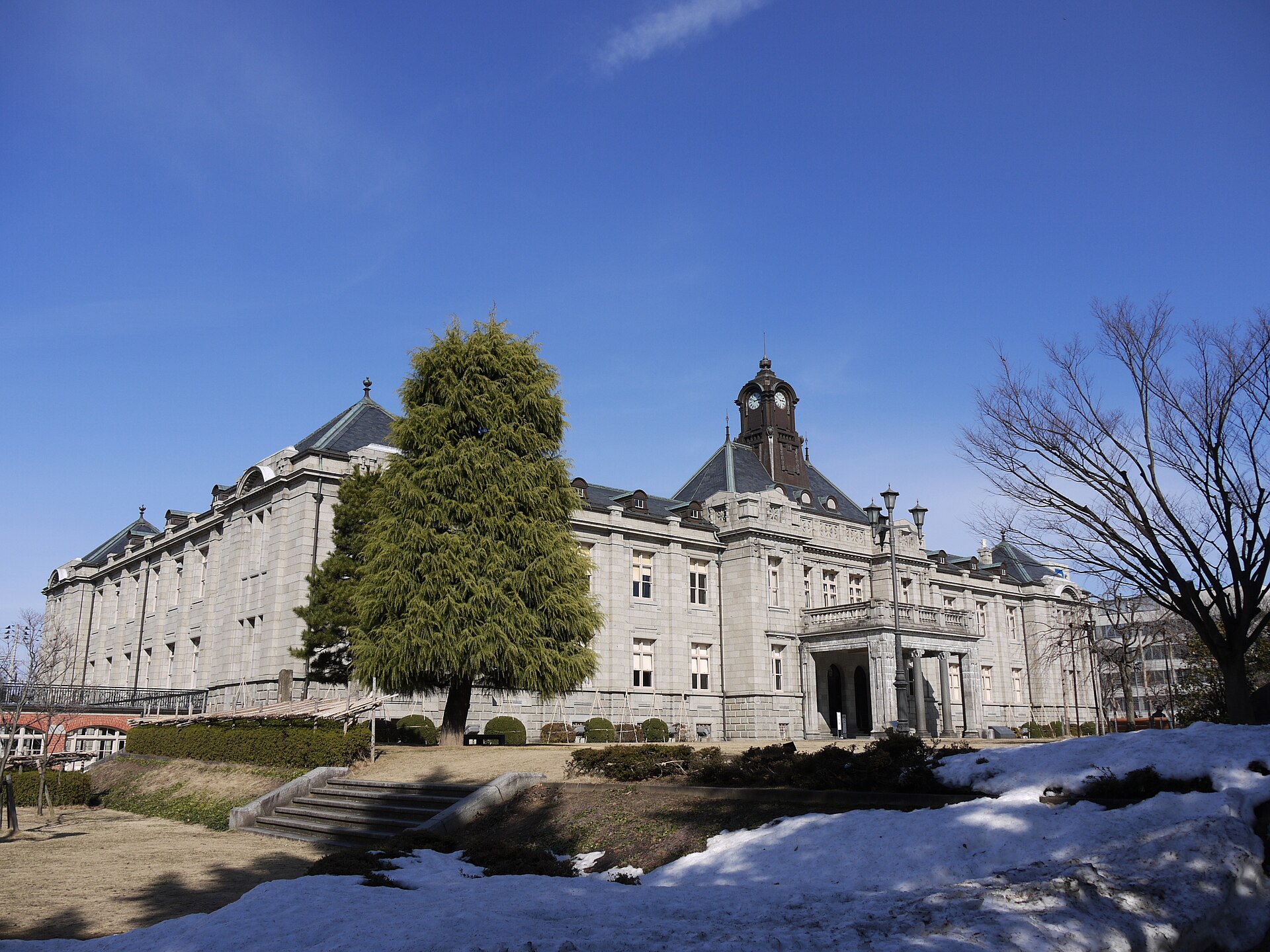
Little knownThe Bunshokan (文翔館) is a Western-style brick building constructed in 1916 to serve as the Yamagata Prefectural Office an…
 Raita Futo from Tokyo, Japan / CC BY 2.0
Kajo Park
Little knownKajo Park occupies the site of Yamagata Castle, once one of the largest feudal castles in the Tohoku region. Built in th…
Yamagata Beef
Little knownYamagata beef is one of Japan's elite wagyu brands, produced from Japanese Black cattle raised in Yamagata's clean mount…
Más en Prefectura de Yamagata
Atsumi Onsen
Little knownAtsumi Onsen is a small hot spring village along the Atsumi River (a tributary of the Mogami River) from Yamagata City.…
 Ilustración: no es una fotografía
Yamadera (Risshakuji Temple)
Well knownYamadera hangs on a volcanic cliff north of Yamagata City, its halls and pagodas built directly into the rock face 417 m…
 Suz-b / CC BY-SA 3.0
Zao Snow Monsters (Juhyo)
FamousAt 1,600 meters on Mt. Zao, Siberian wind hits moisture from the Sea of Japan and does something strange to the Maries f…