
Cette page n'a pas encore été traduite et s'affiche en anglais.
Heijo Palace Site
Recherche et rédaction Hinato

Photo: Roman SUZUKI / Wikimedia Commons (CC BY 3.0) · original
Heijo Palace (平城宮跡, Heijo-kyo) was the imperial palace during Nara's time as Japan's capital (710–784 AD), occupying 120 hectares in northern Nara. The palace complex contained the emperor's residence, government offices, and ceremonial halls. After the capital moved to Kyoto, the palace was dismantled and the site returned to farmland.
Several palace buildings have been reconstructed based on excavation findings: the Suzaku Gate (朱雀門, the palace's massive main gate, 25m wide and 20m tall, rebuilt 1998), the Daigokuden (大極殿, Great Audience Hall, rebuilt 2010), and section of the East Palace Garden. The reconstructions use 8th-century techniques (no nails, wooden joinery, cypress construction) to demonstrate Nara Period architecture. The site is now a UNESCO World Heritage park with museums displaying excavated artifacts. Walking the vast grounds with reconstructed buildings and grassy fields creates a sense of the capital's former scale.
Informations essentielles
Horaires d'ouverture
Palace grounds: open 24/7 (free) | Daigokuden interior: 9:00 AM – 4:30 PM (last entry 4:00 PM)
Fermé: Daigokuden and Museum: closed Mondays (or following day if national holiday)
Tarif d'entrée
Palace grounds: free | Daigokuden interior: free | Heijo Palace Museum: free
Meilleure saison
Spring (early April, cherry blossoms lining Suzaku Gate approach) | Autumn (October, cosmos flowers on grounds) | Year-round
Durée de visite
1.5–2 hours (grounds + Daigokuden + museum)
Comment s'y rendre
Informations d'accès
Guide d'initié
Lieux à proximité
Les lieux secrets les plus proches de Heijo Palace Site, par distance à vol d'oiseau.
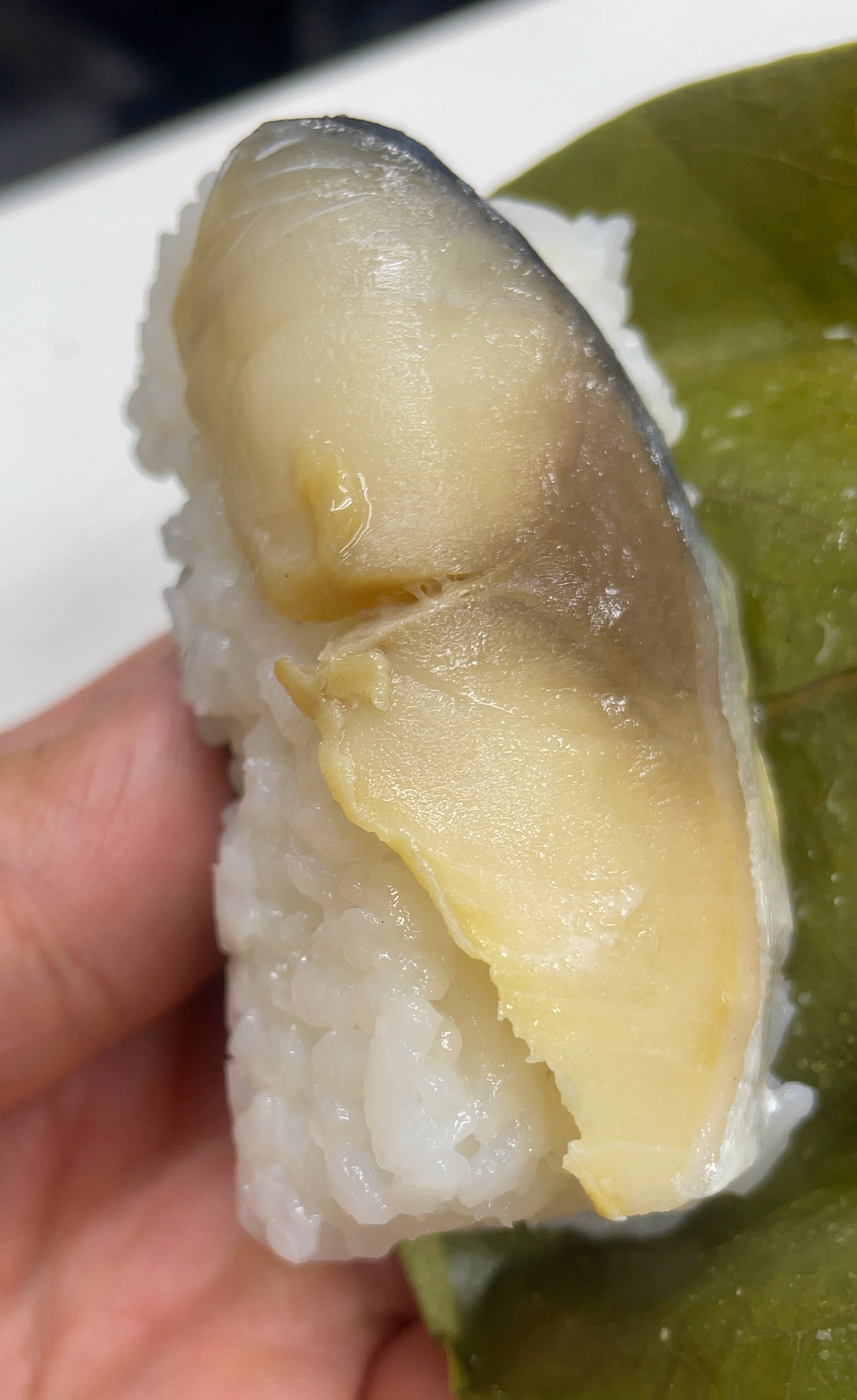 Kyu3a / CC BY-SA 4.0
Kakinoha-zushi
Locally knownKakinoha-zushi (柿の葉寿司) is Nara's signature pressed sushi: vinegared rice topped with mackerel, salmon, or sea bream, wra…
 daniel julià lundgren from barcelona, catalonia / CC BY-SA 2.0
Narazuke Pickles
Locally knownNarazuke (奈良漬) are vegetables pickled in sake kasu (酒粕, sake lees — the fermented rice solids left after sake brewing),…
Nara Sake
Locally knownNara is the birthplace of sake brewing's key innovations — monks at Shoryakuji Temple (菩提山正暦寺) invented the bodaimoto me…
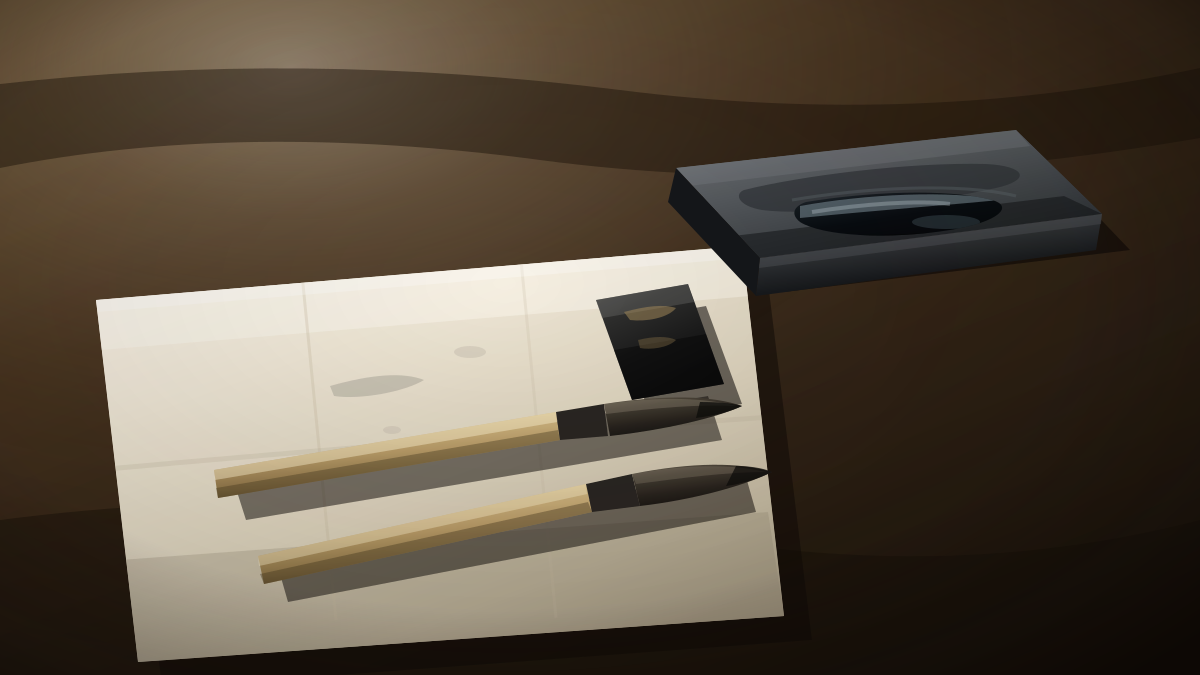 Illustration — il ne s'agit pas d'une photographie
Nara Sumi Ink & Fude Brushes
Locally knownNara produces 90% of Japan's traditional sumi ink (墨, solid ink sticks) and is a major center for fude (筆, calligraphy b…
 Illustration — il ne s'agit pas d'une photographie
Day Trip to Nara
Locally knownNara, Japan's capital from 710–794 CE, is from Osaka by train and offers one of Japan's best day trips. The city's main…
 663highland / CC BY 2.5
Toshodaiji Temple
Well knownWhen the Chinese monk Jianzhen finally reached Japan in 754 AD after five shipwrecks, pirate attacks, and twelve years a…
Plus de lieux à Préfecture de Nara
 z tanuki / CC BY 3.0
Horyuji Temple
Well knownHoryuji (法隆寺) is a UNESCO World Heritage temple containing the world's oldest surviving wooden structures — the Main Hal…
 くろふね / CC BY 3.0
Yakushiji Temple
Well knownYakushiji (薬師寺) is a UNESCO World Heritage temple founded in 680 AD, famous for its twin pagodas flanking the Main Hall…
 Benh LIEU SONG from Torcy, France / CC BY-SA 2.0
Ukimido Pavilion
Well knownUkimido (浮見堂, 'Floating Pavilion') is a hexagonal pavilion built on stilts over Sagi-ike Pond in Nara Park's southern ar…