
Morioka Sansa Odori
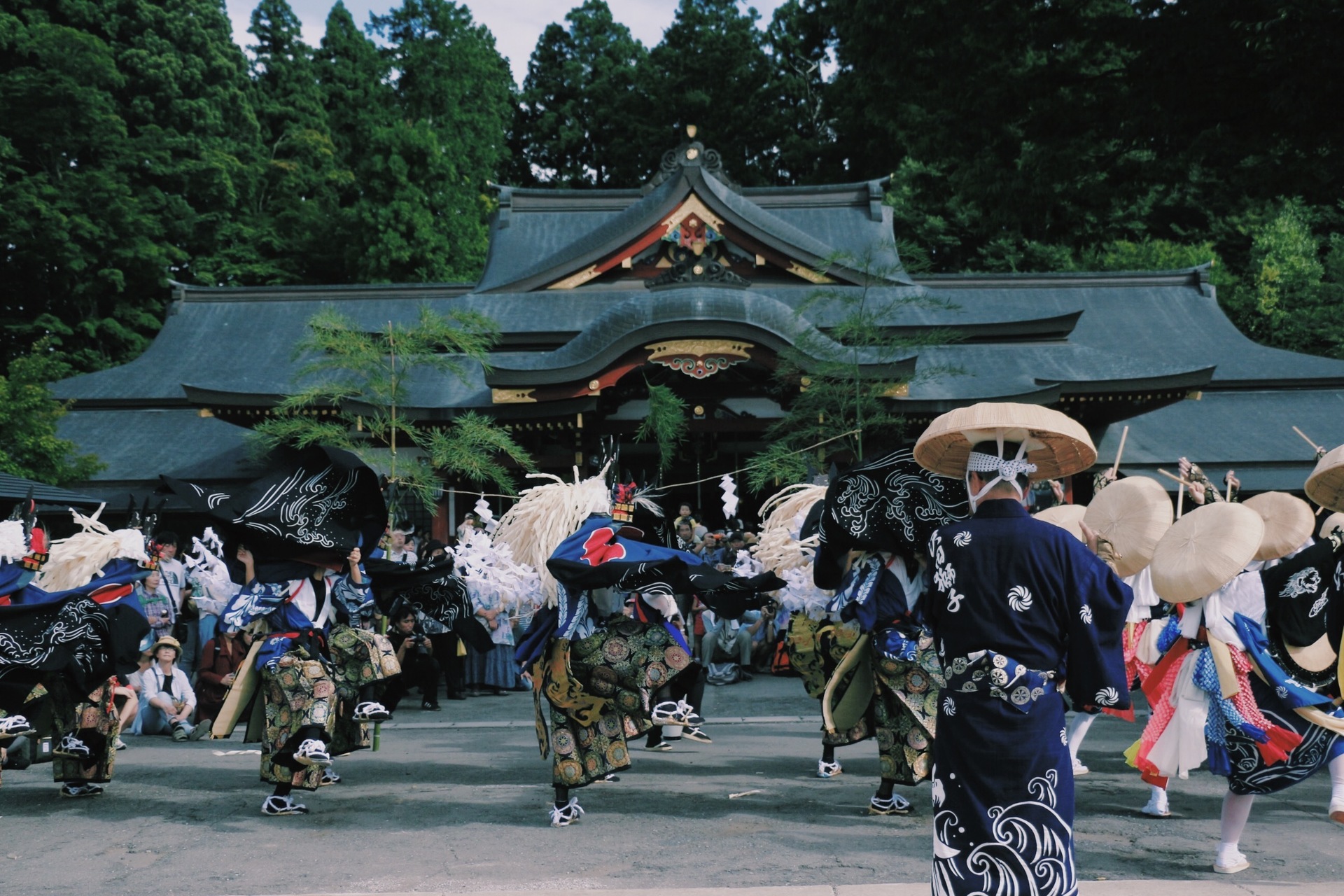
Photo: Cygnus_morioka / Wikimedia Commons (CC BY 4.0)
Morioka Sansa Odori is one of Tohoku's greatest summer festivals, held August 1–4 annually. The festival features mass taiko drum parades through downtown Morioka, with over 3,500 drummers and 30,000 dancers participating each evening. The parade stretches 700 meters along the main street, with groups performing synchronized drum routines and traditional Sansa dance. The festival holds the Guinness World Record for the largest Japanese taiko drum ensemble (achieved in 2014 with 3,437 simultaneous drummers). The Sansa dance is Morioka's traditional folk dance, featuring simple steps that spectators are encouraged to join. The parade occurs 18:00–21:00 nightly, transforming the city center into a sea of red happi coats, massive taiko drums, and chanting crowds. The rhythm is hypnotic and the energy infectious. The final night features mass participation where anyone can join the dancing.
Essential Information
Opening Hours
Festival dates: August 1–4 annually | Final night (August 4) mass participation from 8:00 PM
Closed: Festival occurs only August 1–4 | No rain cancellation — parades continue in light rain with waterproof coverings | Heavy rain may affect performance quality
Entrance Fee
Sidewalk viewing: free (arrive 60–90 min early for front spots) | Paid seating: ¥3,000–¥5,000 (advance tickets, guaranteed view) | Food stalls: ¥500–¥1,500 per item
Best Season
August 1–4 only (fixed annual dates) | Final night (August 4) for mass participation dancing | Hotels book out months ahead — reserve by June
Visit Duration
3 hours for parade viewing (6:00–9:00 PM) | Add dinner at food stalls: arrive by 5:00 PM | Combine with full daytime Morioka itinerary (castle ruins, noodles) for a complete day
Getting There
Access Information
Insider Guide
Nearby Spots
The closest hidden gems to Morioka Sansa Odori, by straight-line distance.
Nambu Tekki
Nambu Tekki (南部鉄器) is traditional iron casting craft originating in Morioka during the 17th century, producing iron teap…

Morioka Castle Ruins
Morioka Castle (盛岡城跡公園, now Iwate Park) was built in the early 17th century by the Nanbu clan, who ruled the Morioka Dom…
Pairon
Jajamen is one of the three noodle dishes Morioka is known for and it is the strangest. Flat warm noodles arrive with a…
Iwate Bank Red Brick Building
Tatsuno Kingo designed Tokyo Station, and this is the only building of his left standing in the Tohoku region. It was co…

Fukuda Pan
Fukuda Pan has been making koppepan — a soft split bread roll — since 1948, originally supplying school lunches, and it…

Morioka Reimen
Morioka Reimen is one of Morioka's 'Three Great Noodles' — cold buckwheat noodles in icy beef broth, topped with kimchi,…
More in Iwate
Goshono Jomon Site
Goshono was a large village of the middle Jomon period, occupied from roughly 5,000 to 4,200 years ago, and in July 2021…
Kitayamazaki
Kitayamazaki is eight kilometres of cliff on the Sanriku coast, two hundred metres straight down to the water, and it is…
Goishi Coast
The Goishi coast runs about six kilometres around the end of the Massaki peninsula and is named for the beach of flat bl…