
Free Attractions in Japan — Budget Travel Guide
Japan's reputation for expense is exaggerated. These 17 attractions cost ¥0 to enter yet deliver experiences equal to paid sites — shrine grounds with centuries of history, observation decks with Tokyo Tower views, and markets where browsing is as entertaining as buying. Budget travel doesn't mean compromising on quality when these free options exist.
This is the only list on the site with a hard, objective entry condition: the recorded admission fee for the place must be zero. That comes straight from the fee field on each spot page, so the qualifying set is a filter rather than an opinion — and it is worth being clear that the filter is doing the coarse work and judgement is doing the rest.
Free is not the same as cheap, which is the failure mode this list is built to avoid. A shrine with no entry fee at the end of a ¥3,000 round trip is not a budget attraction, and ranking purely on the fee field would fill the list with places that are free to enter and expensive to reach. So the ordering weighs the total cost of the visit: entries near the top are free to enter and cheap or trivial to get to, typically walkable from a station a traveller is already passing through. That single adjustment is what makes the list usable by the person it is for.
The second adjustment is duration. A free attraction that occupies twenty minutes is worth less to a traveller managing a budget than one that fills an afternoon, because the constraint being solved is not only money but the hours between paid activities. Places that reward a long, unhurried visit rank higher than places that are a photograph and a walk back to the station.
A specific caution about what "free" covers, since this is where such lists mislead. Shrine and temple grounds in Japan are frequently free to enter while an inner hall, treasure house or garden inside them charges separately; where an entry works that way, the reason note says which part is free. Nothing here is free only on certain days, and no entry depends on a promotion or a pass.
The limitation to know about: fees are the fastest-moving fact on any spot page, and a place that was free when this list was last revised can introduce a charge without notice. Check the spot page's own sources before building a day around a zero, and tell us when one has changed.
Last revised . No visitor numbers, review scores or user votes are used.
Why #1?
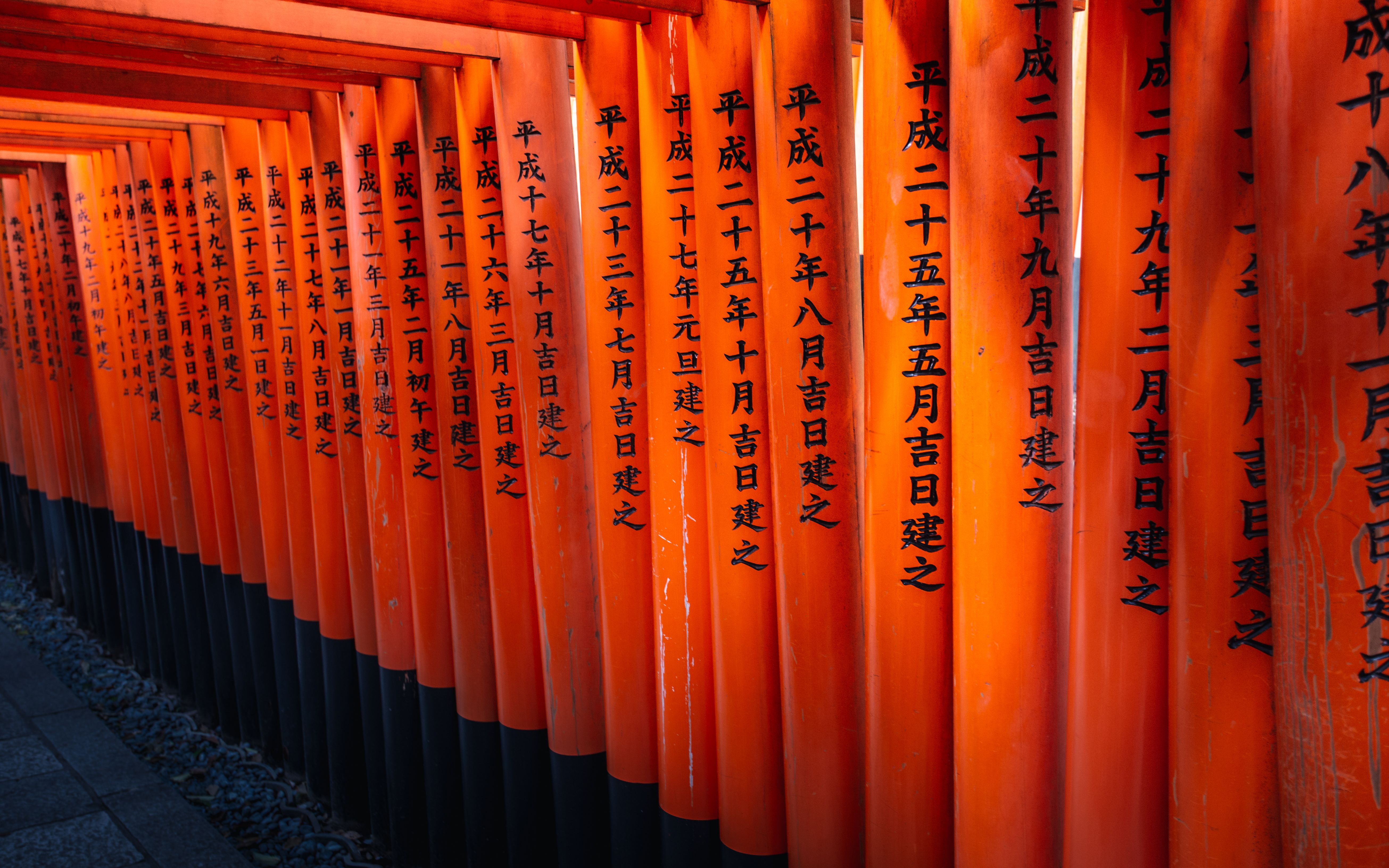
The 10,000 torii gates are free and open 24/7. No ticket, no time limit, no cost for Japan's most iconic sight.
 Pexels
Fushimi Inari Taisha
FamousFushimi Inari Taisha is Kyoto's most iconic shrine, famous for the Senbon Torii (千本鳥居, 'thousands of torii gates') — a t…
Why #2?
Tokyo's premier Shinto shrine in 175 acres of forest. Free entry, free wedding procession viewings on weekends.
 kanesue / CC BY 3.0
Meiji Shrine
FamousMeiji Shrine (明治神宮, Meiji Jingu) is a Shinto shrine dedicated to Emperor Meiji and Empress Shoken, set within 175 acres…
Why #3?
Stand in the crossing, photograph from the Starbucks (with a coffee purchase), or watch from street level. Entertainment costs nothing.
 Unsplash
Shibuya Scramble Crossing
FamousShibuya Scramble Crossing (渋谷スクランブル交差点) is the world's busiest pedestrian intersection, where up to 3,000 people cross s…
Why #4?
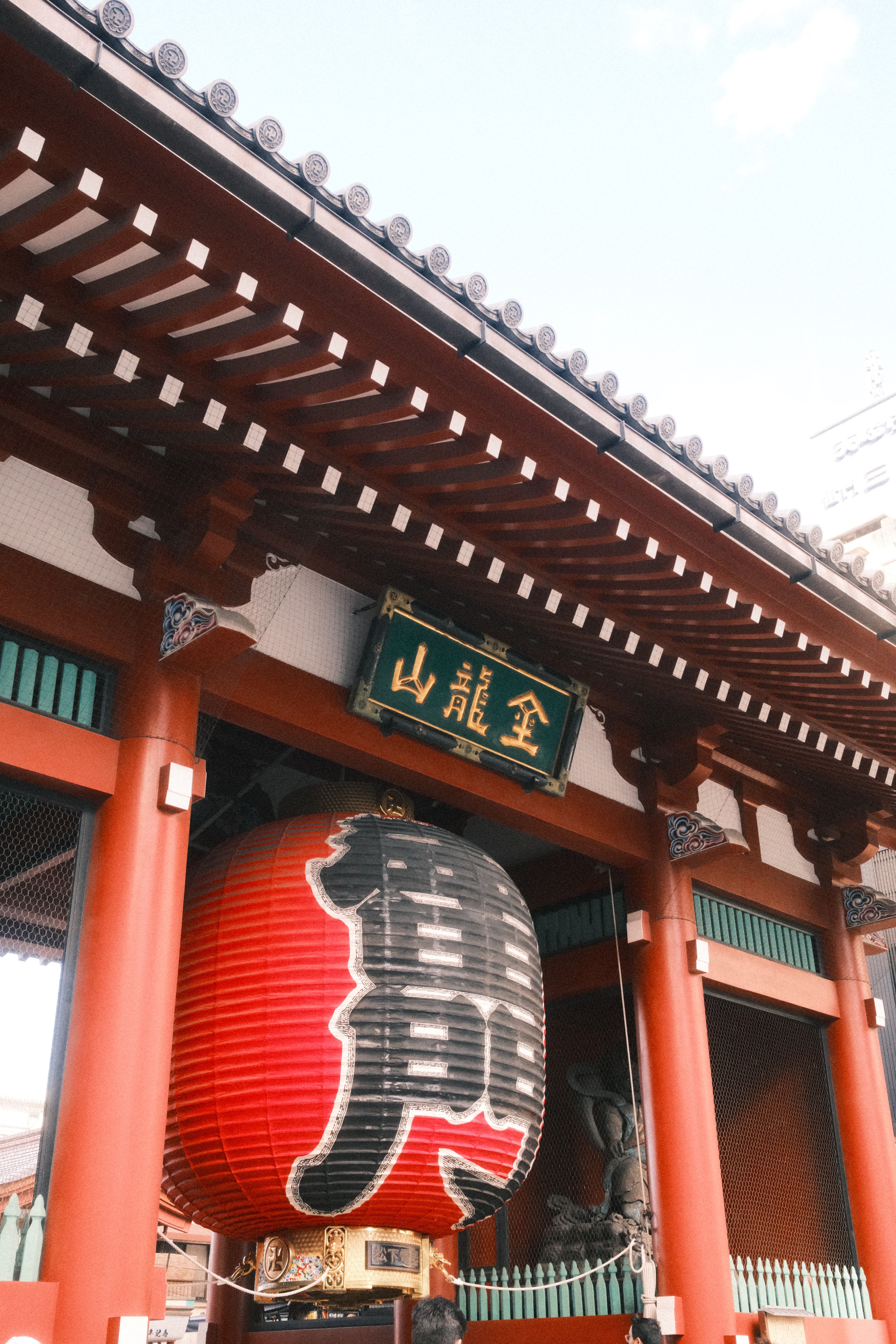
The main hall and grounds are free. Only the omikuji fortune slips (¥100) and souvenirs cost money.
 Pexels
Senso-ji Temple
FamousSenso-ji (浅草寺) is Tokyo's oldest and most significant Buddhist temple, founded in 645 AD after two fishermen discovered…
Why #5?
Free observation decks at 243m with Mt. Fuji views on clear days. Open until 23:00 for night cityscapes.
 kanesue / CC BY 3.0
Tokyo Metropolitan Building
FamousThe Tokyo Metropolitan Government Building (東京都庁, Tocho) has twin towers rising 243 meters, each with a free observation…
Why #6?
The bamboo path is public and free. The nearby Tenryuji Temple costs ¥500, but the grove itself is open access.
 Unsplash
Arashiyama Bamboo Grove
FamousThe Arashiyama Bamboo Grove (嵯峨野の竹林) is a path through thousands of towering bamboo stalks that create a natural cathedr…
Why #7?
Browsing the market alleys costs nothing. You'll eat, but watching tuna auctions and vendors is free entertainment.
 Christophe95 / CC BY-SA 4.0
Tsukiji Outer Market
FamousTsukiji Outer Market (築地場外市場, Tsukiji Jogai Shijo) is a 300-meter network of alleys and shops selling fresh seafood, pro…
Why #8?
The park and deer are free. Only the deer crackers (¥200) and temple entries cost money. Most visitors skip the temples.
 Andrew Currie / CC BY-SA 3.0
Nara Park
FamousNara Park (奈良公園) is a 660-hectare park where over 1,200 wild sika deer roam freely among visitors, temples, and open mea…
Why #9?
Walking Gion's streets costs nothing. The wooden architecture and occasional geiko sightings are free streetside theater.
 alonfloc / CC BY 3.0
Gion District
FamousGion (祇園) is Kyoto's most famous geisha district (hanamachi, 花街 'flower town'), where traditional wooden machiya townhou…
Why #10?
The neon-lit canal walk is public. Photographing the Glico sign and people-watching costs zero.
 勇寿憲 / CC BY-SA 3.0
Dotonbori
FamousDotonbori (道頓堀) is Osaka's most iconic entertainment district — a neon-lit canal lined with restaurants, bars, and massi…
Why #11?
Window shopping and crowd-watching on Tokyo's kawaii street. No purchase necessary to absorb the chaos.
 ภาพประกอบ (ไม่ใช่ภาพถ่าย)
Takeshita Street
FamousTakeshita Street (竹下通り, Takeshita-dori) is a 350-meter pedestrian alley in Harajuku, lined with shops selling kawaii (cu…
Why #12?
The park itself is free with street performers and food stalls. Museums cost ¥600 but the park atmosphere is the real draw.
 くろふね / CC BY 3.0
Ueno Park
FamousUeno Park (上野恩賜公園, Ueno Onshi Koen) is Tokyo's largest public park (133 acres), housing five major museums, a zoo, shrin…
Why #13?
Beaches, the Giant Buddha (viewable from outside for free), and Hasedera Temple grounds (partial free access).
 gorian21 / CC BY 3.0
Yuigahama Beach
Well knownYuigahama Beach (由比ヶ浜) is Kamakura's main swimming beach, a 900-meter crescent of sand facing Sagami Bay with views to E…
Why #14?
A 2km canal-side walk through northern Kyoto. Cherry blossoms in spring, temples at both ends (optional entry fees).
 そらみみ / CC BY-SA 3.0
Philosopher's Path
FamousThe Philosopher's Path (哲学の道, Tetsugaku no Michi) is a 2-kilometer stone walkway following a canal lined with hundreds o…
Why #15?
The castle interior costs ¥600, but the surrounding park with 2 million cherry trees is free and often more impressive.
 z tanuki / CC BY 3.0
Osaka Castle
FamousOsaka Castle (大阪城) was built by warlord Toyotomi Hideyoshi in 1583 as headquarters for his unification of Japan. The cur…
Why #16?
Weekend afternoons close Ginza's main street to cars. Window-shopping luxury flagships costs nothing.
 片割れ靴下 (unpaired sock) / CC BY-SA 4.0
Ginza Shopping District
FamousGinza (銀座, 'silver mint') is Tokyo's premier luxury shopping district, an 8-block grid of flagship stores, department st…
Why #17?
Tokyo's largest park next to Harajuku. Weekend street performers, picnic spots, and people-watching central.
 Creative Monkey / CC BY 3.0
Yoyogi Park
Well knownYoyogi Park (代々木公園) is Tokyo's fifth-largest park (134 acres) and the city's most socially active green space. The park'…
Explore More Rankings
Discover other curated lists to plan your perfect Japan itinerary
View All Rankings