
หน้านี้ยังไม่ได้แปล จึงแสดงเป็นภาษาอังกฤษ
Tsuboya Yachimun Street
ค้นคว้าและเขียนโดย Hinato
จังหวัดโอกินาว่า · Naha
26.2137°N, 127.6906°E
In 1682 the Ryukyu kingdom consolidated its scattered kilns into one district in Naha, and Tsuboya has been making pottery ever since. The street is about four hundred metres of low buildings, shisa on every roof and gatepost, kiln shops, and workshops that still throw and glaze on the premises — one of the few parts of central Naha with a pre-war grain to it.
The last standing climbing kiln, the Nan-ya, is at the eastern end. It has not been fired since smoke regulations ended wood-firing in the city — which is why most of the potters moved to Yomitan in the 1970s — but it is preserved and can be walked around freely, with a café beside it selling Okinawan sweets. The municipal pottery museum at the top of the street explains the whole history for ¥350.
ข้อมูลสำคัญ
เวลาเปิดทำการ
Street open at all times | Museum and shops keep their own hours
วันหยุด: Varies by shop
ค่าเข้าชม
Street free | Tsuboya Pottery Museum ¥350 general, free for university students and under | Nan-ya kiln free to view
ฤดูที่ดีที่สุด
Year-round
ระยะเวลาเที่ยวชม
1.5–2 hours
การเดินทางไป
ข้อมูลการเดินทาง
คู่มือจากคนใน
สถานที่ใกล้เคียง
สถานที่ลับที่อยู่ใกล้ Tsuboya Yachimun Street มากที่สุด เรียงตามระยะทางเส้นตรง
 TurnOnTheNight / CC BY-SA 4.0
Kokusai Dori
Locally knownKokusai Dori (国際通り, 'International Street') is Naha's 1.6km main shopping and entertainment strip, running from Palette…
Daiichi Makishi Public Market
Locally knownThe market grew out of a black market in the rubble after 1945 and became the food hall of Naha — the ground floor is fi…
 pelican from Tokyo, Japan / CC BY-SA 2.0
Taco Rice
Locally knownTaco rice is Okinawa's signature fusion dish — seasoned ground beef (taco meat), shredded lettuce, diced tomato, and shr…
 ภาพประกอบ (ไม่ใช่ภาพถ่าย)
Okinawa Soba
Locally knownOkinawa soba (沖縄そば) is the prefecture's soul food — thick wheat noodles in pork bone broth, topped with slow-braised por…
Fujiya
Locally knownOkinawan zenzai is not the hot red bean soup served everywhere else in Japan under the same name. It is cold: sweetened…
 ภาพประกอบ (ไม่ใช่ภาพถ่าย)
Fukushu-en Garden
Locally knownFukushu-en (福州園) is a traditional Suzhou-style Chinese garden built in 1992 to commemorate 10 years of sister-city relat…
สถานที่อื่น ๆ ในจังหวัดโอกินาว่า
 Kugel~commonswiki / CC BY-SA 4.0
Kafu Banta
Little knownKafu means good fortune and banta means cliff, so the name is the cliff of happiness — a viewing point about seventy met…
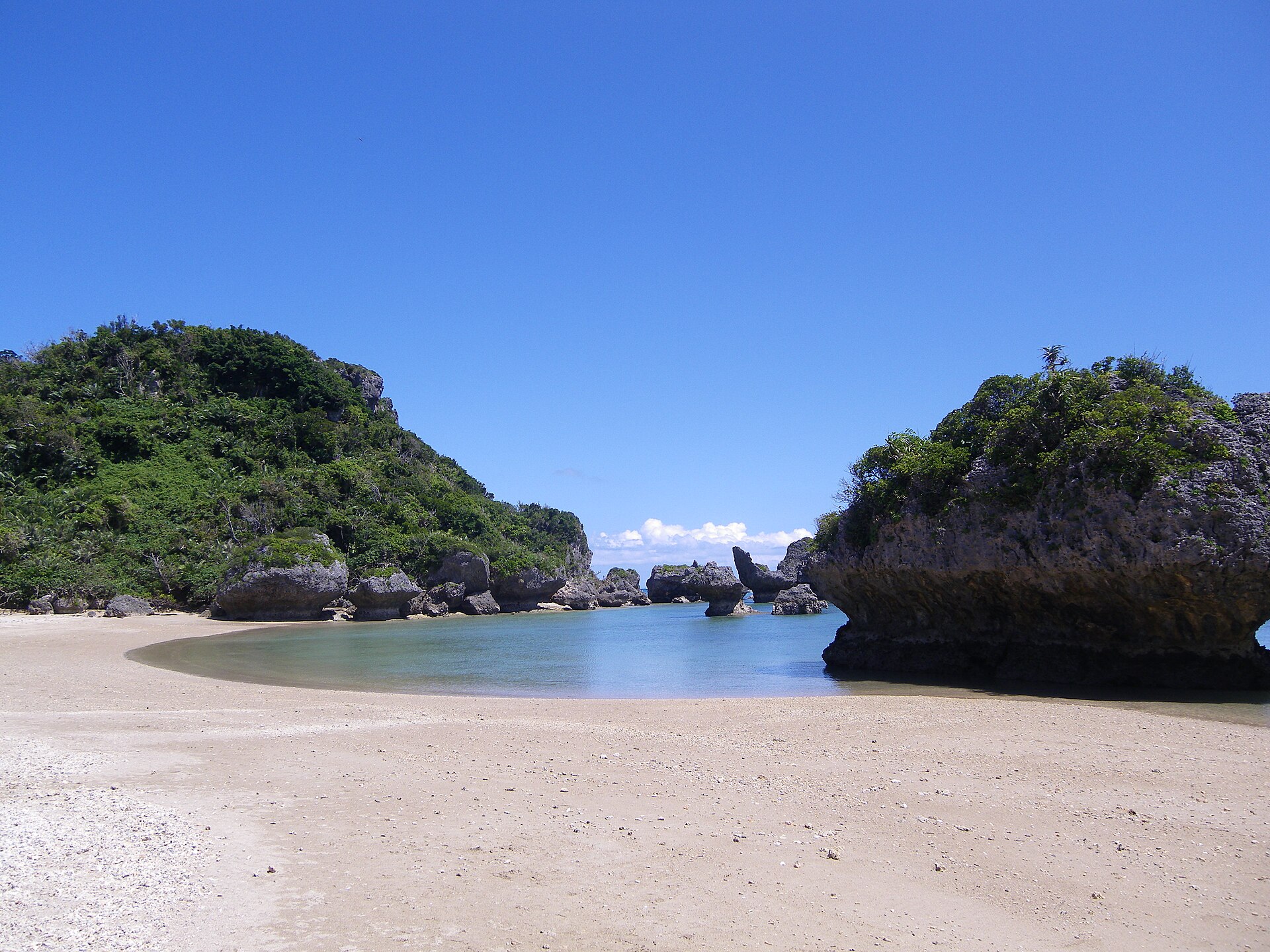 Kugel~commonswiki / CC BY-SA 4.0
Hamahiga Island
Little knownHamahiga is a small island off the Katsuren peninsula, reachable by road over the Kaichu Doro causeway, and it holds two…
 ภาพประกอบ (ไม่ใช่ภาพถ่าย)
Former Japanese Navy Underground Headquarters
Little knownIn 1944 the Imperial Navy dug a command post into a hill in what is now Tomigusuku, using picks and hoes: about four hun…