
本頁尚未翻譯,暫以英文顯示。
Asuka-dera Temple
調查與撰寫 Hinato
奈良縣 · Asuka
34.4693°N, 135.8205°E
Asuka-dera (飛鳥寺) was Japan's first full-scale Buddhist temple, founded in 596 AD when Buddhism was still new to the archipelago. The temple houses the Asuka Daibutsu (飛鳥大仏), a bronze Shaka Nyorai (Shakyamuni Buddha) statue cast in 609 AD — Japan's oldest surviving Buddha statue at 1,400+ years old. The statue was created by Kuratsukuri-no-Tori, a sculptor from the Korean kingdom of Baekje, representing the transmission of continental Buddhist art to Japan.
The statue's face shows distinct archaic style: frontal symmetry, almond eyes, and stylized 'archaic smile' — characteristics of early Buddhist sculpture before naturalistic carving developed. The Buddha survived the temple's repeated destruction by fire (the current hall dates to the Edo Period, but the statue endured) and shows visible fire damage on its surface, adding patina to its ancient presence. The temple is small and quiet, tucked into Asuka's rural landscape with rice paddies visible from the grounds. Standing before Japan's oldest Buddha creates a palpable connection to the birth of Japanese Buddhism.
基本資訊
營業時間
Varies by venue — confirm before visiting
公休: Open year-round
門票
¥350
最佳季節
Year-round | April (nanohana yellow fields surrounding temple, pair with Asuka cycling route)
建議停留
20–30 minutes | Combine with Ishibutai Kofun (1km south) for half-day Asuka exploration
如何前往
交通資訊
在地私房情報
鄰近景點
距離Asuka-dera Temple最近的私房景點,依直線距離排序。
 示意插圖(非實景照片)
Asuka Village
Little knownWhen you cycle through Asuka's rice paddies, granite boulders carved with geometric channels and stone slabs weighing 77…
 Yoshio Kohara / CC BY 3.0
Kashihara Jingu Shrine
Little knownKashihara Jingu (橿原神宮) is a large Shinto shrine dedicated to Emperor Jimmu, Japan's legendary first emperor according to…
 Naokijp / CC BY-SA 4.0
Yoshino Mikumari Shrine
Well knownYoshino Mikumari Shrine (吉野水分神社) is a Shinto shrine dedicated to Mikumari-no-Kami (水分神), the deity of water distribution…
 Uo3rt / CC BY-SA 4.0
Yoshino Kuzu Mochi
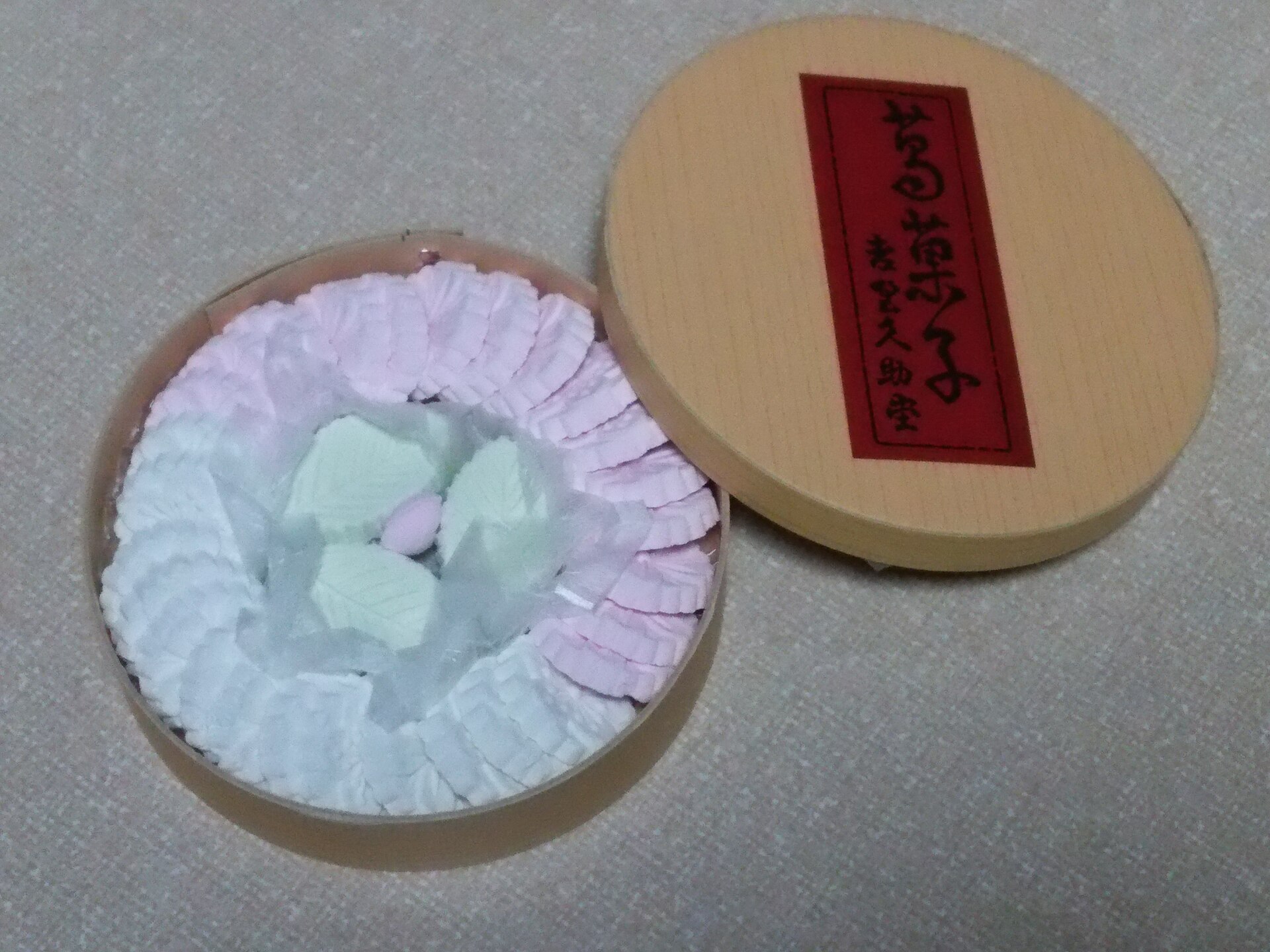
Little knownYoshino is Japan's premier producer of kuzu (葛, arrowroot starch), a plant-based starch extracted from kudzu vine roots…
 Nankou Oronain (as36… / CC BY-SA 3.0
Mount Yoshino
Well knownYoshino's 30,000 cherry trees bloom in four elevation zones called senbon (千本, 'thousand trees') — Shimo, Naka, Kami, an…
 z tanuki / CC BY 3.0
Horyuji Temple
Well knownHoryuji (法隆寺) is a UNESCO World Heritage temple containing the world's oldest surviving wooden structures — the Main Hal…
更多奈良縣的景點
 Benh LIEU SONG from Torcy, France / CC BY-SA 2.0
Ukimido Pavilion
Well knownUkimido (浮見堂, 'Floating Pavilion') is a hexagonal pavilion built on stilts over Sagi-ike Pond in Nara Park's southern ar…
 jetsun / CC BY-SA 3.0
Wakakusayama Hill
Locally knownWakakusayama (若草山, 'Young Grass Mountain') is a 342-meter grassy hill on Nara Park's eastern edge offering panoramic vie…
 示意插圖(非實景照片)
Nara Sumi Ink & Fude Brushes
Locally knownNara produces 90% of Japan's traditional sumi ink (墨, solid ink sticks) and is a major center for fude (筆, calligraphy b…