
Fukuyama Castle
Researched and written by Hinato

Photo: takeokahp / Wikimedia Commons (CC BY 3.0) · original
Fukuyama Castle (福山城) is a reconstructed feudal castle in central Fukuyama City, originally built in 1622 by Mizuno Katsunari as the administrative center of Bingo Province. The castle was strategically positioned on a hill overlooking the Seto Inland Sea and the Sanyo Road (ancient highway), making it a key defensive and commercial hub during the Edo period. The original five-story main keep was destroyed in Allied bombing during World War II (1945), and the current structure is a 1966 concrete reconstruction housing a history museum.
While not an original structure, Fukuyama Castle's exterior faithfully replicates Edo-period architecture, with white-plastered walls, multi-tiered roofs, and defensive stone foundations. The castle grounds include the reconstructed Fushimi Yagura turret (designated Important Cultural Property, originally relocated from Kyoto's Fushimi Castle in 1619) and the Sujigane Gate. The interior museum exhibits samurai armor, historical documents, and dioramas explaining the castle's history and Fukuyama's development. The castle is particularly scenic during spring when surrounding Fukuyama Castle Park's 300 cherry trees bloom, and the city's nickname 'Rose City' is reflected in 5,500 rose bushes planted in the park (peak bloom May). The castle's location adjacent to JR Fukuyama Station makes it one of Japan's most accessible castles for travelers.
Mizuno Katsunari built the castle as a reward for his service under the Tokugawa, and its placement was as much a statement of loyalty as a defensive choice — Bingo Province sat along the Sanyo Road corridor linking western Japan to the capital region, making a fortified administrative seat here useful for keeping watch over the area's trade routes and any potential unrest among the domains further west. The Fushimi Yagura turret's relocation from Kyoto is a detail easy to miss but historically significant: reusing a structure from Toyotomi Hideyoshi's former stronghold at Fushimi Castle was a symbolic transfer of authority from the old regime to the new Tokugawa order, a practice the shogunate encouraged among loyal daimyo rebuilding their domains. The 1966 postwar reconstruction, common to many Japanese castles destroyed in the war, prioritized recreating the silhouette recognizable to residents over strict historical accuracy in materials, which is part of why the interior functions as a modern museum rather than a faithful recreation of Edo-period living quarters.
Practical details
Opening Hours
9:00 AM – 5:00 PM (last entry 4:30 PM)
Closed: Closed Mondays (if Monday is a holiday, closed the following Tuesday)
Entrance Fee
Museum: ¥500 | Castle grounds: Free
Best Season
Late March–early April (cherry blossoms, 300 trees) | Mid-May (rose bloom, peak ~May 20) | October–November (autumn rose bloom)
Visit Duration
45-60 minutes
Getting There
Access Information
Fukuyama. Near JR Fukuyama Station north exit. Entry: ¥500 (museum), grounds free. Visit duration: 45–60 minutes. Rose season: May–June and October–November (castle park rose garden). Cherry blossoms: late March–early April.
Tips
Museum content: English signage is limited; consider the audio guide (¥300, available in English) for deeper context. The top floor observation deck provides 360° views of Fukuyama City, the Seto Inland Sea, and on clear days, distant mountains. While the museum is informative, the castle's main appeal is architectural appreciation and park scenery rather than world-class historical artifacts.
Rose garden timing: Fukuyama earned the nickname 'Rose City' after extensive rose planting in the 1950s–1960s as part of postwar urban beautification. The castle park's rose garden features over 280 varieties (5,500 bushes) blooming in two seasons: spring (mid-May to early June, peak around May 20) and autumn (mid-October to early November, smaller blooms). The spring bloom coincides with the annual Fukuyama Rose Festival (mid-May), featuring parades, concerts, and citywide rose displays. The castle silhouette framed by roses creates iconic photo compositions.
Accessibility advantage: Fukuyama Castle's proximity to JR Fukuyama Station (literally visible from the platform) makes it ideal for travelers with limited time or those traveling between Hiroshima and Okayama. A 1–2 hour stopover allows castle visit, rose garden stroll, and lunch in nearby shopping arcades. The station area has luggage lockers (¥400–700), eliminating the need to carry bags. This accessibility is rare among Japanese castles, which often require extensive rural travel or mountain hikes.
A castle you meet by accident: Because the keep rises directly above the north exit of Fukuyama Station, it is one of the few Japanese castles that regularly surprises people who weren't planning to visit at all — travelers changing trains or waiting for a Shinkansen connection glance up and find a five-story keep looming over the platform. That proximity flattens the usual ceremony of a castle visit; there's no long approach through a castle town, no lengthy uphill walk to build anticipation, just stone walls and a reconstructed turret a few minutes from the ticket gates. The grounds themselves are compact enough to circle in a short loop, with benches under the pine trees offering quiet views back toward the station's bustle, a reminder of how thoroughly Fukuyama's feudal core and its modern transit hub have grown into and around each other over the centuries.
Book Your Stay Nearby
Find accommodation close to Fukuyama Castle on these trusted booking platforms:
Nearby Spots
The closest hidden gems to Fukuyama Castle, by straight-line distance.
 AMANO Jun-ichi / CC BY 3.0
Tomonoura Port
Little knownTomonoura (鞆の浦) is a historic fishing port on Hiroshima's southeastern coast, renowned as the inspiration for Hayao Miya…
 ノボホショコロトソ / CC BY 4.0
Onomichi Ramen
Little knownOnomichi ramen (尾道ラーメン) is a distinctive local ramen style characterized by soy sauce-based broth (shoyu), flat noodles,…
 663highland / CC BY-SA 4.0
Ivy Square
Locally knownIvy Square (倉敷アイビースクエア) is a beautifully preserved Meiji-era cotton spinning mill transformed into a hotel, museum, and…
 ajari / CC BY 2.0
Achi Shrine
Locally knownAchi Shrine (阿智神社, Achi Jinja) sits atop a forested hill overlooking Kurashiki's Bikan Historical Quarter, offering pano…
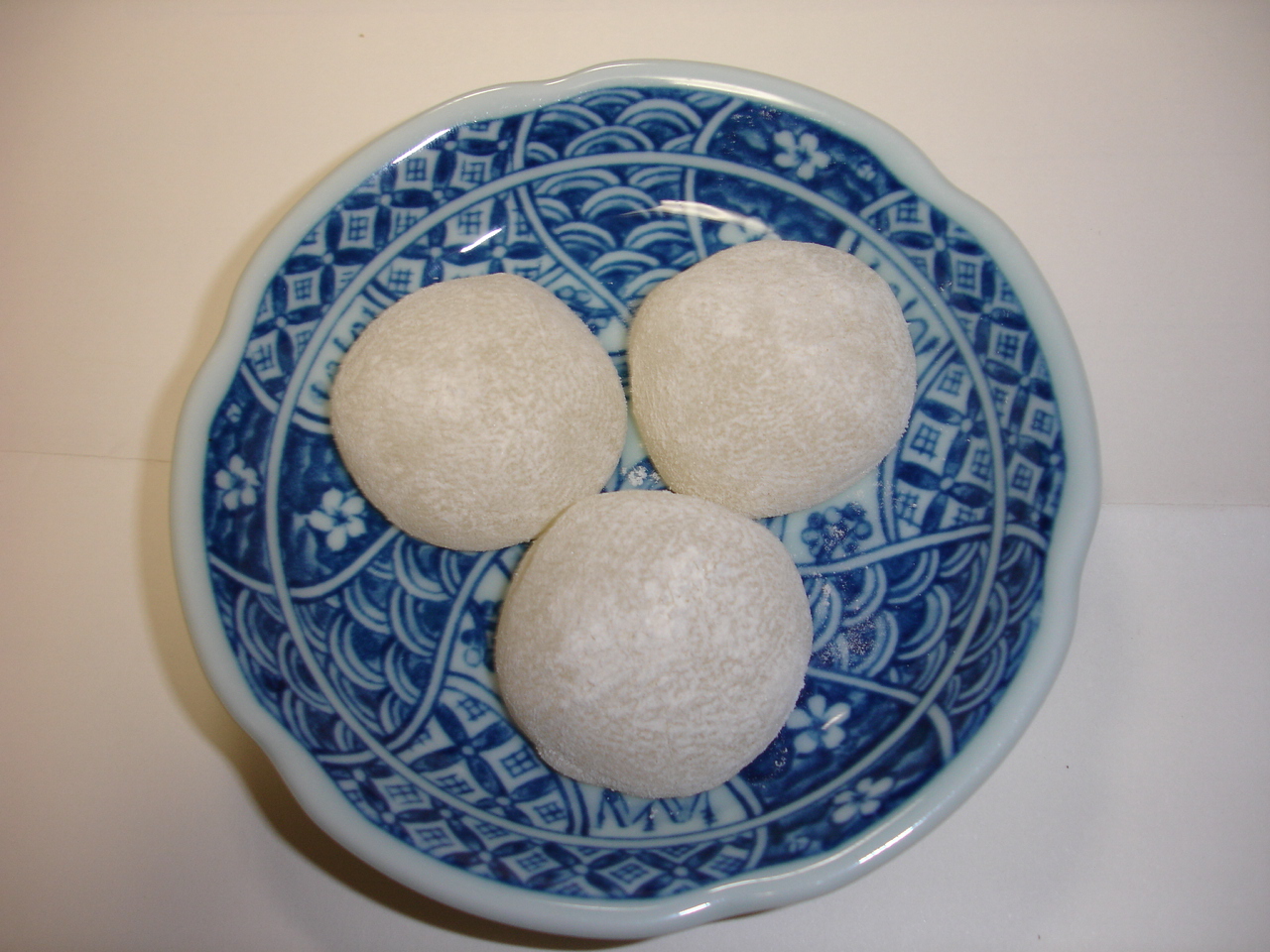 Unknown author / CC BY-SA 3.0
Kibi Dango
Little knownKibi dango (吉備団子) is Okayama's most iconic confection, a soft mochi-like sweet made from millet (kibi) flour, rice, suga…
 Hajime NAKANO from Tokyo, Japan / CC BY 2.0
Okayama White Peaches
Little knownOkayama Prefecture is Japan's premier white peach (白桃, hakutou) producer, cultivating some of the world's most expensive…
