
Tomonoura Port
Researched and written by Hinato

Photo: AMANO Jun-ichi / Wikimedia Commons (CC BY 3.0) · original
Tomonoura (鞆の浦) is a historic fishing port on Hiroshima's southeastern coast, renowned as the inspiration for Hayao Miyazaki's animated film Ponyo on the Cliff by the Sea (2008).
Beyond Studio Ghibli fame, Tomonoura has historical significance as a tidal waypoint during the Edo period when ships awaited favorable tides to navigate the Seto Inland Sea's currents. The port's sheltered bay and strategic location made it a thriving commercial hub, evidenced by preserved merchant residences, sake breweries (including Iroha-maru Taikenkan Museum), and temples dotting the hillsides. The Joyato lighthouse, still functional, is Japan's oldest stone lighthouse and a symbol of the port. Taichoro Observation Deck (対潮楼), a historical guesthouse where Joseon Dynasty Korean envoys stayed, offers sweeping harbor views. Tomonoura's compact size (walkable in 60–90 minutes) and preserved Edo aesthetics make it ideal for slow-paced exploration, photography, and nostalgic reflection on pre-modern Japan — and for Ghibli fans, a pilgrimage to see Ponyo's real-world inspirations.
What makes Tomonoura distinct from many other preserved Edo-period ports is how lived-in it still feels — fishing boats continue to work the harbor daily, nets and buoys are stacked along the seawall, and the smell of grilling fish drifts from small eateries at lunchtime, so the town reads as a working community rather than a museum piece. The narrow lanes behind the waterfront wind past sake breweries with their distinctive cedar-ball signs, small shrines tucked between wooden houses, and merchant buildings whose sagging rooflines and weathered facades have never been heavily restored, giving the whole district a patina that more polished heritage towns often lack. Because the harbor curves gently and the surrounding hills rise close behind the rooftops, nearly every angle through town offers a compressed, almost theatrical view of boats, tiled roofs, and sea in a single frame — the same quality that reportedly drew Miyazaki here in the first place, sketching from a borrowed vantage point above the port for weeks before Ponyo's coastal town took its final shape on screen. Visitors who linger past the midday tour groups often find the port at its most atmospheric in late afternoon, when the fishing boats return and the light turns soft over the breakwater.
Practical details
Opening Hours
Port area: 24/7 (outdoor)
Closed: Port: No closure | Museum and Taichoro: Check each individually for seasonal closures
Entrance Fee
Port walk: Free | Iroha-maru Museum: ¥200 | Taichoro: ¥200
Best Season
Year-round (Edo-period atmosphere preserved in all seasons) | Spring for hillside temple cherry blossoms
Visit Duration
2-3 hours (port walk + museum + Taichoro)
Getting There
Access Information
Tomo-cho, Fukuyama City. A train from Hiroshima to JR Fukuyama Station (¥970), then a bus to Tomonoura (鞆の浦, ¥540, Tomotetsu Bus). Free to walk port area. Iroha-maru Museum: ¥200, 10:00–17:00. Taichoro: ¥200, 10:00–17:00. Visit duration: 2–3 hours for port walk and museum. Best combined with Fukuyama Castle as a day trip from Hiroshima.
Tips
Ponyo pilgrimage spots: Studio Ghibli fans should visit the Joyato lighthouse (常夜燈) — its distinctive stone lantern tower appears in Ponyo's opening scenes and is the port's most iconic structure. Miyazaki stayed at a cliffside house overlooking the port (private residence, not accessible) and sketched harbor scenes daily; the port's entire ambiance infuses Ponyo's world. While no official Ghibli museum exists in Tomonoura, local shops sell Ponyo-themed souvenirs and postcards comparing film scenes with real locations.
Historical exploration: Taichoro (対潮楼) is the port's historical gem — a 17th-century guesthouse overlooking the harbor where Korean Joseon Dynasty envoys stayed during diplomatic missions. The 2nd-floor tatami room frames the harbor through wide windows, creating a 'living painting' effect that inspired historical poets and artists. Entry ¥200 includes access to the observation room and historical exhibits. The Iroha-maru Museum (いろは丸展示館) displays artifacts from the 1867 Iroha-maru shipwreck involving Sakamoto Ryoma (Meiji Restoration hero) — the ship sank off Tomonoura after collision, and recovered cargo is exhibited in a former warehouse.
Local food & sake: Tomonoura's specialty is homeishu (保命酒), a sweet medicinal herbal liqueur developed in the Edo period, containing 16 herbs and mirin. It's traditionally drunk for health and longevity, with a unique spiced, honeyed flavor (ABV ~14%). Sample at Irohamaru-shuzo Brewery (入船山記念館, tastings ¥300). The port also offers fresh Setouchi seafood — tai (sea bream) sashimi and grilled fish at harbor-side restaurants (¥1,500–2,500 lunch sets). For sweets, try homare-manju (誉饅頭), local steamed buns filled with sweet bean paste.
Book Your Stay Nearby
Find accommodation close to Tomonoura Port on these trusted booking platforms:
Nearby Spots
The closest hidden gems to Tomonoura Port, by straight-line distance.
 takeokahp / CC BY 3.0
Fukuyama Castle
Little knownFukuyama Castle (福山城) is a reconstructed feudal castle in central Fukuyama City, originally built in 1622 by Mizuno Kats…
 ノボホショコロトソ / CC BY 4.0
Onomichi Ramen
Little knownOnomichi ramen (尾道ラーメン) is a distinctive local ramen style characterized by soy sauce-based broth (shoyu), flat noodles,…
 663highland / CC BY-SA 4.0
Ivy Square
Locally knownIvy Square (倉敷アイビースクエア) is a beautifully preserved Meiji-era cotton spinning mill transformed into a hotel, museum, and…
 ajari / CC BY 2.0
Achi Shrine
Locally knownAchi Shrine (阿智神社, Achi Jinja) sits atop a forested hill overlooking Kurashiki's Bikan Historical Quarter, offering pano…
 Unknown author / CC BY-SA 3.0
Kibi Dango
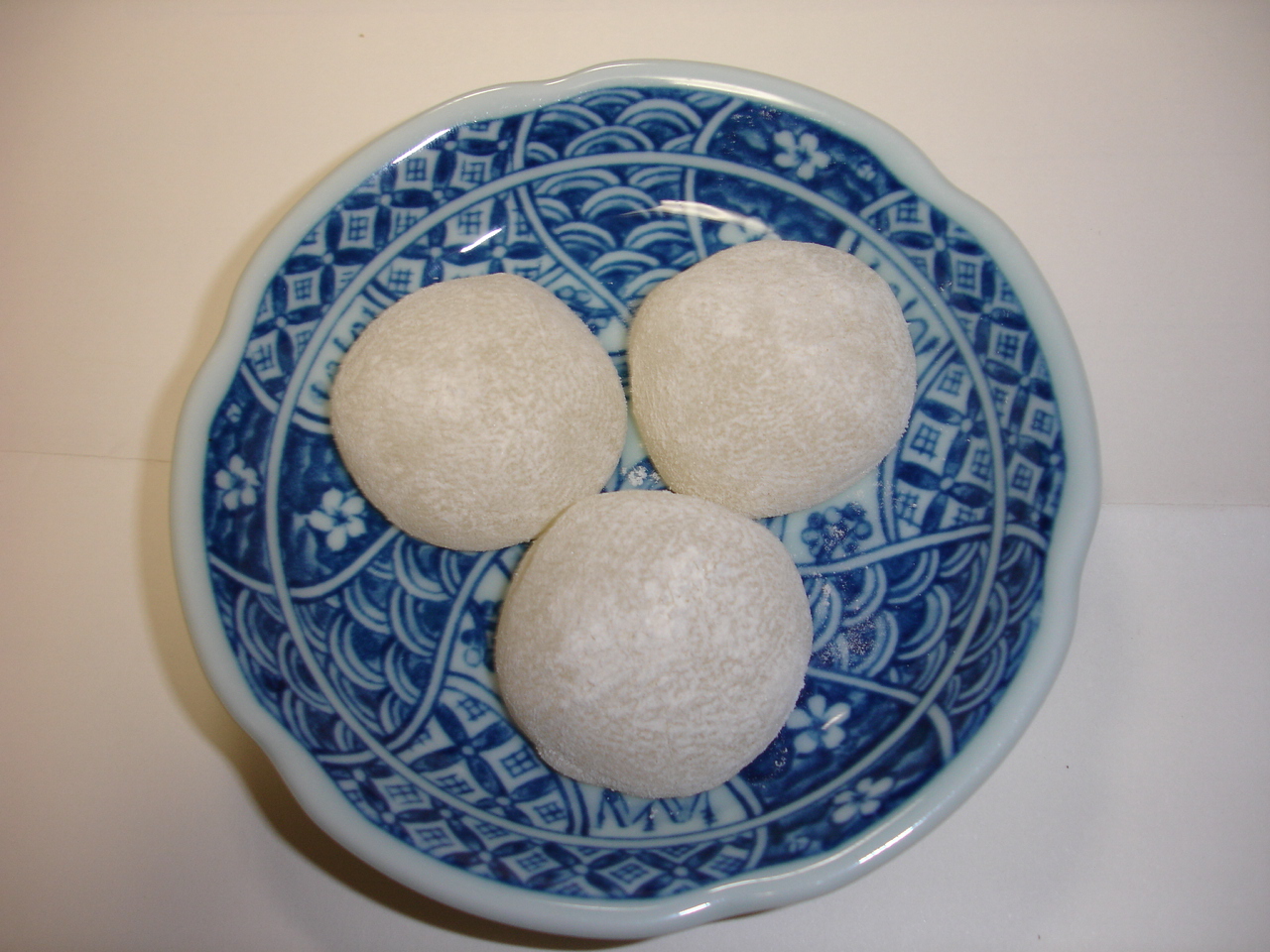
Little knownKibi dango (吉備団子) is Okayama's most iconic confection, a soft mochi-like sweet made from millet (kibi) flour, rice, suga…
 Hajime NAKANO from Tokyo, Japan / CC BY 2.0
Okayama White Peaches
Little knownOkayama Prefecture is Japan's premier white peach (白桃, hakutou) producer, cultivating some of the world's most expensive…
