
Kumano Hongu Taisha
Researched and written by Hinato

Photo: Nekosuki / Wikimedia Commons (CC BY-SA 4.0) · original
Kumano Hongu Taisha (熊野本宮大社) is the head shrine of the Kumano Sanzan (Three Grand Shrines) and spiritual terminus of the Kumano Kodo pilgrimage trails. Originally located on a sandbar at the confluence of the Kumano River and Otonashi River, the shrine was moved to higher ground after catastrophic flooding in 1889, but the original site — Oyunohara (大斎原) — remains a sacred power spot marked by Japan's largest torii gate (33.9 meters tall, black steel construction erected in 2000).
The current shrine complex features hinoki cypress buildings with traditional black timber and copper-roof architecture, housing four kami deities associated with creation, nature, and healing. The main hall cannot be entered (viewing from the worship hall), but the atmosphere is serene — ancient cedar trees shade the grounds, and the sound of the nearby rivers creates a constant murmur. Oyunohara, near the main shrine, is where pilgrims gather at the massive torii gate standing in an open field of river stones — the original shrine's foundation stones are still visible, and the site radiates spiritual energy intensified by its natural setting. The juxtaposition of the human-scale original shrine site and the modern colossal torii creates a powerful meditation on impermanence and devotion. Kumano Hongu Taisha is the emotional climax of the Kumano Kodo pilgrimage — reaching this shrine after days of mountain walking fulfills centuries of pilgrim tradition.
The shrine's remoteness is part of its meaning — reaching Hongu requires effort, whether by mountain bus or on foot along the pilgrimage trails, and that effort has shaped the site's character for over a thousand years. Unlike shrines built for easy urban access, Hongu Taisha was always meant to reward those who traveled deliberately toward it, and the surrounding valley, ringed by forested peaks and threaded by rivers, still feels removed from the pace of ordinary travel. The shrine complex is arranged with a formal approach through a wooden torii and up a stone stairway lined with cedar, and visitors are expected to bow and offer a coin at the worship hall before moving on to explore the grounds. Local guides and shrine attendants can often point out subtle architectural details — carved beam ends, roof finials, and the layout of the four sanctuaries — that distinguish Hongu's building style from the other two Kumano Sanzan shrines at Nachi and Hayatama. Many visitors extend their stay in the area to explore the Kumano River itself, which was historically used by pilgrims as a water route down to the coast, adding a further layer to the sense that this landscape has organized human movement — on foot, by boat, and by devotion — for centuries.
Practical details
Opening Hours
Oyunohara giant torii: accessible 24/7
Closed: Open year-round
Entrance Fee
Shrine grounds: Free | Oyunohara: Free | Prayer ceremony (gokitō) for pilgrims: ¥5,000+ (advance booking required)
Best Season
Spring (April–May) for fresh greenery on the pilgrimage approach; autumn (October–November) for foliage; year-round spiritual significance
Visit Duration
45–60 minutes (main shrine + Oyunohara); 90 minutes with walk to giant torii and back
Getting There
Access Information
Access: Hongu Town, by bus from JR Kii-Tanabe Station (Ryujin Bus). Oyunohara (giant torii): Near main shrine, free access 24/7. Kumano Kodo pilgrims: Hongu is typically the final destination after 2-3 days hiking from Takijiri-oji. Onsen: nearby Yunomine Onsen (湯の峰温泉) is one of Japan's oldest hot springs (UNESCO World Heritage), by bus from Hongu.
Tips
Pilgrimage completion: If arriving via Kumano Kodo trail, the moment of first seeing Hongu Taisha's roofs through the cedar trees is profoundly moving — culmination of physical effort and spiritual journey. The shrine's priests offer prayer services (御祈祷, gokitō) for pilgrims (¥5,000+, advance booking required) — a formal blessing ceremony in the main hall with drumming and chanting. Completion certificates are available at the Kumano Hongu Heritage Center (near the shrine, free) upon presenting a stamped pilgrimage book.
Oyunohara power spot: Early morning (before 8:00) or late afternoon (after 16:00) provides softer light and solitude.
Yunomine Onsen combination: After completing the pilgrimage, soak at Yunomine Onsen — a UNESCO-listed hot spring village where pilgrims have bathed for 1,800 years. The public bath (Tsuboyu, つぼ湯) is built into the riverbank, accommodating only 2-3 people, and fed by naturally hot spring water (45-50°C). Bathing here is a traditional pilgrimage ritual (¥770 for 30-min private session, book at Yunomine public bath building). The combination of spiritual journey, shrine worship, and onsen purification completes the Kumano pilgrimage experience. Yunomine has several ryokan offering hot spring baths and traditional meals (¥10,000-15,000 per night).
Book Your Stay Nearby
Find accommodation close to Kumano Hongu Taisha on these trusted booking platforms:
Nearby Spots
The closest hidden gems to Kumano Hongu Taisha, by straight-line distance.
 Nekosuki / CC BY-SA 4.0
Kumano Nachi Taisha Fire Festival
Little knownThe Nachi-no-Hi Matsuri (那智の火祭り, Nachi Fire Festival), held annually on July 14th, is one of Japan's three great fire fe…
 663highland / CC BY 2.5
Engetsu Island
Little knownEngetsu Island (円月島, 'full moon island') is a small uninhabited island in Shirahama Bay, famous for its natural rock arc…
 Jpatokal / CC BY-SA 4.0
Shojin Ryori
Locally knownShojin ryori is what Buddhist monks eat: no meat, no fish, no eggs, no onions or garlic (they're thought to stir up desi…
 Nankou Oronain (as36… / CC BY-SA 3.0
Kongobu-ji Temple
Locally knownKongobu-ji (金剛峯寺) is the head temple of Shingon Buddhism and the administrative center of Koyasan's 117 temples, founded…
 Xappyu / CC BY-SA 4.0
Yuasa Soy Sauce Town
Little knownYuasa (湯浅) is a small coastal town credited as the birthplace of Japanese soy sauce (shoyu, 醤油), where Buddhist monks in…
 Uo3rt / CC BY-SA 4.0
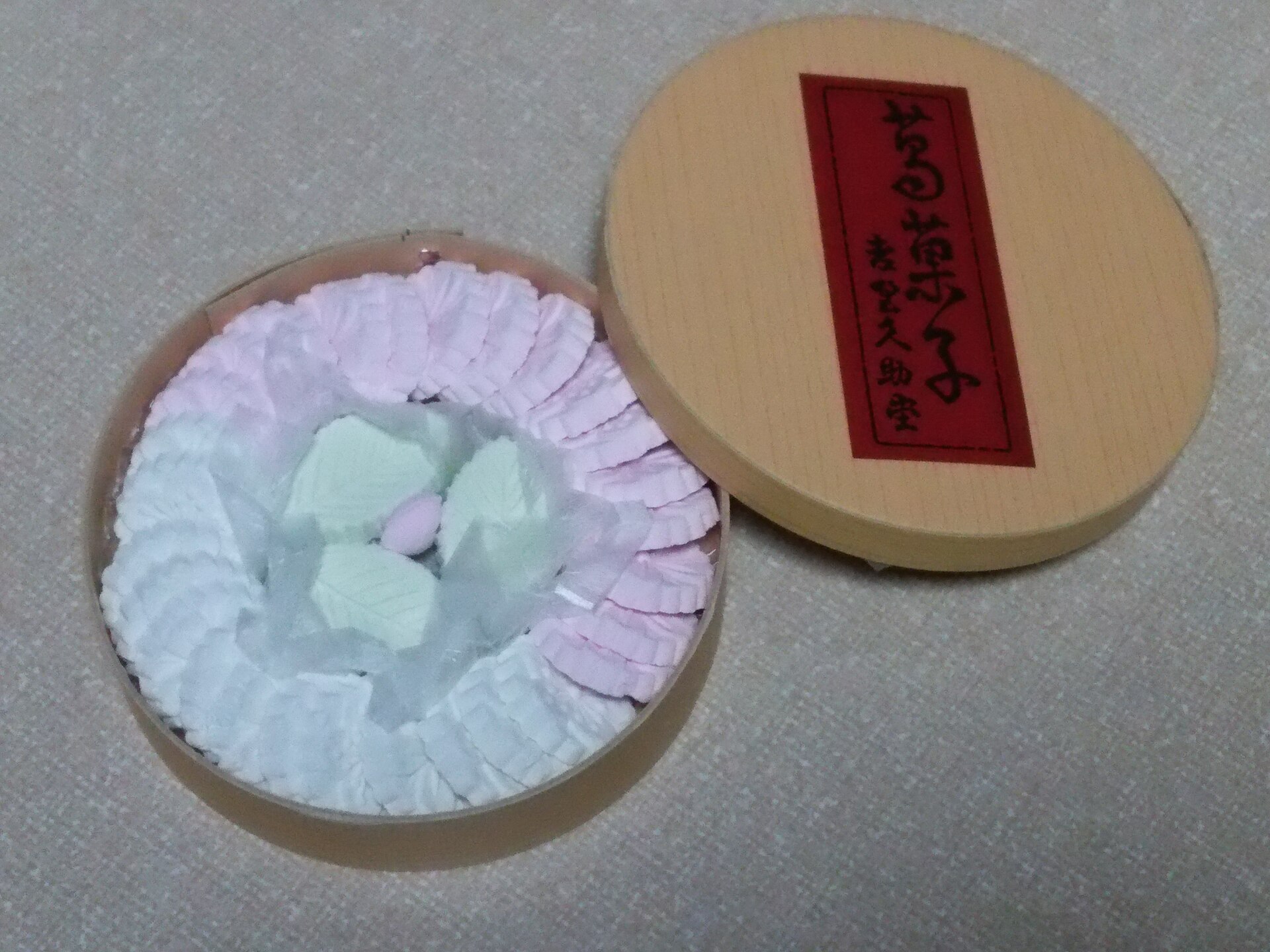
Yoshino Kuzu Mochi
Little knownYoshino is Japan's premier producer of kuzu (葛, arrowroot starch), a plant-based starch extracted from kudzu vine roots…
