
Kumano Nachi Taisha Fire Festival
Researched and written by Hinato

Photo: Nekosuki / Wikimedia Commons (CC BY-SA 4.0) · original
The Nachi-no-Hi Matsuri (那智の火祭り, Nachi Fire Festival), held annually on July 14th, is one of Japan's three great fire festivals and a 1,400-year-old Shinto ritual purifying the kami (deity) of Nachi Falls. The festival centers on 12 giant torches — each 6 meters tall, weighing 50kg, and burning with intense flame — carried by shrine priests up the steep stone staircase from Kumano Nachi Taisha to the waterfall, symbolically returning the waterfall deity to its origin for purification before bringing it back to the shrine.
The festival begins at 14:00 with Shinto ceremonies at Kumano Nachi Taisha, followed by the procession of 12 portable shrines (mikoshi) representing the 12 kami enshrined at Nachi. At 16:00, the giant torches are lit, and the torch-bearers — wearing white robes and straw sandals — hoist the flaming columns onto their shoulders and carry them up the stone stairs toward the waterfall. The scene is dramatic: flames leaping several meters above the torches, smoke billowing through the cedar forest, and the roar of the fire mixing with the waterfall's thunder. When the torches reach the waterfall viewing platform, they are swung in arcs to shower sparks over the mikoshi shrines, symbolizing divine purification. The ritual culminates at sunset when the kami are ceremonially returned to the main shrine. The festival is a visceral expression of Shinto nature worship — fire purifying water, ancient ritual performed in primeval forest, and the community maintaining traditions spanning over a millennium.
Although the festival's twelve blazing torches are its most photographed moment, the surrounding rituals reveal how deeply the event is woven into the community's yearly rhythm. In the weeks leading up to July 14th, local households and shrine parishioners prepare offerings, and the torches themselves are built by hand from local timber in a process passed down through generations of festival participants. The mikoshi portable shrines carried during the procession are treated with the same reverence as the deities they represent, and bearers train beforehand to manage their weight on the steep stone stairs safely. Visitors who arrive a day early can often see preparations underway around the shrine grounds — a rare glimpse of the labor behind a ritual that otherwise appears only once a year. The festival's setting, beside one of Japan's most famous waterfalls and within an ancient forest, adds a layer of natural drama that few other Japanese festivals can match; the roar of Nachi Falls provides a constant backdrop to the ceremony, as if the mountain itself were participating. For visitors unable to attend on the exact date, Kumano Nachi Taisha and the falls remain deeply atmospheric year-round, and shrine staff are often willing to describe the festival's history to those who ask.
Practical details
Opening Hours
Annual event: July 14th only | Ceremonies begin 2:00 PM; torch lighting at 4:00 PM
Closed: Not a regular attraction — annual event on July 14 only; Kumano Nachi Taisha itself is visitable year-round
Entrance Fee
Free (public festival)
Best Season
July 14th only (annual event); arrive by 14:00 for ceremony viewing position
Visit Duration
3–4 hours for full festival (ceremonies 14:00–17:00); arrive early to secure a staircase viewing spot
Getting There
Access Information
Date: July 14th annually (festival proceeds rain or shine). Location: Kumano Nachi Taisha and Nachi Falls. Access: JR Kii-Katsuura Station, then Kumano Kotsu bus 30 min to Nachi-san (buses increase frequency on festival day). Viewing: free (public festival), but steep staircase viewing areas fill early. Best viewing spots: staircase sides near Seiganto-ji Temple (arrive by 14:00 for good position). Accommodations: book 6+ months ahead in Katsuura or Nachi-Katsuura (hotels fill completely). Crowds: 10,000+ attendees.
Tips
Viewing strategy: The festival's most dramatic moments occur during the torch procession (16:00-17:00) when the 12 torches are carried up the stairs. The staircase is narrow with limited standing room — early arrival essential. Stand on the upper section (near Seiganto-ji Temple) for elevated views of torch-bearers ascending below, or on the lower section (near the waterfall platform) to feel the heat and see the sparks up close.
Photography challenges: The festival presents difficult lighting — bright flame against dim forest in late afternoon. Use high ISO (1600-3200), fast shutter speed (1/500s+ to freeze flame motion), and continuous shooting mode. A telephoto lens (70-200mm) compresses the torch-bearers, flames, and waterfall into dramatic compositions. Wide-angle shots (16-35mm) capture the full scene — pagoda, torches, crowd, and forest. Smoke can obscure visibility — patience and multiple attempts yield the best shots. After sunset, the torches illuminating the waterfall create spectacular silhouettes.
Logistics and preparation: July 14th in Wakayama is hot and humid (28-32°C, 70-80% humidity). Bring water, sun protection, and towel. The staircase has no shade and limited facilities (restrooms at Kumano Nachi Taisha and waterfall base only). Expect large crowds (10,000+ attendees) — the site is remote with limited transportation. Buses from Katsuura Station increase frequency but still fill quickly (arrive early for return buses, last bus departs around 19:00). The festival is worth the logistical effort for serious Japan culture enthusiasts — witnessing this ancient ritual in its original setting is a once-in-a-lifetime experience.
Book Your Stay Nearby
Find accommodation close to Kumano Nachi Taisha Fire Festival on these trusted booking platforms:
Nearby Spots
The closest hidden gems to Kumano Nachi Taisha Fire Festival, by straight-line distance.
 Nekosuki / CC BY-SA 4.0
Kumano Hongu Taisha
Little knownKumano Hongu Taisha (熊野本宮大社) is the head shrine of the Kumano Sanzan (Three Grand Shrines) and spiritual terminus of the…
 663highland / CC BY 2.5
Engetsu Island
Little knownEngetsu Island (円月島, 'full moon island') is a small uninhabited island in Shirahama Bay, famous for its natural rock arc…
 Jpatokal / CC BY-SA 4.0
Shojin Ryori
Locally knownShojin ryori is what Buddhist monks eat: no meat, no fish, no eggs, no onions or garlic (they're thought to stir up desi…
 Nankou Oronain (as36… / CC BY-SA 3.0
Kongobu-ji Temple
Locally knownKongobu-ji (金剛峯寺) is the head temple of Shingon Buddhism and the administrative center of Koyasan's 117 temples, founded…
 Xappyu / CC BY-SA 4.0
Yuasa Soy Sauce Town
Little knownYuasa (湯浅) is a small coastal town credited as the birthplace of Japanese soy sauce (shoyu, 醤油), where Buddhist monks in…
 Uo3rt / CC BY-SA 4.0
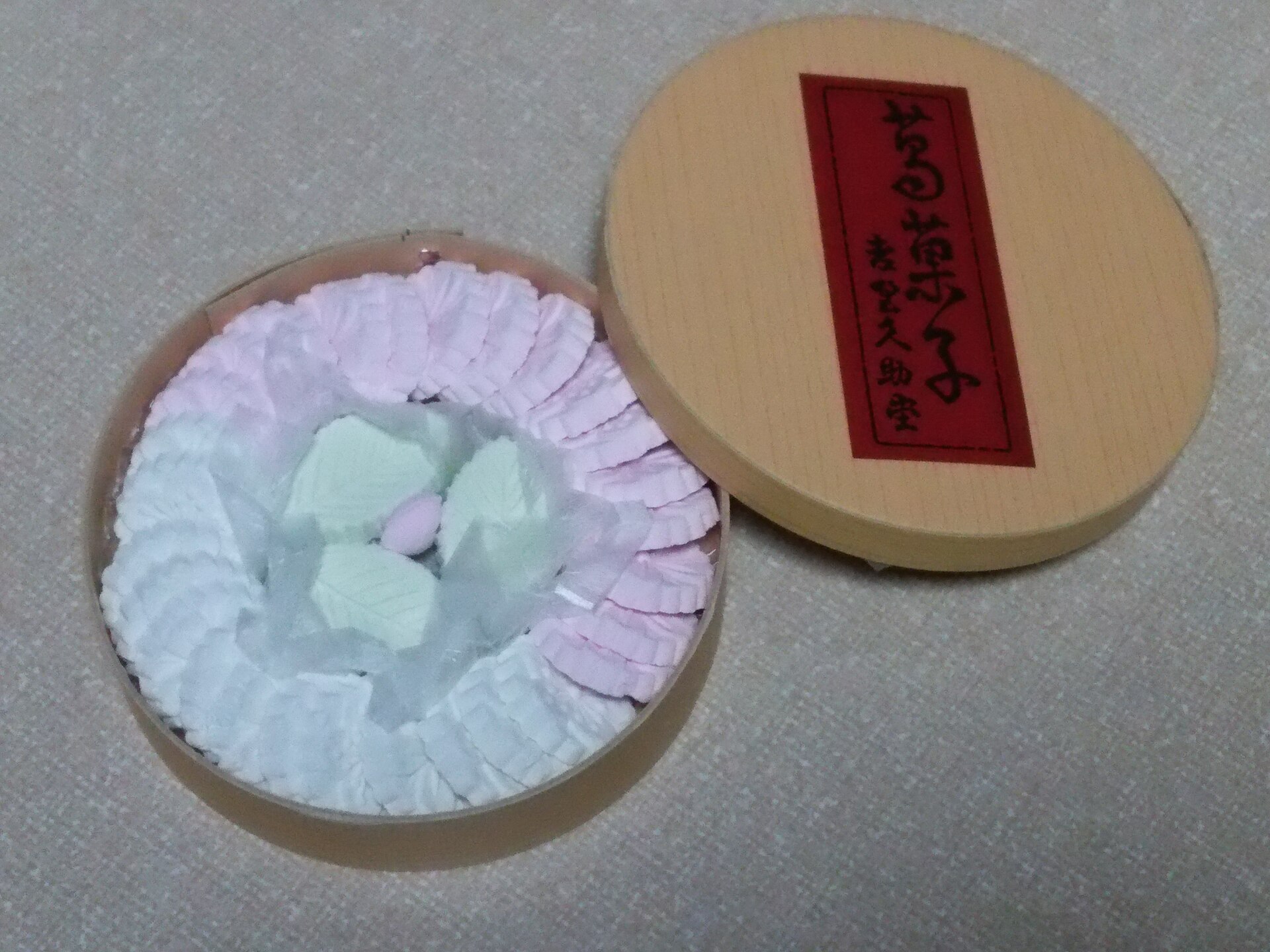
Yoshino Kuzu Mochi
Little knownYoshino is Japan's premier producer of kuzu (葛, arrowroot starch), a plant-based starch extracted from kudzu vine roots…
