
Shikoku Mura Village Museum
Researched and written by Hinato

Photo: 663highland / Wikimedia Commons (CC BY 2.5) · original
Shikoku Mura Village Museum preserves over thirty traditional buildings relocated from throughout Shikoku Island, creating an open-air architectural museum that documents rural Japanese life from the Edo period through early 20th century. The museum sprawls across mountain slopes on the Yashima plateau, with relocated structures arranged along winding paths through forested terrain, each building carefully restored and furnished with period-appropriate tools, furniture, and household items. The collection includes thatched-roof farmhouses, a kabuki theater, lighthouse keeper's residence, sugar-making facility, vine suspension bridge, rural shrine, and merchant townhouses, representing the diversity of traditional Japanese architecture and regional building techniques. Each structure tells stories of how previous generations lived, worked, and adapted to Shikoku's varied geography and climate. The farmhouses display different regional styles, from steep-roofed mountain dwellings designed to shed heavy snow to open coastal homes that maximize air circulation. The vine bridge, originally from remote mountain valleys where such bridges were the only way to cross deep gorges, demonstrates traditional construction using woven vines and cables, with modern safety additions allowing visitors to experience the swaying crossing. The transported kabuki theater from Kotohira features complete stage machinery including revolving stages and trap doors, occasionally hosting traditional performances.
The museum's hillside setting at Yashima was chosen deliberately, allowing each relocated building to be sited among trees and along footpaths in a way that echoes its original rural context rather than presenting structures as isolated exhibits in a flat, formal grid. Many of the buildings came from remote mountain and coastal communities across Shikoku that were facing depopulation in the postwar decades, meaning the museum also functions as an act of preservation for structures that might otherwise have been lost entirely. Walking between them, visitors encounter changes in elevation, shaded groves, and small clearings that mirror the varied terrain the original owners once farmed or fished, giving the collection a lived-in quality uncommon among open-air museums. The juxtaposition with Tadao Ando's concrete gallery on the same grounds is intentional, inviting reflection on how traditional and contemporary Japanese architecture each respond to landscape and material in their own way, even as they sit only a short walk apart.
Practical details
Opening Hours
8:30 AM – 5:30 PM (until 5:00 PM November–March)
Closed: Open year-round
Entrance Fee
Check locally before visiting
Best Season
Autumn for foliage framing the thatched-roof structures; spring for cherry blossoms and wildflowers along the paths; any season for architectural study
Visit Duration
2–3 hours for thorough exploration of all thirty relocated historical buildings
Getting There
Access Information
Adjacent to Yashima Temple at mountain summit, a bus from JR Takamatsu Station. Allow 2-3 hours for thorough exploration. Some steep paths and steps.
Tips
The museum is best appreciated slowly, allowing time to enter each building and examine the detailed furnishings and tools that reveal daily life details. The English guidebook available at entrance provides historical context for each structure, explaining its original location, construction date, and social significance. The most architecturally significant buildings include the Kusaka residence from Tokushima, a massive farmhouse with intricate wooden joinery and hidden storage spaces built during persecution of Christianity, and the Nakatsu residence featuring beautiful carved transom panels and formal reception rooms displaying merchant-class prosperity. The sugar production facility demonstrates traditional methods of extracting and refining sugar from sugar cane, a major Shikoku industry before modern processing. During special event days, the facility operates its antique processing equipment, offering rare glimpses of historical production methods. The kabuki theater hosts occasional traditional performances during festival periods, with the intimate scale and complete period authenticity creating powerful theatrical experiences. The museum's tea house serves matcha and seasonal sweets in traditional setting with garden views. Photography is permitted throughout, with the thatched-roof structures particularly photogenic against seasonal foliage, especially during autumn when surrounding trees provide colorful backdrops. The museum's location at Yashima summit makes it ideal to combine with Yashima Temple and the historic battlefield sites in a single visit. Spring brings cherry blossoms and early summer features hydrangea blooms along the paths. Winter visits offer peaceful atmosphere with few crowds, though some outdoor areas can be cold. The museum shop stocks excellent books on traditional Japanese architecture and regional crafts. For architecture enthusiasts and those interested in rural Japanese history, this museum provides comprehensive education through direct experience of authentic historical structures.
Book Your Stay Nearby
Find accommodation close to Shikoku Mura Village Museum on these trusted booking platforms:
Nearby Spots
The closest hidden gems to Shikoku Mura Village Museum, by straight-line distance.
 shinji_w / CC BY 2.0
Kagawa Bone-in Chicken (Honetsuki-dori)
Little knownKagawa's signature local specialty, honetsuki-dori or bone-in chicken, represents a uniquely regional dish that has achi…
 eWikiLearner / CC BY-SA 4.0
Angel Road (Shodoshima)
Little knownAngel Road is Shodoshima Island's most romantic natural phenomenon, a mystical sandbar that emerges from the sea twice d…
 Hajime NAKANO from Tokyo, Japan / CC BY 2.0
Okayama White Peaches
Little knownOkayama Prefecture is Japan's premier white peach (白桃, hakutou) producer, cultivating some of the world's most expensive…
 takeokahp / CC BY 3.0
Okayama Castle
Little knownOkayama Castle (岡山城, Okayama-jō), nicknamed 'Crow Castle' (烏城, U-jō) for its striking black exterior, stands as one of J…
 Unknown author / CC BY-SA 3.0
Kibi Dango
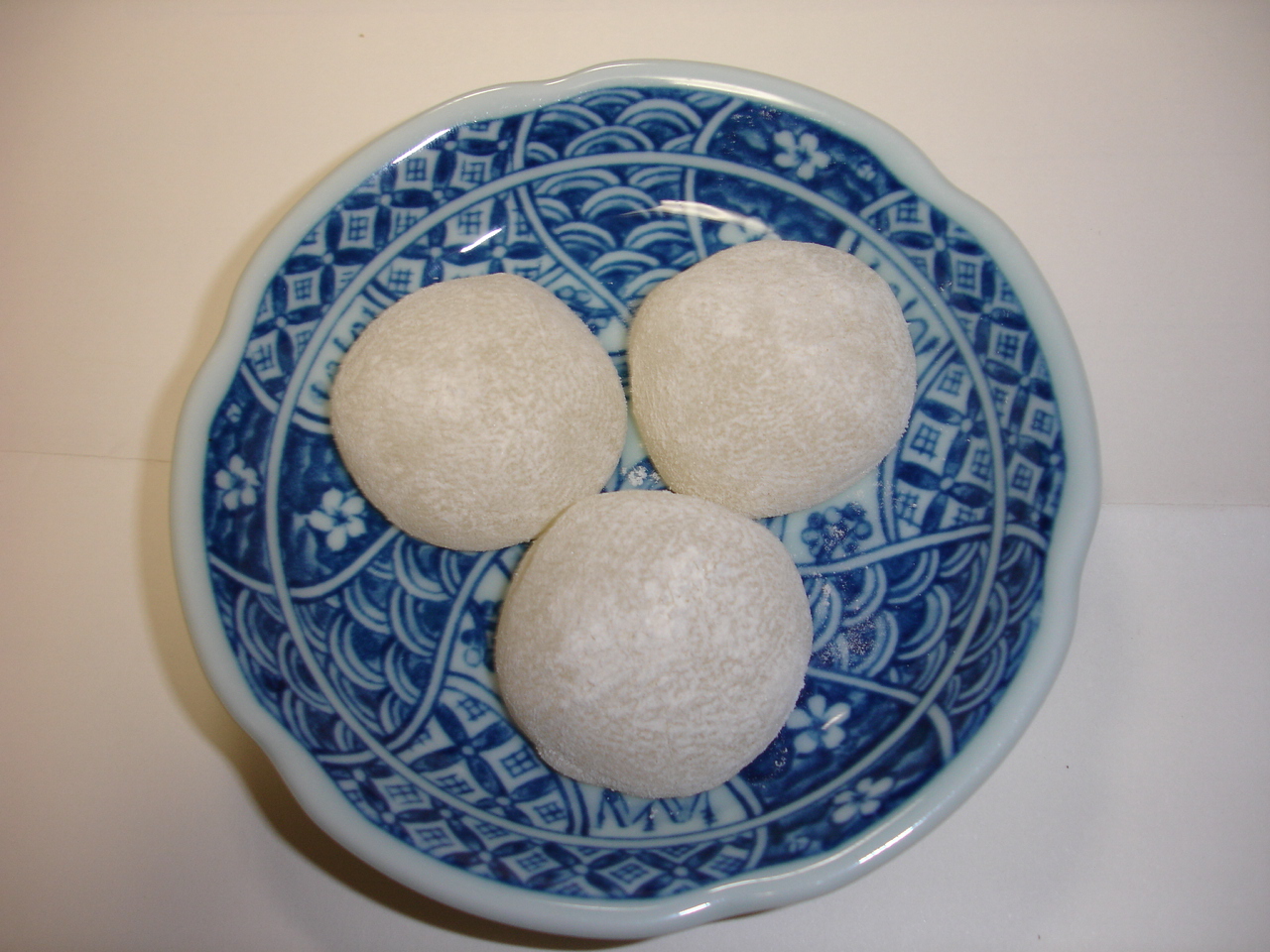
Little knownKibi dango (吉備団子) is Okayama's most iconic confection, a soft mochi-like sweet made from millet (kibi) flour, rice, suga…
 663highland / CC BY-SA 4.0
Ivy Square
Locally knownIvy Square (倉敷アイビースクエア) is a beautifully preserved Meiji-era cotton spinning mill transformed into a hotel, museum, and…