
本頁尚未翻譯,暫以英文顯示。
Yakushiji Temple
調查與撰寫 Hinato

Photo: くろふね / Wikimedia Commons (CC BY 3.0) · original
Yakushiji (薬師寺) is a UNESCO World Heritage temple founded in 680 AD, famous for its twin pagodas flanking the Main Hall — a symmetrical layout unique in Japanese temple architecture. The East Pagoda is the only original structure (rebuilt 730 AD after the temple's relocation from Fujiwara-kyo), making it one of Japan's few surviving 8th-century buildings. The pagoda's unusual three-story appearance (actually six stories with decorative roofs between floors) earned it the nickname 'frozen music' for its rhythmic, upward-flowing design.
The Main Hall (reconstructed 1976) houses the Yakushi Triad — the Yakushi Nyorai (Medicine Buddha) flanked by Nikko and Gakko Bosatsu, three bronze statues cast in 697 AD and designated National Treasures. The Yakushi Buddha's mission is healing physical and spiritual suffering; devotees pray here for recovery from illness. The statues retain traces of original gold gilding. The temple's Genjo Sanzoin hall displays vivid murals by contemporary Nihonga painter Hirayama Ikuo, depicting the journey of the monk Xuanzang along the Silk Road — a modern artistic addition to the ancient temple complex.
Yakushiji's twin-pagoda layout, rare enough today to feel like a deliberate architectural statement, actually reflected a broader continental influence on early Japanese temple design, as Nara-period builders adapted layouts and proportions first developed on the Asian mainland to local materials and construction methods. That only one of the two original pagodas survived intact into the modern era, while its twin was rebuilt in the twentieth century to restore the temple's symmetrical composition, means visitors today see both an authentic eighth-century structure and a careful, historically informed recreation standing side by side — a juxtaposition that invites close comparison of weathering, timber color, and subtle differences in proportion between old and new. The temple's continued active use as a place of worship, rather than a purely preserved monument, also shapes the visitor experience; ceremonies, chanting, and incense are part of an ordinary day at Yakushiji rather than special events staged for tourists, and visitors arriving early in the morning are more likely to encounter monks going about routine temple duties than at more heavily touristed sites closer to Nara Park.
基本資訊
營業時間
8:30 AM – 5:00 PM (last entry 4:30 PM)
公休: Open year-round
門票
¥1,100 (includes main hall, Genjo Sanzoin hall, East Pagoda)
最佳季節
Year-round | Spring (late March–April, cherry blossoms on grounds) | Autumn (November, maple foliage)
建議停留
60–90 minutes | 2.5–3 hours combined with Toshodaiji Temple (800m north, 10-min walk)
如何前往
交通資訊
在地私房情報
鄰近景點
距離Yakushiji Temple最近的私房景點,依直線距離排序。
 663highland / CC BY 2.5
Toshodaiji Temple
Well knownWhen the Chinese monk Jianzhen finally reached Japan in 754 AD after five shipwrecks, pirate attacks, and twelve years a…
 Kyu3a / CC BY-SA 4.0
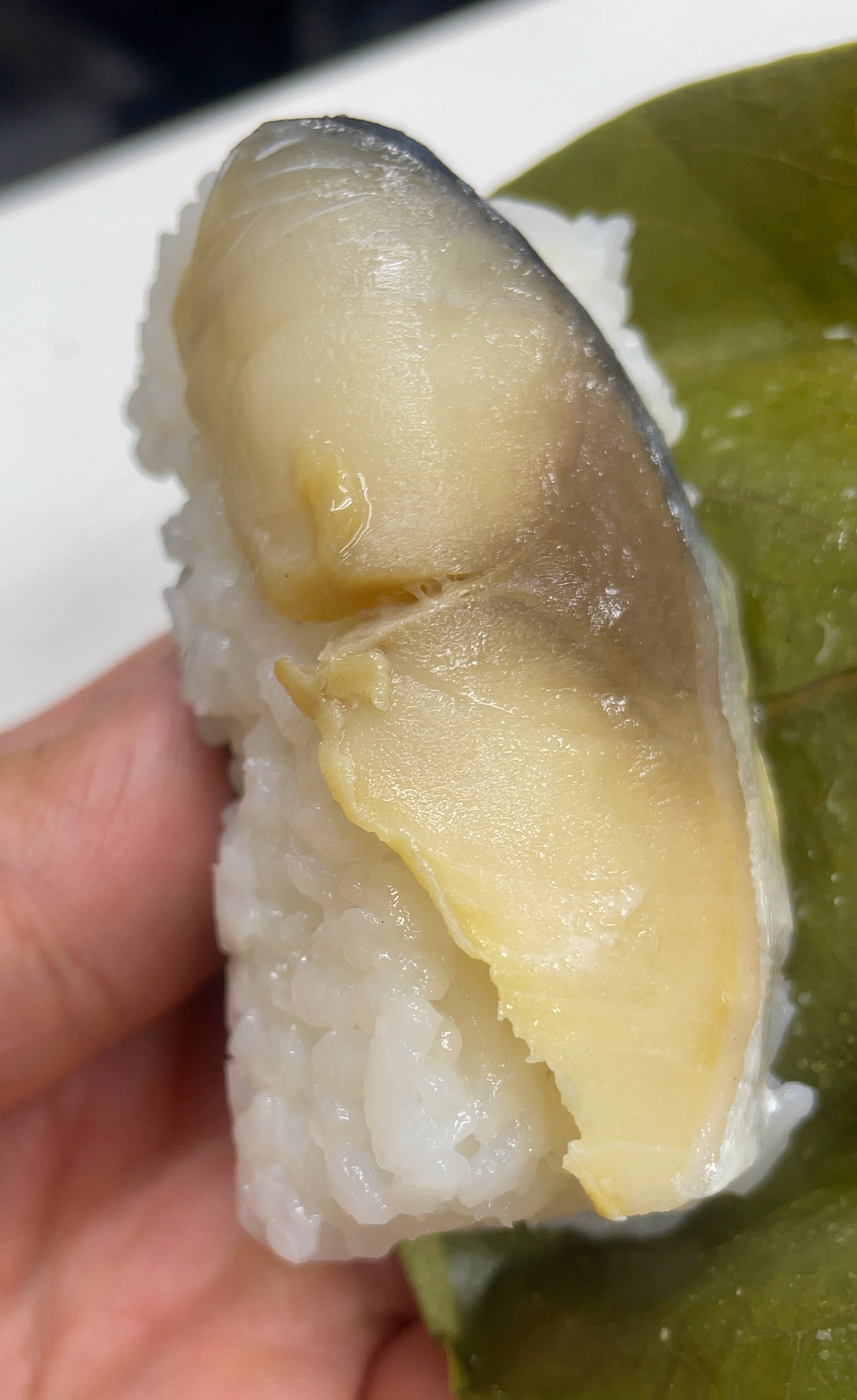
Kakinoha-zushi
Locally knownKakinoha-zushi (柿の葉寿司) is Nara's signature pressed sushi: vinegared rice topped with mackerel, salmon, or sea bream, wra…
 daniel julià lundgren from barcelona, catalonia / CC BY-SA 2.0
Narazuke Pickles
Locally knownNarazuke (奈良漬) are vegetables pickled in sake kasu (酒粕, sake lees — the fermented rice solids left after sake brewing),…
Nara Sake
Locally knownNara is the birthplace of sake brewing's key innovations — monks at Shoryakuji Temple (菩提山正暦寺) invented the bodaimoto me…
 示意插圖(非實景照片)
Nara Sumi Ink & Fude Brushes
Locally knownNara produces 90% of Japan's traditional sumi ink (墨, solid ink sticks) and is a major center for fude (筆, calligraphy b…
 示意插圖(非實景照片)
Day Trip to Nara
Locally knownNara, Japan's capital from 710–794 CE, is from Osaka by train and offers one of Japan's best day trips. The city's main…
更多奈良縣的景點
 くろふね / CC BY 3.0
Nara National Museum
Locally knownNara National Museum (奈良国立博物館) is Japan's premier museum for Buddhist art, housing over 2,000 Buddhist sculptures, paint…
Asuka-dera Temple
Little knownAsuka-dera (飛鳥寺) was Japan's first full-scale Buddhist temple, founded in 596 AD when Buddhism was still new to the arch…
 示意插圖(非實景照片)
Nara Hotel
Locally knownThe Nara Hotel opened in 1909 when the Meiji government decided Japan needed Western-style luxury hotels to host foreign…