
本頁尚未翻譯,暫以英文顯示。
Hiroshima Castle
調查與撰寫 Hinato

Photo: そらみみ / Wikimedia Commons (CC BY-SA 4.0) · original
Hiroshima Castle (広島城), nicknamed 'Carp Castle' (鯉城, Rijō) for the carp that once swam in its moats, is a reconstructed five-story castle in central Hiroshima, originally built in 1589 by feudal lord Mori Terumoto. The castle served as the administrative and military center of Aki Province (modern Hiroshima) until the Meiji Restoration (1868), and during World War II, it housed the Imperial General Headquarters. The original castle was destroyed by the atomic bomb in 1945 — located 1km from the hypocenter, it was obliterated instantly, with only stone foundations remaining.
The current structure is a 1958 concrete reconstruction faithfully replicating the original's five-story exterior with white walls, dark wooden accents, and elegant curved rooflines. The interior houses a museum documenting Hiroshima's feudal history, samurai culture, and castle architecture, with exhibits on Mori clan governance, Edo-period city life, and wartime history. The top floor observation deck offers 360° views of Hiroshima City, Peace Memorial Park, and the Seto Inland Sea. The castle grounds feature original stone walls (surviving the atomic bomb), two reconstructed turrets, and Hiroshima Gokoku Shrine — a Shinto shrine honoring war dead. Cherry blossoms (late March–early April) transform the grounds into a hanami spot, with 370 cherry trees creating a pink canopy over moats and pathways.
基本資訊
營業時間
9:00 AM – 6:00 PM (March–November) | 9:00 AM – 5:00 PM (December–February)
公休: Closed December 29–31
門票
¥370 (adults, includes museum) | Castle grounds: Free
最佳季節
Late March–early April (cherry blossoms, 370 trees, evening illuminations) | Year-round for castle and museum
建議停留
60 minutes
如何前往
交通資訊
在地私房情報
鄰近景點
距離Hiroshima Castle最近的私房景點,依直線距離排序。
 Yoshio Kohara / CC BY 3.0
Shukkei-en Garden
Locally knownShukkei-en Garden (縮景園, 'shrunken-scenery garden') is a traditional Japanese stroll garden in central Hiroshima, designe…
 Jakub Hałun / CC BY 4.0
Hiroshima Peace Memorial Park
Well knownWalk through Hiroshima Peace Memorial Park (広島平和記念公園) on an August morning, and you'll notice the cicadas go silent at 8…
 Yoshio Kohara / CC BY 3.0
Atomic Bomb Dome
FamousThe Atomic Bomb Dome (原爆ドーム, Genbaku Dome), officially the Hiroshima Peace Memorial, is the skeletal remnant of the Hiro…
 ノボホショコロトソ / CC BY 4.0
Hiroshima-Style Okonomiyaki
Well knownHiroshima-style okonomiyaki (広島風お好み焼き) is the prefecture's signature comfort food — a multi-layered savory pancake built…
 そらみみ / CC BY-SA 4.0
Hiroshima Peace Memorial Museum
Locally knownThe Hiroshima Peace Memorial Museum (広島平和記念資料館) presents the most comprehensive and emotionally devastating documentatio…
 bryan... / CC BY 2.0
Hiroshima Tsukemen
Locally knownHiroshima tsukemen has almost nothing in common with the thick-broth dipping noodles served elsewhere in Japan. The nood…
更多廣島縣的景點
 示意插圖(非實景照片)
Joge White Wall Street
Little knownJoge sat on the Sekishu road between the Sea of Japan side and the Inland Sea, and in the Edo period it was made a shogu…
 Lumi iori / CC BY-SA 3.0
Saijo Sakagura Street
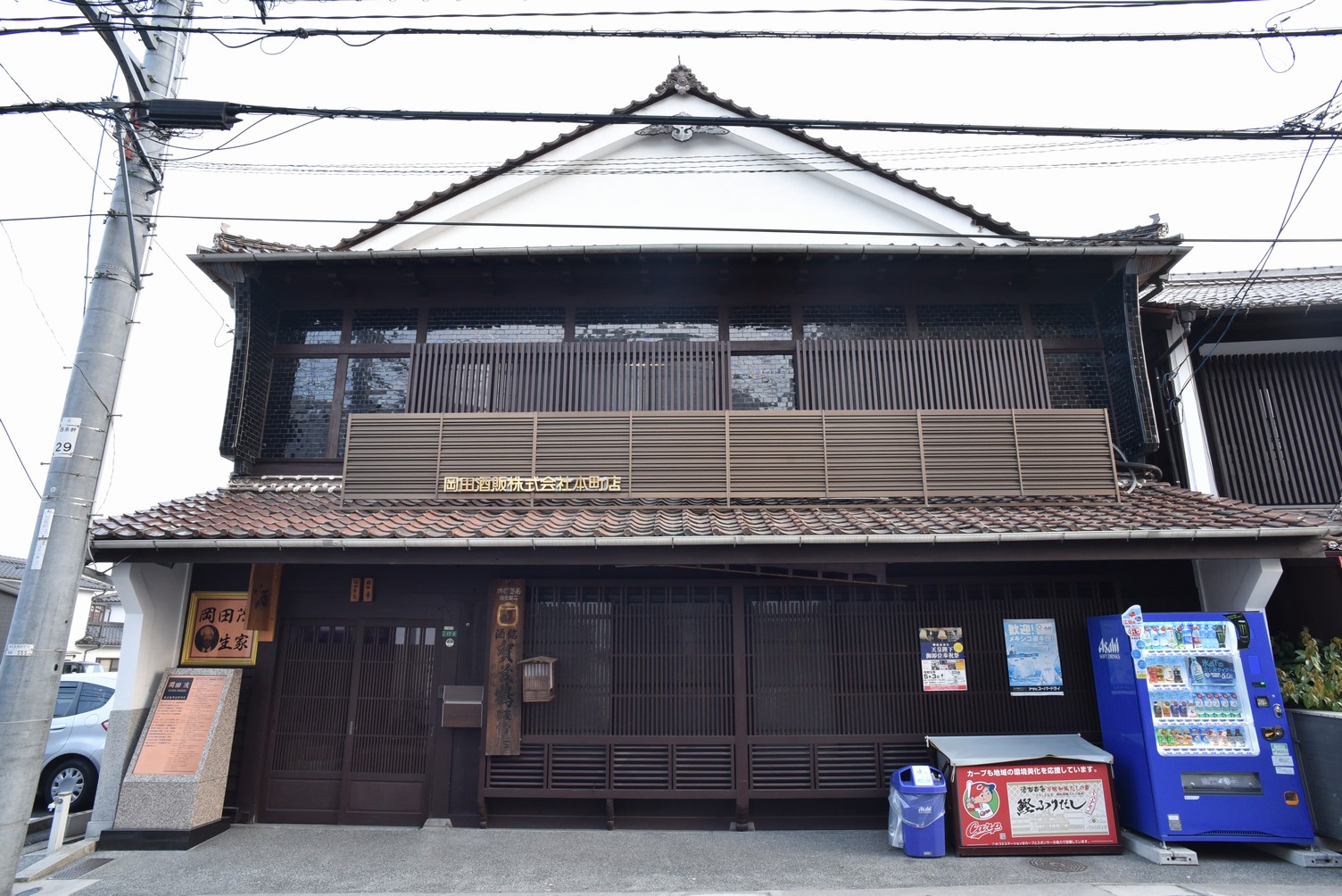
Little knownSaijo is named alongside Fushimi in Kyoto and Nada in Hyogo as one of the three great sake districts of Japan, and unlik…
 世羅人 / CC BY-SA 4.0
Sera Kogen Flower Farms
Little knownThe Sera plateau sits at around four hundred metres in the middle of Hiroshima, on soil that suits flowers better than m…