
Cette page n'a pas encore été traduite et s'affiche en anglais.
Ureshino Tea
Recherche et rédaction Hinato
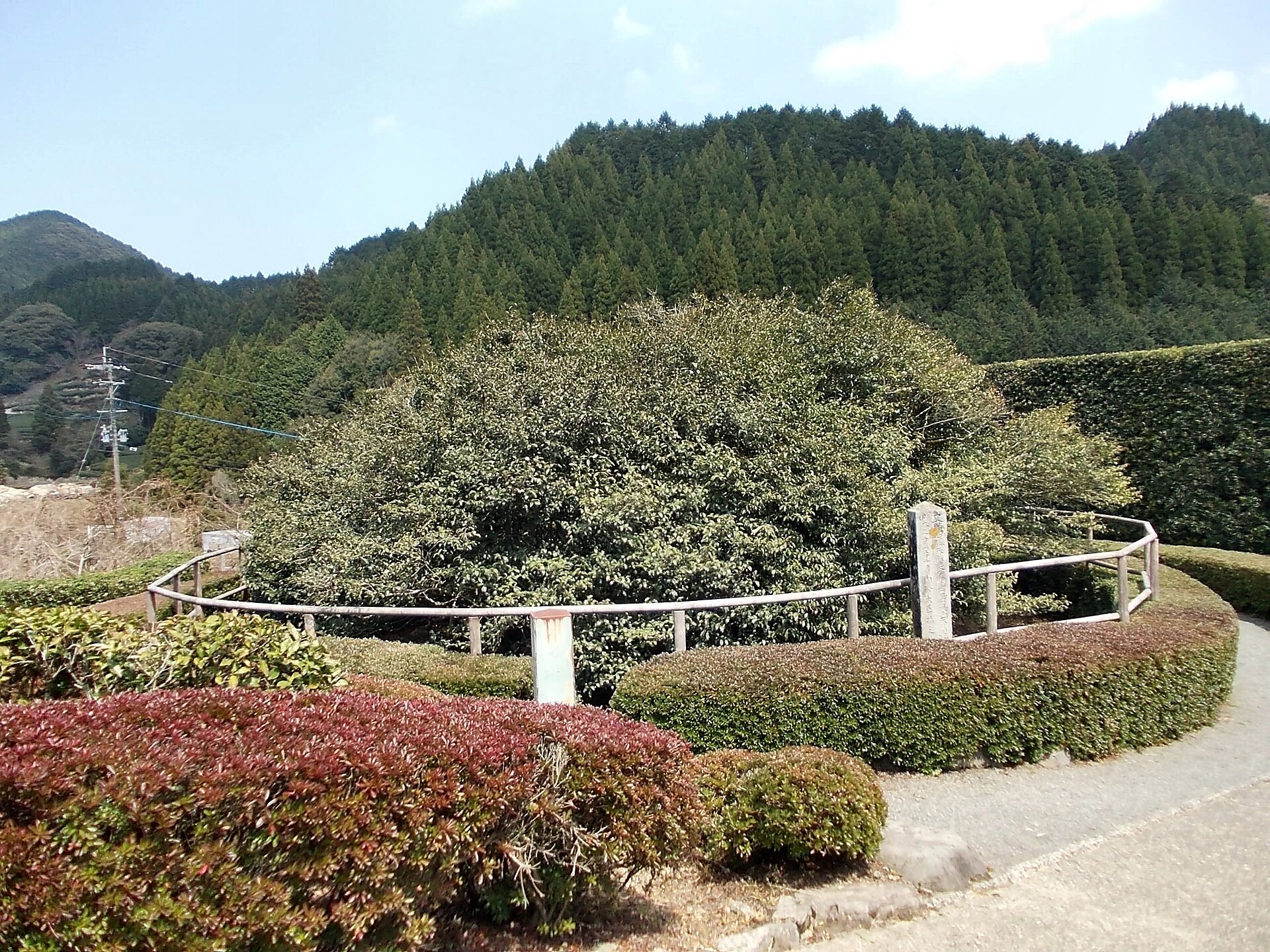
Photo: STA3816 / Wikimedia Commons (CC BY-SA 3.0) · original
Ureshino-cha is the collective name for teas grown in the mineral-rich hills around Ureshino Onsen — a tradition established in 1504 when a Buddhist monk brought seeds from Kyoto and found that the hot-spring-influenced soil produced an unusually deep, sweet flavor. Modern Ureshino tea production emphasizes tamaryokucha, a lightly steamed green tea with a distinctive roasted aroma unlike the grassy freshness of Shizuoka teas. The Ureshino Tea Cultural Museum and adjacent tea gardens offer seasonal harvest experiences.
Informations essentielles
Horaires d'ouverture
Varies by restaurant — confirm before visiting
Fermé: Open year-round (check seasonal hours)
Tarif d'entrée
Tea Cultural Museum: ¥200 | Tea harvest experience: ¥2,500 (advance booking, May only)
Meilleure saison
May 1–15 for first-flush (ichiban-cha) harvest | Year-round for museum and tea garden walks
Durée de visite
1.5–2 hours (museum + garden) | Half day for harvest experience
Comment s'y rendre
Informations d'accès
Guide d'initié
Lieux à proximité
Les lieux secrets les plus proches de Ureshino Tea, par distance à vol d'oiseau.
Ureshino Onsen
Little knownUreshino Onsen is called 'bijin no yu' (beautiful woman's water) — the sodium bicarbonate-rich water has a slippery, sil…
Ureshino Onsen Ryokan Night Walk
Little knownUreshino's 30 ryokan are concentrated within 800 meters of riverside corridor — close enough that walking the onsen town…
Ureshino Shochu Distillery
Little knownUreshino City and its surrounding hills have been producing imo-jochu (sweet potato shochu) since the Edo period, using…
Hiratani Valley
Little knownHiratani Valley, in the mountains between Ureshino and Nagasaki, follows the upper Hiratani River through a narrow gorge…
Takeo Onsen Motoyu
Little knownMotoyu, the central public bath of Takeo Onsen, occupies a building constructed in 1915 in the style of a Noh stage — a…
Takeo Shrine 3,000-Year-Old Camphor Tree
Locally knownWithin the grounds of Takeo Jinja, a camphor tree estimated at 3,000 years old stands 30 meters tall with a circumferenc…
Plus de lieux à Préfecture de Saga
Sefuri-san Mountain
Little knownSefurisan (1,077m), on the border between Saga and Fukuoka prefectures, is the highest peak in northern Kyushu and carri…
 nesnad / CC BY 3.0
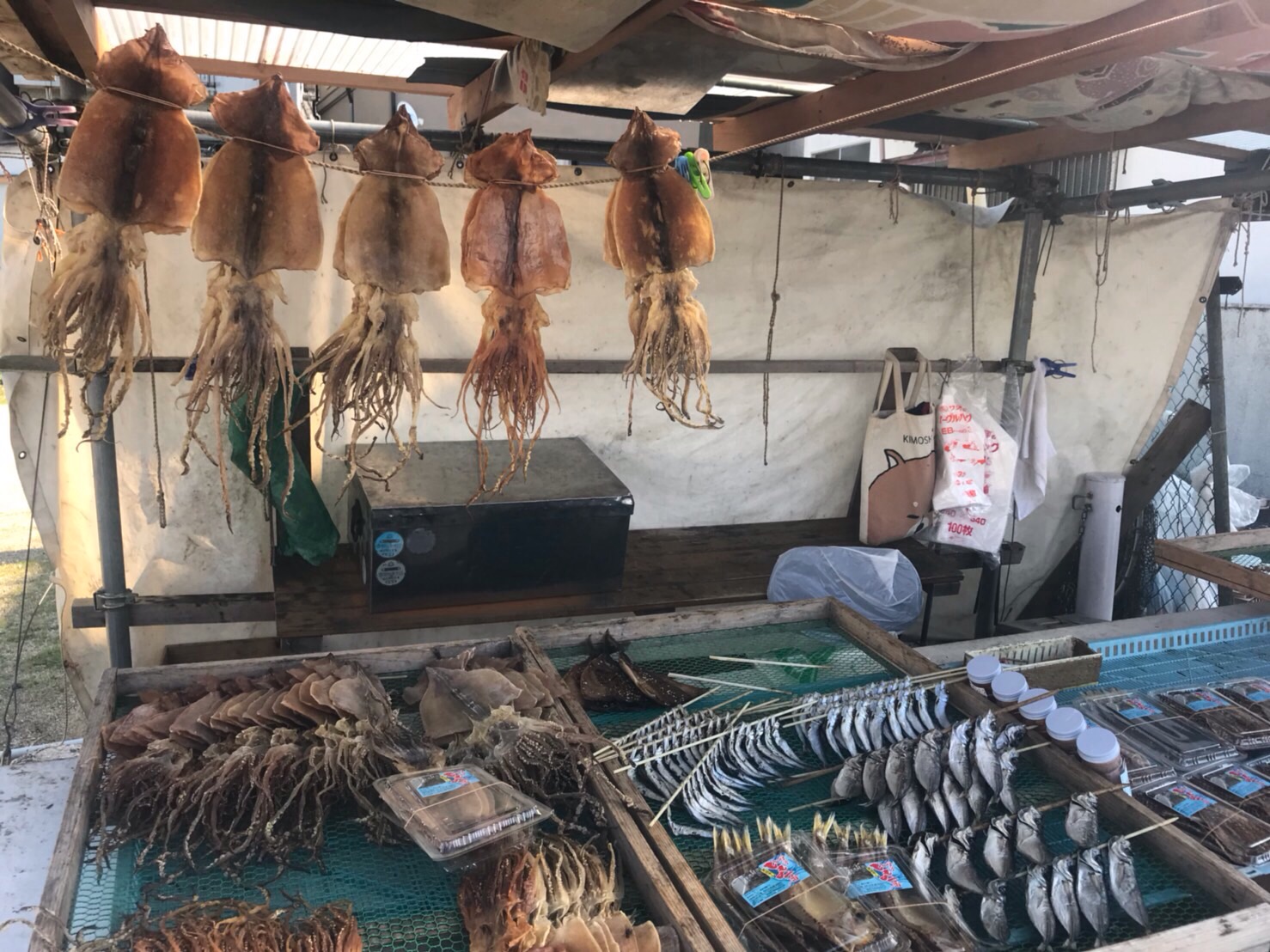
Yobuko Morning Market
Little knownYobuko is a tiny fishing port at the northern tip of the Higashimatsuura Peninsula, accessible only by car from Karatsu,…
 そらみみ / CC BY-SA 4.0
Arita Porcelain
Little knownArita is the birthplace of Japanese porcelain — in 1616, the Korean potter Yi Sam-pyeong discovered white clay suitable…